


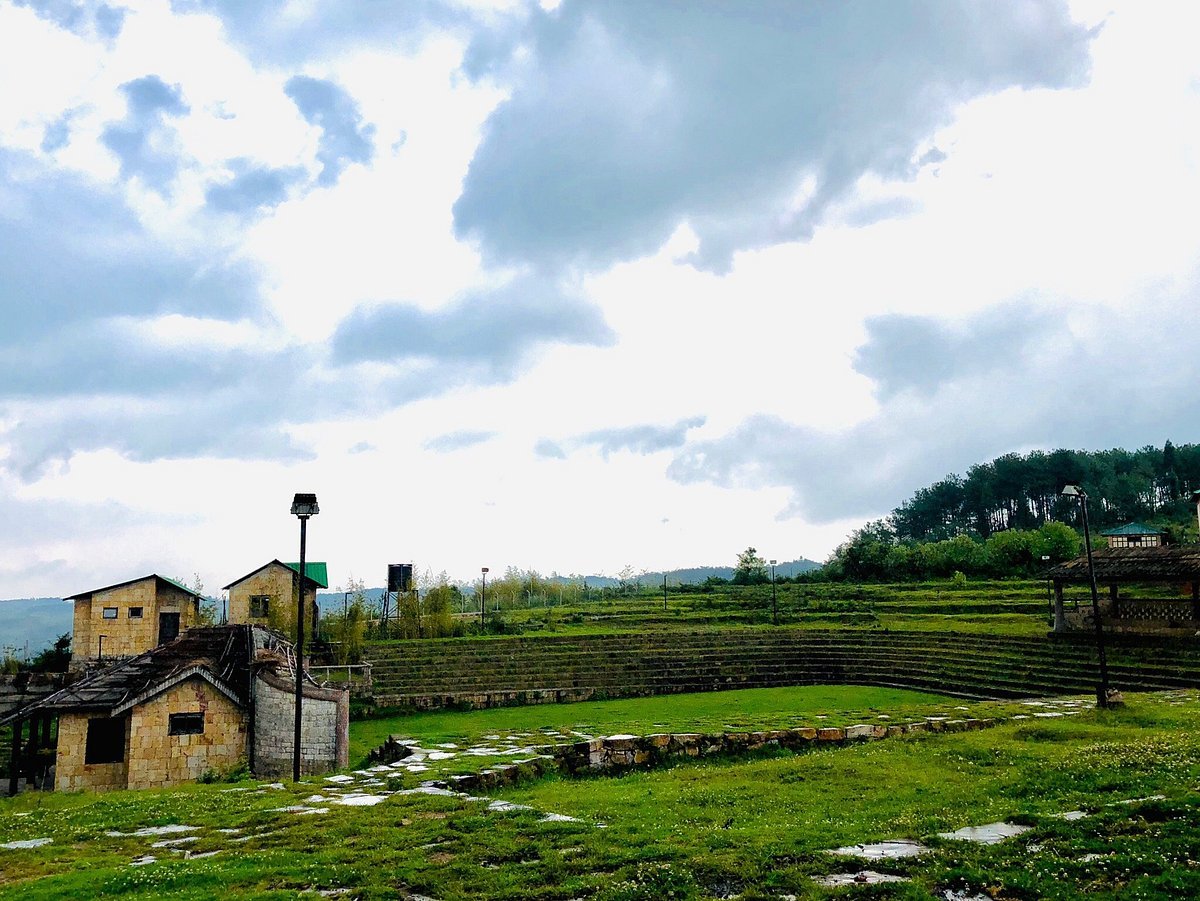
Khasi Heritage Village upgrades at Mawphlang are gaining attention as Meghalaya continues to develop tourism infrastructure while protecting the cultural and ecological character of the Khasi Hills. The Mawphlang area combines the Khasi Heritage Village with the renowned Sacred Grove, creating an important setting for cultural tourism and nature-based experiences.
The focus on better infrastructure comes as Meghalaya expands community-led tourism and destination development. However, the available records indicate that development around Mawphlang involves several separate initiatives rather than one newly announced single protection project. Therefore, structural improvements should be understood within the wider effort to balance tourism access, heritage conservation and community participation.
Arunachal Pradesh: Papum Pare Hosts Recipe Competition to Promote Nutrition During Poshan Maah 2026
Khasi Heritage Village Upgrades Support Cultural Tourism
The Khasi Heritage Village at Mawphlang was developed by the Khasi Hills Autonomous District Council as a heritage initiative designed to preserve traditional Khasi architecture, customs and social practices. The village occupies about three acres and contains 20 plots featuring traditional structures made from stone, wood and bamboo using traditional preservation and treatment methods.
Moreover, the site includes an open amphitheatre with a planned seating capacity of about 1,400 people. Traditional structures represent different parts of the Khasi Hills, giving visitors an opportunity to experience elements of local architecture and community life in one location. Consequently, the heritage village serves both cultural and tourism purposes.
The KHADC has also sought arrangements for the operation and maintenance of the Heritage Village. In an Expression of Interest issued in 2024, the council described the project as an effort to protect, preserve and conserve Khasi heritage while attracting visitors and generating sustainable revenue.
Meanwhile, the wider Mawphlang destination continues to receive attention from Meghalaya’s tourism authorities. The state Tourism Department lists comprehensive tourism development at Mawphlang among its destination-development initiatives. This reflects a broader strategy to improve visitor experiences without separating tourism growth from local culture and environmental responsibility.
Sacred Forest Protection Remains Central to Mawphlang
Mawphlang’s tourism importance cannot be separated from its Sacred Grove. Meghalaya Tourism describes the forest as one of the state’s most celebrated sacred groves, protected through Khasi customs and traditions over generations. Visitors are expected not to remove anything from the forest, including stones, twigs or other natural materials.
Furthermore, the Sacred Grove demonstrates a distinctive community-based conservation system. Religious beliefs, customary practices and local stewardship have helped protect the forest and its biodiversity. The approach differs from conventional tourism sites because the primary objective is not to transform the forest into a heavily developed attraction.
The government-backed Incredible India tourism platform similarly highlights the ecological and cultural significance of Mawphlang’s sacred groves. It also notes the role of the Mawphlang Sustainable Tourism Society in protecting the environment, supporting tourists and involving local communities. The society has trained guides and promotes community participation through tourism-related activities.
Additionally, recent reporting has highlighted the relationship between Mawphlang’s forests, water resources and community conservation. The ecological role of the sacred forest therefore extends beyond tourism. Protecting the landscape also helps maintain an environment that supports surrounding communities and natural water systems.
Structural Improvements Need a Sensitive Approach
Tourism infrastructure around a sacred and environmentally sensitive destination requires careful planning. Retaining walls, pathways, fencing, visitor facilities and other structures can improve safety and accessibility, but their design must respect the surrounding landscape.
In fact, Meghalaya Tourism’s current development notices show that the state is undertaking infrastructure projects across East Khasi Hills and other tourism destinations. These include pathways, fencing, railings, viewpoints, retaining walls and visitor facilities at different locations. Such projects indicate a wider push toward improving basic tourism infrastructure while making destinations more accessible.
However, these projects should not automatically be described as construction inside the Sacred Grove itself. The available official information distinguishes the heritage village, the sacred forest and surrounding tourism infrastructure. Therefore, reporting on Khasi Heritage Village upgrades should avoid suggesting that major construction has transformed or physically altered the protected forest unless a specific project document confirms it.
This distinction is particularly important because Mawphlang’s appeal comes from its relatively natural character. The official tourism guidance encourages visitors to experience the grove with respect for its customary restrictions. Consequently, infrastructure planning must complement rather than undermine the traditional conservation system.
Community Tourism Could Strengthen Mawphlang’s Future
Meghalaya’s tourism policy increasingly places communities and local entrepreneurs at the centre of destination development. The state’s 2026-27 Budget allocated ₹162 crore for tourism infrastructure, destination development and community tourism. The budget specifically described communities as the core of Meghalaya’s tourism model.
Therefore, Mawphlang’s heritage infrastructure has significance beyond buildings and visitor facilities. Well-managed tourism can create opportunities for local guides, artisans, cultural performers, homestay operators and other community-based businesses while maintaining local control over cultural presentation.
The heritage village can also complement the Sacred Grove by giving visitors a structured cultural experience outside the forest itself. Tourists can learn about Khasi architecture, traditional lifestyles and cultural practices without placing unnecessary pressure on the ecological environment.
Furthermore, sustainable tourism can encourage visitors to spend more time in the local area rather than treating Mawphlang as only a short stop. This approach can distribute tourism income among communities and create stronger incentives for long-term conservation.
The challenge, however, remains balancing visitor numbers with environmental capacity. Mawphlang’s significance comes precisely from the relationship between people, culture and nature. Consequently, future infrastructure should prioritise low-impact design, proper maintenance, visitor management and community participation.
Conclusion
Khasi Heritage Village upgrades reflect the wider effort to strengthen Mawphlang as a cultural and eco-tourism destination while respecting its environmental character. The Heritage Village already provides a platform for traditional Khasi architecture and cultural interpretation, while the Sacred Grove remains protected through longstanding community customs.
Moreover, Meghalaya’s broader community-tourism strategy creates an opportunity to improve visitor facilities without turning Mawphlang into a conventional commercial destination. The most sustainable approach will therefore combine careful structural planning, cultural preservation, environmental protection and meaningful local participation.
FAQs
What are the Khasi Heritage Village upgrades at Mawphlang?
The upgrades form part of wider tourism and heritage-development efforts around Mawphlang. Available records show ongoing attention to the Heritage Village, visitor infrastructure and community-led tourism rather than one single newly announced upgrade package.
Why is Mawphlang important for tourism?
Mawphlang combines Khasi cultural heritage with the internationally recognised Sacred Grove, traditional architecture, monoliths and nearby nature-based experiences.
What is special about the Mawphlang Sacred Grove?
The Sacred Grove is protected through Khasi customary traditions. Visitors are asked not to remove natural objects from the forest, helping preserve its ecological and cultural character.
Who developed the Khasi Heritage Village?
The Khasi Hills Autonomous District Council conceived and developed the Khasi Heritage Village as a project to preserve Khasi heritage, traditional customs and architecture while supporting sustainable tourism.
How can tourism development protect Mawphlang?
Tourism development can support Mawphlang by using low-impact infrastructure, maintaining visitor facilities, involving local communities and protecting the customary rules that safeguard the Sacred Grove.