


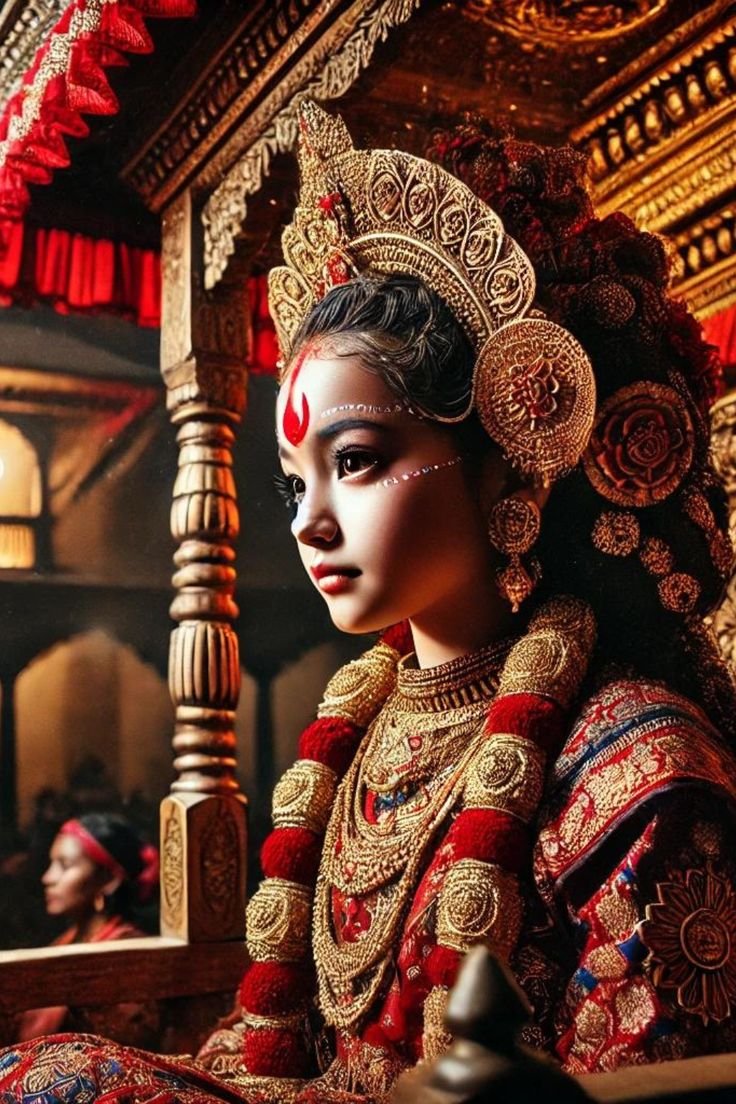
Kumari Puja Tripura 2025 unfolded with deep devotion and cultural grandeur in Ashabari, where a 7-year-old girl was worshipped as the living embodiment of Goddess Durga. The centuries-old tradition, rooted in Shakta philosophy, symbolizes purity, divine strength, and the sacred role of women in society. On this occasion, hundreds of devotees gathered at the temple premises, their prayers and chants filling the air as the young girl was adorned in red attire and offered flowers, fruits, and incense.
The ritual of Kumari Puja, celebrated during Durga Puja in several parts of India, holds special importance in Tripura, where it continues to be performed with immense reverence. By honoring a child as the manifestation of the goddess, the practice reinforces cultural continuity and spiritual values in a rapidly modernizing world. Kumari Puja Tripura 2025 not only preserved an ancient tradition but also drew national attention to the state’s vibrant heritage and religious devotion.
What is Kumari Puja?
Kumari Puja is an ancient Hindu ritual where a young girl, symbolizing purity and divinity, is worshipped as Goddess Durga. Practiced widely in eastern India, it remains central to Durga Puja traditions.
During Kumari Puja Tripura 2025, the ritual emphasized respect for the feminine force, reminding society of the spiritual and cultural importance of women.
The Ceremony at Ashabari, Tripura
Selection of the Kumari
Organizers selected Swarnamita Chakraborty, aged seven, to represent the goddess. Dressed in red attire, adorned with flowers and traditional ornaments, she entered the ashram to devotional chants.
Worship Rituals
Priests performed the rituals with Vedic hymns and offerings of flowers, sweets, and incense. Devotees bowed before the girl, treating her as the goddess herself. The chanting of mantras filled the air, creating a deeply spiritual atmosphere.
Community Participation
Hundreds of devotees from across Tripura attended. Many families brought children to witness the ritual, hoping to pass down traditions to the next generation.
Significance of Kumari Puja Tripura 2025
The Kumari Puja Tripura 2025 celebrations reflected the state’s devotion to Goddess Durga and the eternal power of the feminine. Symbolizing purity, strength, and fearlessness, Kumari Puja reminds people of the importance of honoring women in society.
This ritual also strengthens community bonds, as families, priests, and devotees unite to celebrate culture and faith together.
Historical Roots of Kumari Puja
Kumari Puja dates back to ancient times, practiced in Bengal, Assam, Odisha, and Tripura. Swami Vivekananda popularized the ritual when he performed Kumari Puja at Belur Math in the late 19th century.
Today, the tradition thrives in Tripura, particularly in Ashabari, where thousands gather annually to witness the symbolic worship of the divine feminine.
Voices from the Event
Many devotees described Kumari Puja as a life-changing experience.
“Worshipping the Kumari is like worshipping Durga herself. It reminds us that divinity exists in every girl,” said a priest at the ashram.
Parents also expressed pride in passing down these traditions.
“Bringing my daughter here helps her connect with our culture. She sees how we respect the feminine divine,” shared a mother from Agartala.
READ MORE: Tripura Citizens Raise Concerns Over Protection of Cultural Heritage
The Kumari Puja Tripura 2025 celebrations highlight the state’s cultural depth and spiritual heritage. As devotees continue this sacred tradition, it becomes vital to preserve and share it with younger generations.
- Participate in local puja rituals to strengthen cultural ties.
- Support community organizations that safeguard traditions.
- Share knowledge about Kumari Puja to keep the practice alive.
By honoring rituals like Kumari Puja, we not only celebrate faith but also uphold respect for women, culture, and unity in society.