


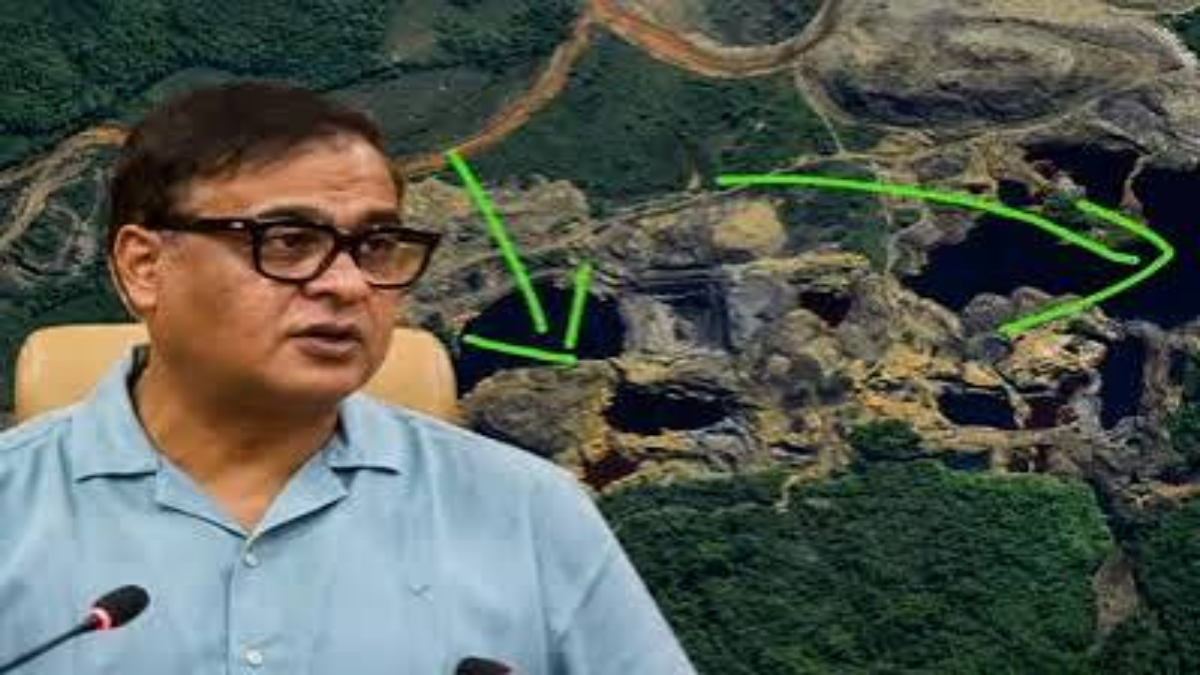
Illegal quarrying in Hojai has come under renewed scrutiny after Assam Chief Minister Himanta Biswa Sarma questioned the accountability of forest officials over alleged unauthorised mining activities. His reported warning has raised concerns about enforcement failures and the monitoring of quarry operations.
The issue has gained attention amid allegations of irregularities at stone quarries in Assam. Questions have also emerged over whether officials responsible for protecting forest land acted promptly on complaints about suspected violations.
Illegal quarrying in Hojai raises questions over accountability
The controversy centres on alleged quarrying activities in and around Hojai and the wider Nagaon Forest Division. The Chief Minister’s reported remarks, questioning why a Divisional Forest Officer (DFO) would not know about activities known to the chief minister, highlight concerns about the flow of information within the administration.
A DFO oversees forest management and enforcement within the officer’s jurisdiction. The role includes monitoring forest resources, responding to complaints and ensuring compliance with applicable forest regulations.
However, allegations of unauthorised mining raise questions about how effectively these responsibilities are being carried out. Authorities must establish whether quarry operators possess the required approvals and whether extraction activities remain within permitted boundaries.
The reported warning also places greater attention on the responsibility of field-level officials. Effective enforcement requires regular inspections, accurate records and timely action when violations come to light.
Illegal quarrying in Hojai faces fresh scrutiny
The issue has attracted attention amid a wider controversy over alleged illegal mining in Assam. A report published by Northeast Now on October 16, 2026, described concerns over quarry inspections, a reported note linked to the Chief Minister’s Office and the reassignment of a senior official. These developments have intensified questions about the handling of complaints involving quarry operations.
According to the report, a joint inspection team examined stone quarries in the Nagaon Forest Division on October 13. The reported inspection findings raised concerns about possible irregularities involving forest land.
However, allegations and reported findings must be assessed against official records and the applicable legal requirements. Any determination of wrongdoing requires evidence and a proper investigation.
The controversy also underlines the need for transparency in inspections. Publishing findings, clarifying the status of permits and explaining enforcement decisions can help establish whether authorities have addressed complaints adequately.
Environmental risks of unauthorised quarry operations
Illegal quarrying can cause lasting damage to forests, hillsides and nearby water sources. Unregulated stone extraction may remove vegetation, accelerate soil erosion and disturb natural drainage systems.
Moreover, mining near water sources can affect communities that depend on local supplies for drinking, agriculture and other daily needs. Heavy vehicles carrying extracted material may also increase dust, noise and pressure on rural roads.
These concerns are relevant to Hojai, where complaints about stone extraction have previously reached environmental authorities.
In a separate case involving Bheluguri Stone Mahal under Doboka police station, the National Green Tribunal examined allegations of mining without the necessary clearances. The complaint, filed in 2025, raised concerns about the potential impact on a water source used by downstream residents.
The tribunal’s proceedings highlighted the importance of regulatory compliance and environmental accountability. They also showed why authorities must distinguish between permitted operations and extraction that lacks required approvals.
Illegal quarrying in Hojai and the legal requirements
Stone quarrying in Assam must comply with applicable mining, environmental and forest regulations. Depending on the location and nature of an operation, authorities may require environmental clearance, forest clearance, mining permissions and other statutory approvals.
Operating without the necessary permissions can lead to legal action, penalties and other enforcement measures. Authorities must verify each site’s approval status before determining whether an operation is unlawful.
Furthermore, forest officials and mining authorities need to coordinate their inspections. A quarry may raise concerns involving several departments, making information-sharing essential for effective oversight.
Clear documentation can also help prevent disputes. Inspection reports, permit records, photographs and details of enforcement action allow authorities to assess complaints and establish responsibility.
Where violations are confirmed, officials must take action in accordance with the law. Where allegations remain unverified, authorities should communicate the findings clearly and avoid treating accusations as established facts.
Accountability will shape the next steps
The controversy surrounding illegal quarrying in Hojai has placed administrative accountability and forest protection under the spotlight. The central question is whether monitoring systems can detect suspected violations early and ensure that complaints receive a timely response.
The reported warning from Himanta Biswa Sarma reinforces the importance of responsibility at every level of government. However, effective action will depend on verifiable evidence, transparent investigations and consistent enforcement rather than statements alone.
Authorities will need to clarify the findings of inspections, establish whether quarry operators complied with the law and explain any action taken against confirmed violations.
Ultimately, protecting Assam’s forests requires more than occasional inspections. Regular monitoring, coordination between departments and accountability for lapses are essential to prevent unauthorised extraction and safeguard local ecosystems.
The handling of the Hojai quarry allegations will therefore remain important in assessing how effectively the state addresses suspected mining violations and protects its natural resources.
Agartala Durgabari Temple Performs Maha Nabami Animal Sacrifice During Durga Puja