


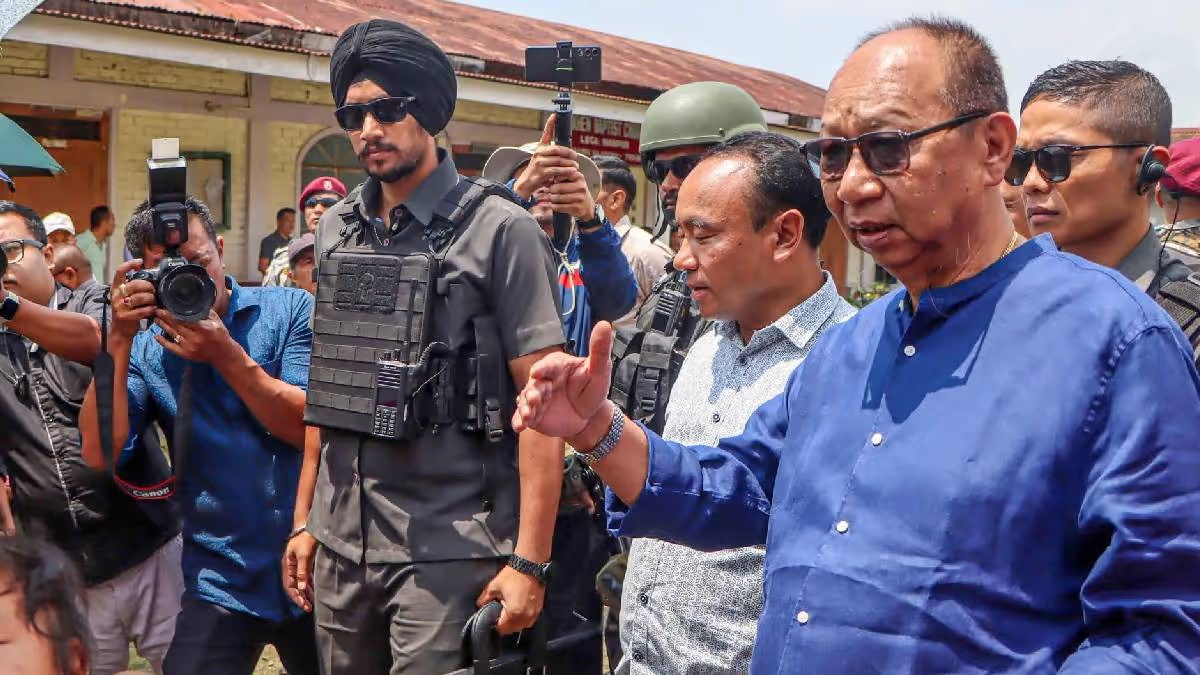
The Makhan Camp Tension has emerged as a major concern after the deaths of six Liangmai men affected plans for Chief Minister-led relief visits in the area. The development has added to tensions surrounding the camp and raised questions about the administration’s approach to relief and outreach amid heightened sensitivities.
Sivasagar Floods: 50 Out of 95 Deaths Reported in One District
The situation involves both humanitarian concerns and security considerations. Moreover, the deaths have created a difficult environment for political and administrative visits, particularly when authorities seek to meet affected communities and assess relief requirements.
The reported disruption highlights the challenges officials can face when carrying out relief activities in areas affected by conflict or community tensions. However, the available information does not establish that the deaths alone directly caused the suspension or cancellation of any specific Chief Minister relief visit.
Makhan Camp Tension Raises Security Concerns
The Makhan Camp Tension has placed security considerations at the centre of attention following the deaths of six Liangmai men.
Authorities must consider the safety of officials, relief workers, and local residents when tensions remain high. Furthermore, sensitive situations can require additional coordination between civil administration and security agencies before senior officials enter affected areas.
Such precautions can influence the timing and format of relief visits.
However, the available information does not specify the security assessment conducted before any planned visit.
Makhan Camp Tension Affects Relief Outreach
The Makhan Camp Tension has created challenges for direct administrative outreach.
Chief Ministerial visits can allow senior officials to meet residents, review relief arrangements, and understand local concerns. Additionally, such visits can demonstrate government attention to communities affected by a crisis.
When security conditions remain uncertain, authorities may need to reconsider the timing or format of these engagements.
However, the available information does not specify whether any visit was formally cancelled, postponed, or relocated.
Makhan Camp Tension Follows Deaths of Six Liangmai Men
The Makhan Camp Tension follows the reported deaths of six Liangmai men.
The incident has heightened sensitivities among affected communities and increased attention on the security situation around the camp. Moreover, deaths involving community members can create demands for accountability, protection, and humanitarian assistance.
Authorities may therefore face pressure to balance relief operations with broader security and administrative concerns.
However, the information provided does not establish the circumstances surrounding the six deaths.
Makhan Camp Tension Raises Humanitarian Concerns
The Makhan Camp Tension also highlights the humanitarian challenges facing residents in sensitive areas.
People affected by violence or displacement may require food, shelter, healthcare, and other forms of assistance. Furthermore, relief operations need to reach communities without creating additional security risks.
Maintaining access to humanitarian support can therefore become a key administrative priority.
However, the available information does not provide details about the number of people receiving relief at Makhan Camp.
Makhan Camp Tension Tests Administrative Coordination
The Makhan Camp Tension requires coordination between different levels of government.
Civil authorities, security agencies, local representatives, and relief teams may need to work together when conditions remain sensitive. Additionally, clear communication can help officials assess whether relief activities can proceed safely.
Effective coordination can reduce operational uncertainty.
However, the available information does not identify the specific agencies involved in managing the situation.
Makhan Camp Tension Could Delay Political Outreach
The Tension may affect the timing of political and administrative outreach in the affected area.
Senior officials often need secure access and suitable arrangements before visiting sensitive locations. Moreover, authorities may choose alternative methods of engagement when physical visits create additional risks.
Such adjustments can allow relief communication to continue despite security concerns.
However, the available information does not confirm the exact reason for any reported change to the Chief Minister’s visit plans.
Makhan Camp Tension Keeps Community Concerns in Focus
The Camp Tension has brought attention to the concerns of the Liangmai community and other residents affected by the situation.
Community engagement can help authorities understand local fears, humanitarian needs, and expectations. Furthermore, maintaining dialogue can support efforts to prevent further escalation.
Listening to affected residents can therefore remain important alongside security measures.
However, the available information does not provide details about any formal community consultation.
Makhan Camp Tension Highlights Need for Accurate Information
The Camp Tension also demonstrates the importance of verified information during sensitive situations.
Reports concerning deaths, security incidents, and government visits can spread quickly through social media and other channels. Additionally, unverified claims can increase anxiety and complicate efforts to maintain calm.
Authorities and media organisations therefore need to rely on confirmed information when reporting developments.
The circumstances surrounding the six deaths should consequently remain subject to official investigation and verification.
Makhan Camp Tension Requires Continued Monitoring
The Camp Tension may require continued monitoring as authorities assess security and humanitarian conditions.
Regular assessments can help officials determine whether relief teams can safely operate and whether senior leaders can visit affected communities. Moreover, monitoring can help identify emerging risks before they disrupt essential services.
A flexible response may therefore remain necessary.
However, the available information does not provide a timeline for when normal relief visits may resume.
Makhan Camp Tension Could Influence Relief Strategy
The Camp Tension could encourage authorities to review how they conduct relief outreach in sensitive areas.
Officials may consider smaller delegations, coordinated security arrangements, or alternative communication channels when direct visits become difficult. Furthermore, such measures can allow authorities to continue delivering assistance while reducing unnecessary risks.
Any change in strategy would depend on the evolving situation.
However, the available information does not confirm that authorities have adopted a new relief strategy.
Conclusion
The Makhan Camp Tension has intensified attention on security and humanitarian conditions following the reported deaths of six Liangmai men. The situation has created a sensitive environment for government outreach and raised questions about how officials can continue relief activities while maintaining safety.
Moreover, effective coordination, verified information, community engagement, and appropriate security planning remain important for any future administrative visits. However, the available information does not establish that the deaths directly caused a specific cancellation or postponement of a Chief Minister relief visit.
Overall, the Camp Tension highlights the difficulty of conducting relief and political outreach in areas affected by heightened community sensitivities. Authorities will need to balance humanitarian access, public safety, and transparent communication as the situation develops.
FAQs
1. What is the Makhan Camp Tension?
The Camp Tension refers to heightened concerns surrounding Makhan Camp following the reported deaths of six Liangmai men.
2. How many Liangmai men were reported killed?
The information provided states that six Liangmai men were killed.
3. Why are Chief Minister relief visits affected?
The situation may create security and administrative challenges for senior-level visits. However, the information provided does not confirm that the deaths directly caused a specific cancellation.
4. What humanitarian concerns are involved?
Affected communities may require continued access to shelter, food, healthcare, and other relief services.
5. What happens next?
Authorities are likely to assess security and humanitarian conditions before determining the appropriate approach to future relief visits.