


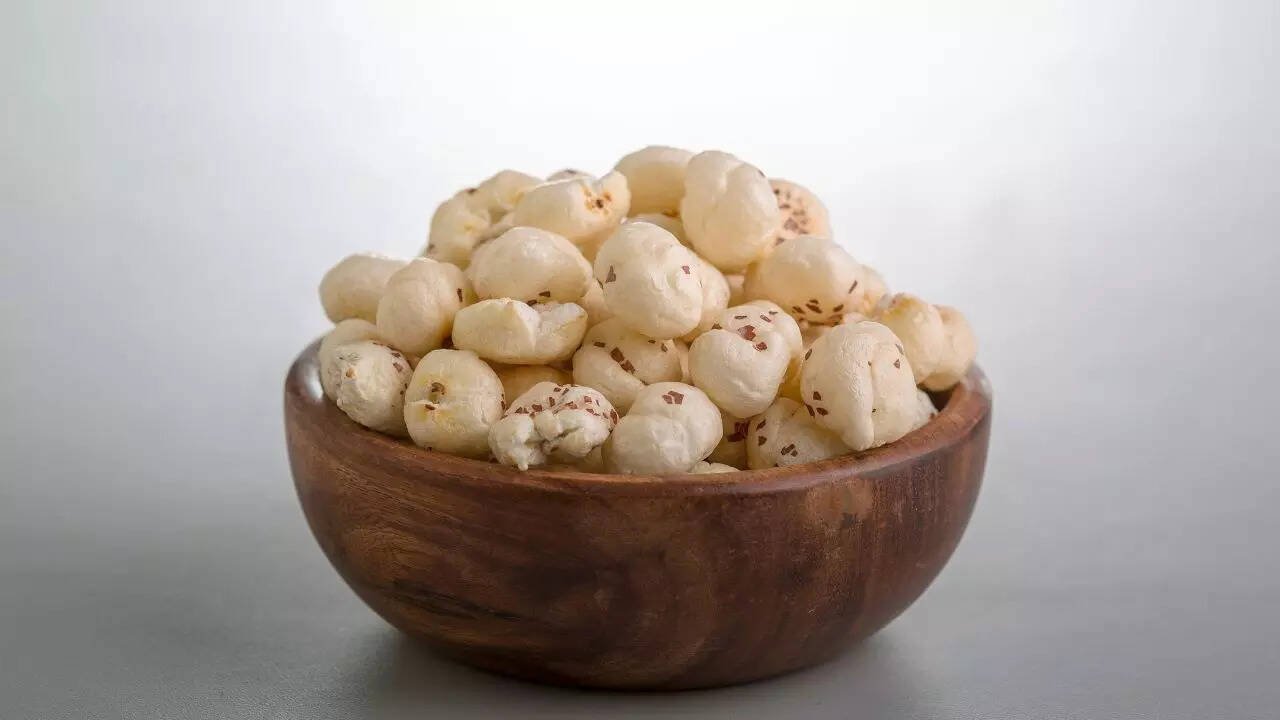
Makhana, also known as fox nuts or lotus seeds, has gained popularity as a healthy snack due to its high protein, fiber, and antioxidant content. While it offers multiple health benefits, Makhana health risks are often overlooked. Certain groups of people should consume it cautiously or avoid it entirely.
Makhana is low in calories, gluten-free, and rich in minerals like magnesium, potassium, and calcium. It is also believed to improve heart health, aid digestion, and support weight management. However, excessive consumption or consumption by vulnerable groups can lead to health issues.
Read More: Tripura to Build 400 KV Substation to Meet Power Demand
1. People with Kidney Stones
Makhana contains a significant amount of calcium, which contributes to its nutritional value. However, people prone to kidney stones should exercise caution. Excess calcium can aggravate the formation of stones, particularly in individuals with a history of calcium oxalate stones.
If you are prone to kidney stones, it’s best to limit Makhana intake and consult a doctor before including it regularly in your diet. Hydration and a balanced diet can help mitigate the risk while allowing occasional consumption of this nutritious snack.
2. Individuals with Diabetes
Although Makhana has a low glycemic index, some preparations involve added sugar, salt, or ghee. These additions can spike blood sugar levels, posing a problem for people with diabetes. Even plain roasted Makhana should be consumed in moderation to maintain healthy blood glucose levels.
For diabetics, it is crucial to monitor portions and avoid sweetened or fried varieties. Pairing Makhana with protein-rich foods can help control blood sugar fluctuations and reduce the impact on insulin levels.
3. People with Digestive Disorders
Makhana is high in fiber, which aids digestion for most people. However, those with sensitive stomachs, irritable bowel syndrome (IBS), or chronic constipation may experience bloating, gas, or discomfort if they consume it in large quantities.
Gradual introduction of Makhana into the diet, combined with sufficient water intake, can help prevent digestive issues. Individuals with pre-existing gastrointestinal conditions should consult a nutritionist before adding it regularly to their meals.
4. Individuals with Allergies
Although rare, some people may be allergic to Makhana. Symptoms of an allergic reaction can include itching, swelling, rashes, or digestive discomfort. People with a history of nut or seed allergies should approach Makhana cautiously.
Conducting a small patch test or consuming a minimal quantity initially can help determine if any allergic reaction occurs. In case of severe reactions, immediate medical attention is necessary.
5. People on Low-Protein Diets
While Makhana is rich in protein, it may not be suitable for individuals on specific medical diets that restrict certain protein sources. Patients with kidney disease requiring low-protein intake should be cautious, as excessive protein can burden kidney function.
Consulting a dietitian or healthcare provider is advisable for those on restricted diets to ensure Makhana consumption aligns with their medical needs. Moderation remains key to avoiding complications.
How to Consume Makhana Safely
To minimize Makhana health risks, consider the following tips:
- Opt for roasted over fried: Roasted Makhana is healthier and lower in calories.
- Avoid added sugar and salt: Plain Makhana is preferable, especially for diabetics.
- Moderate portion size: Excess consumption can lead to digestive issues or excessive mineral intake.
- Pair with other foods: Combining Makhana with proteins, vegetables, or yogurt improves nutritional balance.
- Stay hydrated: Fiber-rich foods like Makhana require sufficient water intake to prevent constipation.
Nutritional Benefits of Makhana
Despite the risks, Makhana remains highly nutritious. It contains antioxidants that combat free radicals, proteins for muscle repair, and essential minerals like calcium and magnesium that support bone health. Regular but moderate consumption can promote overall wellness.
It is also a versatile ingredient. Makhana can be eaten roasted as a snack, added to soups, curries, or desserts, and incorporated into low-calorie meals. Using minimal oil and avoiding excess seasoning ensures the benefits outweigh potential health risks.
While Makhana offers multiple health benefits, it is not suitable for everyone. Groups that should be cautious include people with kidney stones, diabetes, digestive disorders, allergies, and those on low-protein diets.
Awareness of Makhana health risks is essential to enjoy its nutritional benefits without negative consequences. By consuming it in moderation, avoiding added sugar or salt, and seeking professional guidance when necessary, most individuals can safely include Makhana in their diet.
In summary, Makhana is a nutritious snack with potential health advantages, but certain people must exercise caution. Understanding who should avoid it ensures safe consumption while maintaining its benefits for overall wellness.
Read More: Meghalaya Declares HIV Crisis in Jaintia Hills, Targets Youth