


Gwaltabi Clash Highlights Fragile Peace in Manipur
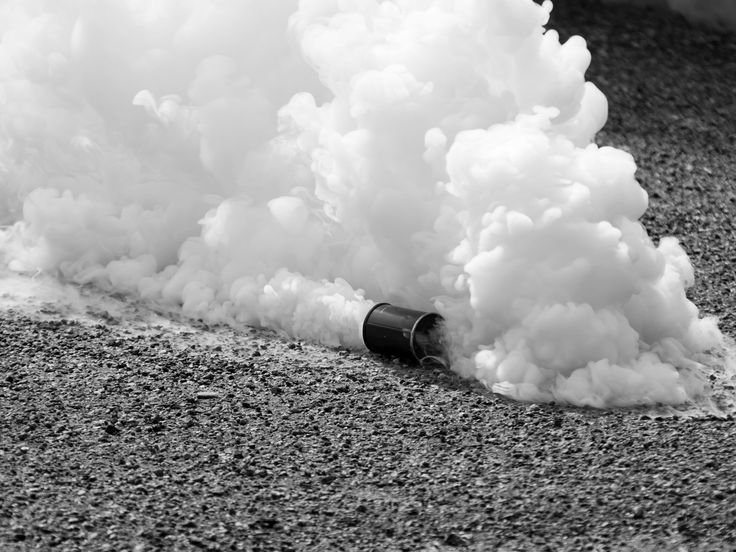
The Manipur displaced residents Imphal East Gwaltabi clash has reignited concerns about the state’s fragile peace. On November 29, hundreds of residents living in relief camps since the ethnic violence of May 2023 attempted to return to their homes in Gwaltabi. Security forces blocked their entry, leading to clashes. Tear gas was used to disperse the crowds, leaving many injured and traumatized.
This incident raises serious questions about the government’s claims of “restored normalcy” in Manipur. For displaced families, normalcy remains elusive as they continue to live in relief camps with little hope of returning home.
Why Residents Tried to Return to Gwaltabi
Displaced Families Seeking Stability
Residents displaced during the 2023 ethnic violence have lived in relief camps for over two years. With deteriorating conditions and limited resources, many felt compelled to reclaim their homes in Gwaltabi.
Government’s Position
Authorities argue that returning to Gwaltabi is unsafe due to lingering tensions. They claim the security deployment was necessary to prevent escalation. However, displaced families insist they cannot remain in camps indefinitely.
Security Forces Respond with Tear Gas
Heavy Deployment in Imphal East
Security forces were stationed across Imphal East to block the attempted return. When residents pushed forward, officers fired tear gas shells to disperse the crowd.
Humanitarian Concerns
The use of tear gas has sparked criticism from civil society groups. They argue that displaced families deserve rehabilitation, not confrontation.
Historical Context: Ethnic Violence of May 2023
Roots of the Conflict
The May 2023 ethnic violence in Manipur displaced thousands, destroying homes and livelihoods. Gwaltabi was one of the worst-hit areas, with entire neighborhoods burned.
Relief Camps and Lingering Trauma
Since then, displaced families have lived in relief camps. Conditions remain poor, with limited access to healthcare, education, and employment.
Political and Social Reactions
Civil Society Condemnation
Human rights organizations condemned the clash, urging the government to prioritize rehabilitation. They argue that preventing families from returning home undermines reconciliation efforts.
Political Debate
Opposition leaders criticized the government’s handling of the situation, while ruling party officials defended the security response as necessary for maintaining order.
Manipur’s Struggle for Normalcy
Government’s Claim of Restored Peace
Officials frequently claim that Manipur has returned to normalcy. However, the Imphal East Gwaltabi clash demonstrates that displaced families remain excluded from this narrative.
Reality on the Ground
For residents in relief camps, normalcy means returning home, rebuilding communities, and accessing basic rights. Until that happens, peace remains incomplete.
What Happens Next?
Rehabilitation Demands
Civil society groups demand comprehensive rehabilitation packages, including housing, land, and livelihood support. Without such measures, displaced families risk permanent marginalization.
Continued Monitoring
Observers warn that clashes could intensify if rehabilitation is delayed. Therefore, monitoring government actions in the coming months is critical.
Wider Implications of Gwaltabi Clash
Impact on Manipur’s Social Fabric
The clash deepens mistrust between displaced communities and the state. It highlights the urgent need for reconciliation and inclusive governance.
Lessons for Policy
Policymakers must balance security concerns with humanitarian needs. Transparent rehabilitation programs and community dialogue are essential for lasting peace.
READ MORE: Assam Eviction Drive in Nagaon Displaces 1,100 Families
The Manipur displaced residents Imphal East Gwaltabi clash is more than a local incident—it is a national reminder of the importance of reconciliation.