


A fresh debate has emerged in Tripura over what many describe as selective media reporting on sensitive issues of identity and ownership in the state. The controversy began after the Amra Bangali party, in a recent public meeting, raised slogans asserting that Bengalis are the rightful owners of Agartala, Teliamura, Kanchanpur, and other parts of the state. Despite the provocative nature of the claim, no mainstream Bengali media outlet in Tripura highlighted or debated the statement.
Observers and members of the public have expressed concern that such declarations, if left unchecked, could disturb the social harmony of the region. Yet, the silence of media organizations has sparked widespread discussion, particularly on social platforms, about the role of the press in maintaining balance and fairness.
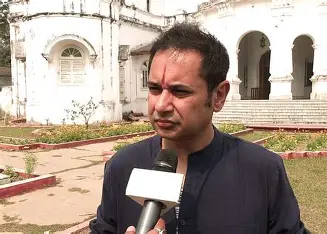
The issue gained further traction after Maharaja Pradyot Bikram Manikya Debbarma, royal scion and Chairman of the TIPRA Motha Party, was asked about the slogans while attending an event at Jantar Mantar in New Delhi. In what was described as a casual and non-confrontational response, he addressed the matter without making any inflammatory remarks. Interestingly, when Maharaja Pradyot spoke, local media in Tripura once again refrained from portraying his comments in a communal light—something that has not gone unnoticed among the people.
Critics argue that the stark difference in media treatment raises uncomfortable questions. Why did the press choose silence when Amra Bangali made sweeping claims of ownership? And why did the same media avoid sensationalizing Maharaja Pradyot’s reply, given the usual tendency to highlight such politically sensitive exchanges?
Public sentiment reflects growing unease over what many see as a double standard. Several citizens have expressed that the inconsistent coverage appears to shield certain groups while subjecting others to harsher scrutiny. “This selective reporting is difficult for the people to digest,” said one Agartala resident, adding that the media must play a neutral role in safeguarding harmony among different communities in Tripura.
The incident underscores the fragile balance of ethnic and linguistic relations in the state. Tripura, with its diverse demographic composition of tribal and non-tribal communities, has often witnessed political and social tensions around identity. The role of the media in such situations is crucial, as biased or selective coverage can deepen divides rather than heal them.
As discussions continue, analysts believe this episode serves as a reminder of the need for responsible journalism. Both the political class and media organizations in Tripura are being urged to adopt a more balanced approach to prevent misunderstandings that could escalate into larger conflicts.
For now, the public debate remains centered on one critical question: should the media act as a silent observer, or should it ensure equal scrutiny for all voices, regardless of community or leadership status?