


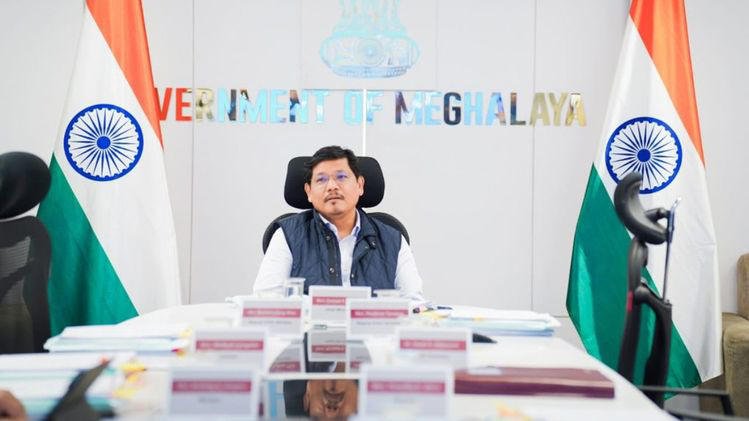
The Meghalaya Cabinet has approved the regularisation of 1,000 nurses who have been serving in different health institutions across the state for several years. The decision marks a major milestone for Meghalaya’s healthcare sector and brings relief to many nurses who have long awaited job security and equal treatment under government service.
Chief Minister Conrad K Sangma announced that the Cabinet’s decision would ensure stability and justice for nurses who have worked tirelessly for the public. He added that these nurses had served on an ad hoc basis for more than a decade despite being appointed against sanctioned posts. This regularisation finally recognizes their commitment and contribution to the state’s health system.
Read More: Meghalaya Youth Congress Demands Probe into RSS Abuse Claims
Background of the Decision
For years, hundreds of nurses in Meghalaya worked without permanent status. Many were appointed before December 2007 and continued to serve on temporary terms. Even though their posts were sanctioned, they lacked the benefits and job protection given to regular government employees.
The issue of ad hoc appointments has been a long-standing one in Meghalaya. In 2022, the state government regularised over 3,000 ad hoc employees across various departments, setting a clear precedent. Following the same rules, the Cabinet decided that eligible nurses should now receive the same opportunity.
The Health Department had earlier prepared a detailed list of nurses who met the criteria. After reviewing this list, the Cabinet approved their inclusion under the Meghalaya Nursing Service. This means they will now enjoy full rights, including salary benefits, pensions, and promotions.
Recognition for Dedicated Service
This decision is being seen as a recognition of years of hard work and commitment. Nurses across the state continued their duties even during difficult times, including the COVID-19 pandemic. Many of them served in remote and rural areas where healthcare resources are limited.
The Chief Minister stated that these nurses played a vital role in strengthening the healthcare network of Meghalaya. He added that regularising their jobs is not only a reward for their dedication but also an important step in building a more reliable public health system.
The government hopes that with job stability, nurses will feel more motivated and deliver better patient care. Regularisation also ensures equal treatment among government healthcare workers, reducing frustration and boosting morale.
Implementation and Verification Process
The Health Department will now verify the details of all eligible nurses before finalising the regularisation orders. Officials will confirm that each nurse was appointed before December 2007 and that their service has been continuous.
Once verification is complete, the government will issue official orders converting their ad hoc status into permanent positions under the Meghalaya Nursing Service. The nurses will then receive full benefits, including access to medical leave, promotions, pensions, and other service advantages.
Authorities expect the process to move quickly, as the framework already exists from the 2022 regularisation exercise. The department also plans to ensure transparency so that no deserving candidate is left out.
Benefits of the Regularisation
The regularisation of 1,000 nurses brings multiple benefits to both the employees and the state’s healthcare system.
Job Security and Equal Pay
Regularisation provides long-term job stability and ensures that nurses receive salaries and benefits on par with other government employees. This ends years of uncertainty about contract renewals or termination.
Improved Healthcare Delivery
A secure and motivated nursing workforce leads to better patient care. When nurses are assured of their future, they can focus fully on their duties instead of worrying about job loss.
Strengthened Public Health Infrastructure
Regularisation helps retain skilled healthcare workers within the public system. It reduces attrition rates and ensures that government hospitals and clinics have enough trained staff to meet patient needs.
Legal and Administrative Clarity
The decision also aligns with past court rulings on the regularisation of ad hoc employees. It simplifies administrative processes and minimizes the risk of future disputes regarding employment status.
Challenges Ahead
While the move has been welcomed, it also presents a few challenges. The regularisation of 1,000 employees will increase the state’s expenditure on salaries and pensions. However, officials believe that the investment will pay off by improving the quality and reliability of healthcare delivery.
Another challenge will be managing expectations from other departments. Many groups of temporary or contractual workers may now demand similar treatment. The government will need to handle these requests carefully, maintaining both fairness and fiscal balance.
To ensure accountability, the Health Department plans to introduce regular training and performance monitoring. This will help maintain professional standards even as nurses transition into permanent roles.
Impact on Meghalaya’s Health Sector
The decision is expected to create a more stable and efficient healthcare workforce. Many government hospitals and health centres in Meghalaya have long struggled with staff shortages and high turnover. The regularisation will encourage nurses to stay in service, ensuring consistent care for patients.
In the long run, this move will also attract more young professionals to join government healthcare. Seeing that the state values and protects its employees, many aspiring nurses may prefer public service over private employment.
The government views this decision as a key reform in its health policy. By securing the jobs of nurses, it ensures that essential services remain uninterrupted and that citizens receive dependable medical attention.
Conclusion
The Meghalaya Cabinet’s approval of the regularisation of 1,000 nurses stands as a landmark moment for both the government and the healthcare community. It fulfils a long-pending promise, brings equality among health workers, and reinforces the administration’s commitment to fair governance.
Through this move, the government not only rewards years of selfless service but also lays the foundation for a stronger healthcare system. The nurses who once worked under uncertain conditions can now serve with dignity, confidence, and pride.
This decision highlights a simple but powerful truth: when the people who care for others are themselves supported and valued, the entire system becomes stronger. Meghalaya’s step toward regularising its nurses is therefore not just an administrative reform—it is a statement of gratitude, fairness, and progress.
Read More: Assam issues eviction notices to 1,200 families in Doboka forest