


The Meghalaya High Court has permitted the continuation of the Mawjymbuin Cave pilgrimage under strict guidelines to ensure a balance between religious freedom and environmental conservation. The ruling has been welcomed by local communities in Mawsynram, East Khasi Hills, while also addressing concerns raised by environmental groups.
Court Decision on Mawjymbuin Cave Pilgrimage
The bench declared that devotees could visit the cave while following new restrictions. The court emphasized that uncontrolled visits would damage the fragile limestone ecosystem. Therefore, it ordered:
The court directed that:
- The number of daily visitors should be regulated to prevent overcrowding.
- Waste management and sanitation facilities must be maintained at the site.
- Local authorities and custodians of the cave must ensure compliance with environmental and safety standards.
The decision comes after petitions were filed expressing concerns over unregulated visits that could damage the fragile cave ecosystem.
Religious Significance of Mawjymbuin Cave
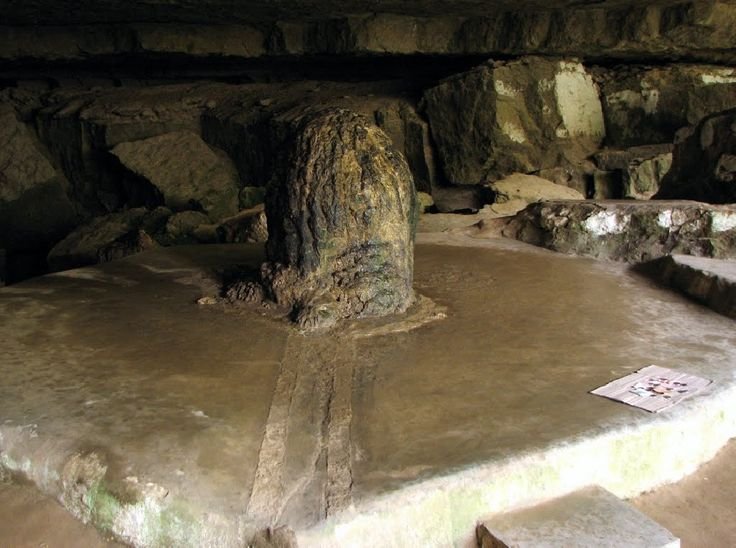
The Mawjymbuin Cave, located about 56 kilometers from Shillong, holds immense religious importance for devotees. Inside the cave lies a naturally formed stalagmite structure resembling a Shiva Lingam, attracting pilgrims from across Meghalaya and neighboring states.
For years, the site has been a hub of spiritual gatherings, especially during Shivratri and other Hindu festivals, drawing hundreds of devotees to the cave’s sacred chambers.
Environmental Concerns Raised
While the Mawjymbuin Cave is a place of worship, it is also an ecologically sensitive limestone cave with unique stalactite and stalagmite formations. Environmental groups argued that unchecked footfall, plastic waste, and lack of proper monitoring could lead to long-term ecological damage.
The High Court, acknowledging these concerns, said:
“The sanctity of the Mawjymbuin Cave pilgrimage must be preserved not only for devotees but also for future generations. Protection of the natural environment is equally vital.”
Balancing Faith and Ecology
Conditions for Pilgrimage Access
The High Court order listed clear measures for responsible pilgrimage:
- Daily cap on visitors to avoid overcrowding.
- Ban on single-use plastics in and around the cave.
- Proper lighting and ventilation to ensure safety without harming the cave ecosystem.
- Designated areas for rituals to protect fragile rock formations.
Role of Local Authorities
The East Khasi Hills District Administration has been tasked with monitoring visitor numbers and enforcing the court’s directives. Local custodians, including community organizations, will work with authorities to maintain cleanliness and safety standards.
Community Response
Local religious groups have welcomed the court’s decision, seeing it as a recognition of the cave’s spiritual importance. At the same time, they acknowledged the need to follow rules for the protection of the site.
Environmental activists also expressed cautious approval, emphasizing the need for strict enforcement of the guidelines to avoid ecological degradation.
Mawjymbuin Cave in Meghalaya Tourism
Beyond its religious value, the Mawjymbuin Cave pilgrimage also boosts local tourism in Meghalaya. Tourists often combine visits to the cave with trips to nearby attractions in Mawsynram, famously known as one of the wettest places on Earth.
The Meghalaya government has highlighted the cave as part of its eco-tourism initiatives, which focus on balancing cultural heritage with environmental preservation.
Broader Significance of the High Court Order
The ruling reflects a broader trend in Indian courts, where judicial intervention seeks to strike a balance between development, religious practices, and environmental sustainability. Similar directives have been issued in recent years concerning pilgrimage sites in Uttarakhand, Himachal Pradesh, and Jammu & Kashmir.
Legal experts note that the Mawjymbuin Cave pilgrimage order sets a precedent for managing sensitive religious sites without compromising ecological protection.
Looking Ahead
Authorities will likely introduce new measures, including:
- Online systems for pilgrimage registration.
- Trained staff for monitoring compliance.
- Awareness campaigns to encourage pilgrims to practice eco-friendly rituals.
These steps will strengthen the balance between faith and environmental responsibility.
READ MORE: Myanmar Earthquake Tremors Felt in Assam, Manipur, Nagaland
The Meghalaya High Court’s decision to permit the Mawjymbuin Cave pilgrimage under conditions reflects a careful balance between protecting cultural heritage and safeguarding the environment.
Devotees can continue their spiritual journey, but with greater responsibility toward nature.