


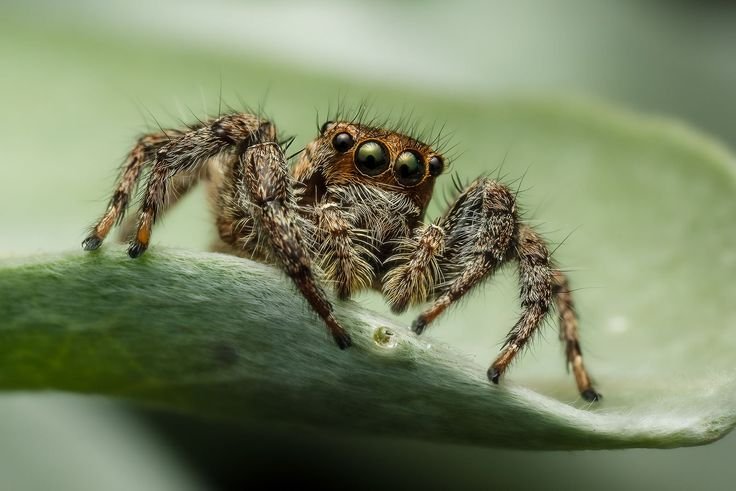
The Meghalaya jumping spider discovery ZSI scientists announced on December 9, 2025, has electrified the scientific community. Researchers from the Zoological Survey of India (ZSI) revealed two new species of jumping spiders—Asemonea dentis and Colyttus nongwar—found in the lush forests of Meghalaya. This discovery not only enriches India’s biodiversity records but also underscores the ecological importance of the Northeast as part of the Indo-Burma mega biodiversity hotspot.
The Discovery Explained
ZSI Scientists Identify New Jumping Spiders
According to ZSI Director Dr. Dhriti Banerjee, the newly described species belong to the Salticidae family, known for:
- Exceptional vision that aids in hunting.
- Quick reflexes and agile movements.
- Unique predatory behavior, stalking and pouncing on prey rather than spinning webs.
This makes jumping spiders fascinating both to scientists and nature enthusiasts.
Species Details
Asemonea dentis
- Found in Meghalaya’s forested regions.
- Distinguished by unique dental-like structures in its morphology.
- Exhibits specialized hunting techniques.
Colyttus nongwar
- Named after Nongwar village in Meghalaya.
- Features distinctive markings and body structure.
- Adds to the diversity of the Colyttus genus.
Together, these species expand India’s spider taxonomy and highlight the rich ecological tapestry of Meghalaya.
Meghalaya as a Biodiversity Hotspot
Why Meghalaya Matters
Meghalaya has long been recognized as a biodiversity-rich state. Recent discoveries include:
- Irura meghalaya, a dazzling jumping spider described in May 2025.
- Thiania abdominalis, a banded jumping spider recorded for the first time in India in April 2025.
These findings reaffirm Meghalaya’s role as a critical hub for biodiversity research.
Scientific and Public Reactions
Enthusiasm Over Meghalaya Jumping Spider Discovery
- Scientists hailed the discovery as proof of India’s untapped biodiversity potential.
- Conservationists stressed the need to protect Meghalaya’s fragile ecosystems.
- Local communities expressed pride, as species like Colyttus nongwar were named after their villages, linking science with cultural identity.
Regional and Global Significance
Meghalaya Jumping Spider Discovery in Global Context
The discovery contributes to global biodiversity databases and strengthens India’s position in arachnid research. It also highlights:
- The importance of Northeast India in global conservation strategies.
- The need for international collaboration to study and protect unique species.
Biodiversity in Numbers
Salticidae Family in India
- Over 315 described species under 104 genera.
- Meghalaya alone has contributed several new species in recent years.
- Each discovery adds to India’s reputation as a biodiversity powerhouse.
Why This Matters
The Meghalaya jumping spider discovery ZSI scientists case highlights how scientific exploration can drive conservation awareness. Protecting habitats ensures that unique species continue to thrive, while discoveries inspire eco-tourism and educational opportunities.
Citizens, researchers, and policymakers must support biodiversity conservation. Visit Meghalaya responsibly, participate in eco-tourism, and advocate for stronger environmental protections. Every discovery is a reminder that nature’s secrets are worth preserving.
READ MORE: Mizoram Anti-Smuggling Efforts: Drugs & Areca Nuts Seized
The Meghalaya jumping spider discovery ZSI scientists marks a milestone in India’s biodiversity journey. With Asemonea dentis and Colyttus nongwar joining the catalog of unique species, Meghalaya reaffirms its place as a treasure trove of ecological wonders.
As science uncovers more of nature’s secrets, the call is clear: protect biodiversity, celebrate discovery, and ensure future generations inherit a thriving natural world.