


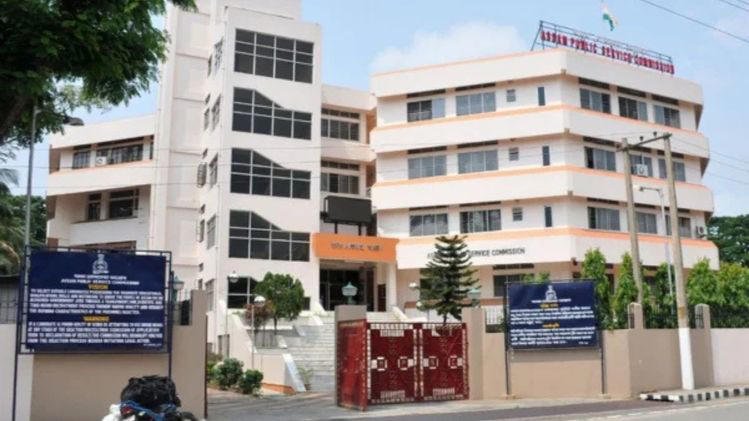
Meitei organisation seeks APSC clarification after a controversial exam question about the Manipur crisis sparked strong reactions in the state. The organisation has expressed disappointment, saying the issue touches on sensitive ethnic tensions. The controversy has now put the Assam Public Service Commission (APSC) under scrutiny for its choice of question.
The incident highlights how competitive exams, often considered neutral platforms, can stir unrest when they touch upon unresolved or sensitive political issues. The Meitei group has demanded accountability and transparency from APSC in framing such questions.
Read More: Assam DGP Urges Public to Join I-Day Celebrations
The Question That Sparked the Row
The controversy erupted after candidates appearing for a recent APSC examination came across a question related to the Manipur crisis. According to reports, the phrasing of the question appeared biased and insensitive. For the Meitei community, which has been deeply affected by the ongoing ethnic violence, this choice of subject felt inappropriate.
Meitei organisation seeks APSC clarification because they believe public exams should not become platforms for controversial debates. Instead, such exams should focus on assessing knowledge, governance skills, and administrative aptitude.
The question’s wording, they argue, risked portraying a particular community in a negative light. This has not only upset community sentiments but has also raised larger concerns about the impartiality of state institutions.
Call for Sensitivity in Public Examinations
The Meitei leaders emphasised that while current affairs and political events often appear in exams, sensitive conflicts should be handled with care. Public service examinations play a key role in shaping the careers of future administrators. Therefore, any misstep can create distrust among communities.
Meitei organisation seeks APSC clarification precisely because they feel fairness must remain the guiding principle. The organisation urged that APSC should consult experts and adopt guidelines to ensure exam questions do not worsen community divides.
Reactions from the Community
The issue quickly drew strong reactions from Meitei students, civil groups, and intellectuals. Many expressed concern that framing the Manipur crisis as an exam question trivialises the suffering of thousands. For them, the violence has not just been a headline but a lived reality.
Meitei organisation seeks APSC clarification as they feel silence would only embolden such practices in the future. They called the question careless and insensitive to those who lost lives, homes, and livelihoods in the unrest. The demand is also seen as a way to safeguard community dignity in public discourse.
The Larger Context of the Manipur Crisis
The Manipur crisis, marked by violent clashes between different communities, has caused widespread displacement and loss. The Meiteis, being one of the central groups in the conflict, continue to struggle with its impact. Against this backdrop, the use of such a question in a competitive exam appears all the more problematic.
By raising their voice, Meitei organisation seeks APSC clarification not only for immediate accountability but also to highlight the broader need for cultural sensitivity in public institutions. They argue that administrators must be trained to understand diversity, not to pit communities against each other.
APSC Under Scrutiny
The Assam Public Service Commission has so far not issued a detailed response. However, the controversy has already placed the institution under public glare. Candidates, teachers, and social activists are watching closely to see how APSC will handle the matter.
Meitei organisation seeks APSC clarification by demanding a formal explanation of the selection process for the question. They also want assurances that future exams will avoid such sensitive framing. This demand highlights the accountability that constitutional bodies must maintain.
Demands Put Forward
The organisation has outlined specific demands to ensure such issues do not repeat. These include:
- A formal apology or clarification from APSC regarding the controversial question.
- A review mechanism to screen sensitive topics before inclusion in exams.
- Greater community representation or consultation in question-setting panels.
- Training for examiners to recognise politically sensitive issues.
Meitei organisation seeks APSC clarification while stressing that these measures are not just about one community but about building fairness across all state institutions.
Importance of Responsible Governance
This controversy serves as a reminder of the fine balance between education, governance, and community sensitivities. Public service exams are meant to identify capable administrators. Yet, if exam questions themselves cause unrest, the system risks losing credibility.
Meitei organisation seeks APSC clarification because they believe inclusivity and sensitivity are essential for a strong democracy. Questions must encourage aspirants to think critically about governance without hurting sentiments or reinforcing divides.
The controversy around the APSC exam question on the Manipur crisis has sparked fresh debates on sensitivity, fairness, and accountability in public institutions. By raising their voice, the Meitei organisation seeks APSC clarification to ensure exam bodies remain neutral and respectful of diversity.
As the crisis continues to shape lives in Manipur, such questions only deepen wounds. The demand for transparency and responsibility is not just a local issue but a call for nationwide reflection on how public examinations handle current affairs.
The path forward must combine accountability from APSC with broader reforms to ensure fairness in competitive examinations. For the Meitei community, this is about dignity, recognition, and justice in the face of a long-standing crisis.
Read More: Assam clears 26 hectares in Rangma reserve eviction drive