


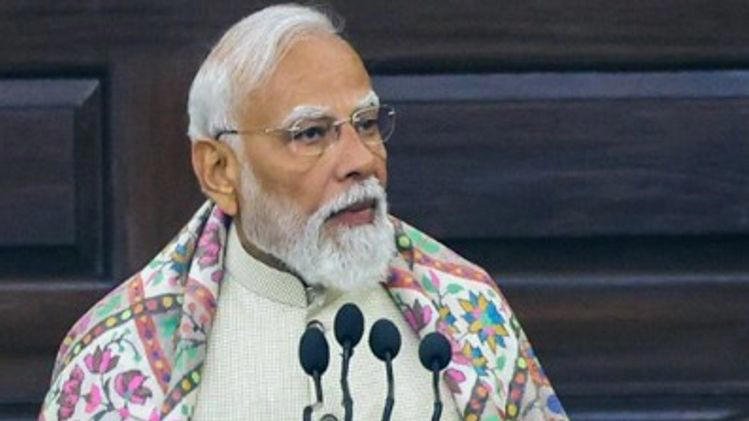
Calls to halt Indo-Myanmar border fencing have intensified in Mizoram, with several civil society groups urging Prime Minister Narendra Modi to stop the project, warning that it threatens long-standing indigenous ties across the international boundary. The organisations said fencing the border would divide families, disrupt cultural bonds, and undermine social relationships that existed long before the modern boundary was drawn.
Read More: Assam exploring power export to Bangladesh via Tripura: CM Saha
Moreover, the groups argued that people living along the border share deep ethnic, cultural, and historical connections with communities in Myanmar. They said any physical barrier would permanently alter traditional ways of life and harm community cohesion in the region.
Mizoram groups call to halt Indo-Myanmar border fencing
In a memorandum addressed to the Prime Minister, Mizoram-based organisations appealed to the Centre to reconsider its decision to fence the Indo-Myanmar border. They said the demand to halt Indo-Myanmar border fencing stems from concerns that the project ignores ground realities unique to the region.
According to the groups, the border cuts through villages, farmlands, and traditional routes used for generations. Fencing, they said, would separate relatives and disrupt daily social interaction that remains central to community life.
Indigenous ties across the border
The organisations highlighted that communities on both sides of the Indo-Myanmar border share common ancestry, language, and cultural practices. These ties, they said, cannot be viewed through a purely security-focused lens.
They argued that the border is a political line imposed during colonial times, which did not reflect social or cultural boundaries. Therefore, the move to halt Indo-Myanmar border fencing is rooted in preserving identity and human connection rather than opposing national security.
Concerns over Free Movement Regime
One of the major concerns raised relates to the Free Movement Regime (FMR), which has historically allowed people living along the border to travel short distances across it without visas. The groups warned that fencing would effectively nullify the spirit of the FMR.
They said the FMR recognises the unique social fabric of the border region. By fencing the border, the Centre risks breaking an arrangement that helped maintain peace and mutual trust. Hence, they stressed the need to halt Indo-Myanmar border fencing until broader consultations take place.
Impact on daily life and livelihoods
The groups said fencing would affect agriculture, trade, and daily movement. Many families cultivate land that lies close to or across the border, while others depend on cross-border markets for livelihood.
Restricting movement, they warned, could increase economic hardship in already remote areas. As a result, the demand to halt Indo-Myanmar border fencing also reflects fears of worsening livelihood insecurity.
Security concerns versus social reality
While acknowledging the Centre’s concerns about illegal migration and security, the organisations argued that fencing alone cannot address complex border challenges. They said security measures must be balanced with sensitivity toward local communities.
The groups suggested strengthening border management through dialogue, cooperation with local residents, and better monitoring rather than physical barriers. Therefore, they said halting Indo-Myanmar border fencing would allow time to explore alternatives that respect both security and social harmony.
Appeal for dialogue and consultation
Mizoram groups said they were not consulted before decisions on fencing were taken. They urged the Centre to engage with community leaders, civil society organisations, and the state government before moving forward.
According to them, inclusive dialogue is essential to avoid unrest and misunderstanding. They stressed that decisions affecting indigenous life should involve those most impacted. Hence, the call to halt Indo-Myanmar border fencing also reflects a demand for participatory decision-making.
Cultural and emotional implications
Beyond practical concerns, the organisations spoke about emotional and cultural loss. Festivals, customary gatherings, and shared religious practices often involve people from both sides of the border.
Fencing, they said, would disrupt these traditions and weaken cultural continuity. Therefore, the appeal to halt Indo-Myanmar border fencing highlights the human cost of infrastructure decisions in sensitive regions.
Political and regional sensitivity
Political observers note that the issue carries regional sensitivity, especially in Mizoram, where community identity plays a central role in public life. Any move perceived as disregarding indigenous ties could lead to widespread discontent.
The groups warned that fencing without consent could alienate border communities. They said policies must strengthen trust between the Centre and the people rather than deepen feelings of exclusion.
What the groups are demanding
The organisations urged the Prime Minister to immediately pause fencing work and initiate consultations. They also called for a review of border policies that take into account historical, cultural, and social realities.
Additionally, they requested protection of traditional movement rights and preservation of cross-border relationships. Halting Indo-Myanmar border fencing, they said, would be the first step toward a more humane and balanced approach.
Way forward
The appeal from Mizoram groups places the Centre at a crossroads between security planning and community concerns. While border management remains a national priority, the situation in Mizoram highlights the need for context-specific solutions.
Overall, the demand to halt Indo-Myanmar border fencing underscores a deeper call for empathy and dialogue. As discussions continue, how the Centre responds may shape not only border policy but also its relationship with indigenous communities living along one of India’s most culturally interconnected frontiers.
Read More: Mizoram minister inspects Tripura–Mizoram gas pipeline project in Agartala