


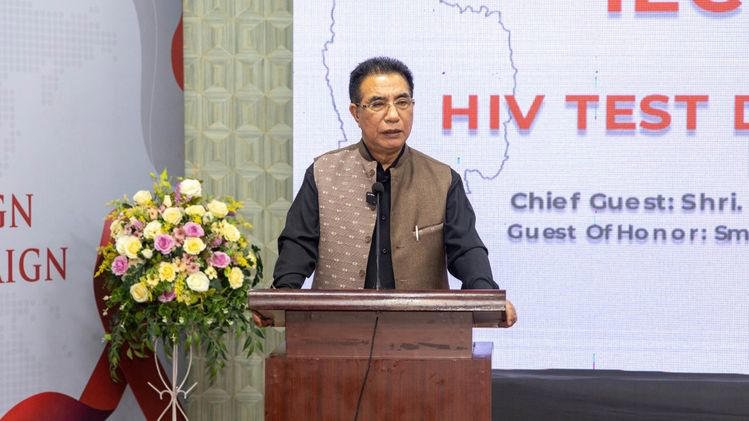
Mizoram has launched a strengthened HIV awareness drive to address the state’s high infection rates and ensure timely diagnosis. The initiative combines awareness programs, intensified testing, and improved community outreach. State health officials aim to reduce the stigma surrounding HIV while encouraging more people to get tested.
The Need for Urgent Action
Mizoram continues to record one of the highest HIV prevalence rates in India. Health authorities note that delayed diagnosis and insufficient awareness contribute significantly to the problem. Many people avoid testing due to fear of social judgment. As a result, they often seek medical attention only when symptoms become severe.
Officials explained that increasing public participation in HIV testing is critical. The new drive focuses on building trust between communities and healthcare providers. By involving local leaders and social workers, the government hopes to create an environment where people feel safe to discuss HIV-related concerns.
Read More: Sikkim Pakyong Airport Revival on Agenda as Centre, Airlines Meet
Strategy of the Awareness Drive
The Mizoram HIV awareness drive will combine multiple strategies to reach urban and rural populations. Mobile health units will visit remote areas, offering free and confidential HIV testing. These units will also distribute educational materials in local languages.
Health workers plan to conduct workshops in schools and colleges to educate young people about HIV transmission and prevention. The aim is to provide accurate information early, ensuring that myths and misinformation do not influence young minds. Community-based organizations will also participate in spreading awareness through street plays, cultural programs, and social media campaigns.
In addition, the state will enhance access to antiretroviral therapy (ART) for people who test positive. Early treatment can help reduce the risk of further transmission and improve the quality of life for patients.
Targeting High-Risk Groups
The drive places special focus on high-risk groups, including intravenous drug users, sex workers, and migrant workers. Health teams will conduct targeted interventions to reach these communities with both testing and counseling services.
To improve outreach, the government has partnered with non-governmental organizations that have experience working with marginalized groups. These organizations can help bridge the gap between health services and communities that often face discrimination.
Moreover, awareness campaigns will address not just HIV prevention, but also the importance of regular testing for those who might be at risk. Encouraging repeated testing can help identify new infections early and limit their spread.
Increasing Testing Facilities
Mizoram plans to expand its network of testing centers to make services more accessible. The government will upgrade existing primary health centers with HIV testing equipment and trained staff. Mobile vans will operate in areas with limited health infrastructure, ensuring that people living in remote villages have equal access to testing.
Testing will be confidential, and results will be provided quickly to reduce anxiety for individuals awaiting their reports. Trained counselors will guide individuals who test positive, helping them understand treatment options and available support services.
Combating Stigma Through Education
Stigma remains one of the largest obstacles in controlling HIV in Mizoram. Many individuals avoid testing or treatment due to fear of discrimination from neighbors, employers, or even family members. To counter this, the Mizoram HIV awareness drive includes educational programs that address prejudice directly.
Workshops will share real-life stories of people living with HIV who lead normal, productive lives with proper treatment. By showing positive examples, the campaign aims to shift public attitudes. Religious leaders and community elders will also be encouraged to speak openly about HIV to reduce cultural taboos.
Government and Community Partnership
The success of the drive depends heavily on collaboration between the government and local communities. The state health department will coordinate with village councils, student unions, and women’s groups to ensure maximum participation.
Financial support for the campaign will come from both the state budget and contributions from international health organizations. The funds will be used to purchase testing kits, train health workers, and run awareness events.
Additionally, the government will track progress through regular surveys and data collection. This monitoring will help identify areas where infection rates remain high, allowing for more targeted interventions.
Technology in the Fight Against HIV
Technology will also play a role in Mizoram’s HIV awareness and testing program. Mobile apps will provide information on nearby testing centers, prevention tips, and treatment facilities. Social media platforms will spread key messages quickly, especially to younger audiences.
The state also plans to use SMS alerts to remind people about follow-up tests and treatment schedules. This digital approach aims to keep individuals engaged with their health care journey.
Expected Impact
Health officials expect the intensified Mizoram HIV awareness drive to lead to a significant increase in testing rates over the next year. They also anticipate better awareness among young people, reduced stigma, and earlier treatment for those diagnosed.
The long-term goal is to lower Mizoram’s HIV prevalence rate by breaking the chain of transmission. By combining community outreach, improved health services, and strong public participation, the state hopes to set an example for other regions facing similar challenges.
Mizoram’s renewed focus on HIV awareness and testing represents a critical step toward controlling the spread of the virus. With a combination of education, community engagement, and accessible health services, the state aims to protect vulnerable populations and promote healthier lives.
The success of this initiative will depend on consistent effort, community trust, and the willingness of people to embrace testing without fear. If these elements align, Mizoram could make substantial progress in reducing its HIV burden in the coming years.
Read More: Tripura Tourism Development Plans: Guides & Funding