


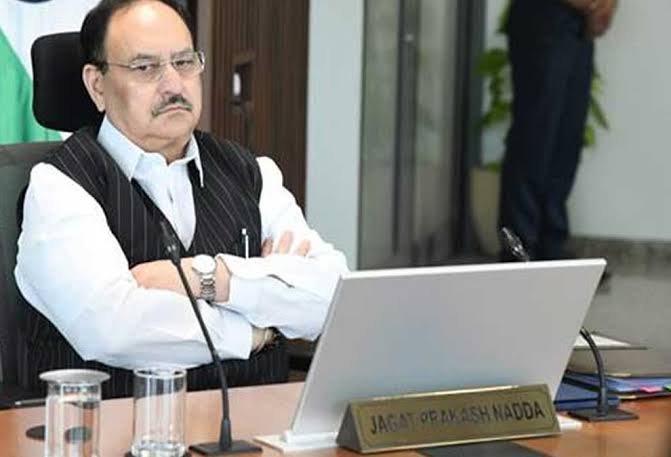
The Nadda Flood Health Assessment has begun as Union Minister JP Nadda started a three-day emergency review of health services in flood-affected areas. The visit focuses attention on medical preparedness, relief measures, and healthcare delivery in communities facing the impact of severe flooding.
Imphal Airport Upgrade: New Cargo Terminal Opens to Boost Regional Organic Exports
The Nadda Flood Health Assessment comes as floodwaters disrupt normal healthcare operations across affected areas. Moreover, widespread flooding can make it difficult for residents to reach hospitals, clinics, pharmacies, and emergency medical facilities.
Nadda’s assessment is expected to examine the readiness of health authorities during the ongoing emergency. Therefore, the review can help identify gaps in medical supplies, emergency response, disease prevention, and healthcare access.
The visit also highlights the importance of maintaining health services during natural disasters. Additionally, coordination between central and state agencies can help authorities respond more effectively to urgent medical requirements.
Nadda Flood Health Assessment Reviews Emergency Preparedness
The Nadda Flood Health Assessment places healthcare preparedness at the centre of the Union Health Minister’s three-day visit to flood-affected zones.
Moreover, flooding can increase pressure on medical facilities while creating additional risks for vulnerable communities. Consequently, health departments must maintain essential services even when transportation and communication networks face disruptions.
Emergency healthcare teams may need to address injuries, infections, maternal and child healthcare requirements, and other routine medical needs during prolonged flooding. Furthermore, authorities must ensure that essential medicines and medical equipment remain available.
The available information does not provide a detailed list of hospitals, districts, or health facilities included in Nadda’s assessment.
Nadda Flood Health Assessment Focuses on Flood-Zone Healthcare
The Nadda Flood Health Assessment also highlights the need to maintain healthcare access in areas where floodwaters have affected normal movement.
Additionally, mobile medical teams and temporary healthcare facilities can help reach communities that cannot easily travel to established hospitals. Meanwhile, health officials must monitor local conditions and adjust medical support according to emerging requirements.
Flood emergencies can also create public-health challenges when clean drinking water, sanitation systems, and waste-management services face disruption. Therefore, disease surveillance and preventive healthcare remain important parts of emergency response.
The minister’s assessment can provide an opportunity to review how central resources and state-level health systems are responding to these challenges.
Nadda Flood Health Assessment Could Strengthen Relief Coordination
The Nadda Flood Health Assessment could help strengthen coordination between healthcare authorities and broader disaster-relief operations.
Moreover, health services depend on transportation, electricity, communications, and supply chains that flooding can disrupt. Consequently, effective emergency planning requires coordination across multiple departments.
A field assessment can also help authorities identify areas where additional medical personnel, medicines, equipment, or temporary facilities may prove necessary. Similarly, direct feedback from local health officials can inform decisions about emergency support.
The three-day assessment therefore carries significance beyond a routine administrative review. It can provide a clearer picture of healthcare needs as flood-affected communities move from immediate response toward recovery.
Conclusion
The Nadda Flood Health Assessment has begun as Union Minister JP Nadda starts a three-day emergency assessment of health services in flood-affected zones.
Furthermore, the review comes at a critical time for communities facing disruptions to healthcare access, transportation, sanitation, and essential services. Strong coordination between central and state authorities will remain important throughout the emergency.
Overall, the Nadda Flood Health Assessment underscores the need to maintain resilient healthcare systems during major natural disasters and ensure that affected communities continue receiving essential medical support.
FAQs
1. What is the latest Nadda Flood Health Assessment update?
The Nadda Flood Health Assessment concerns Union Minister JP Nadda’s three-day emergency review of healthcare services in flood-affected areas.
2. Why is the assessment important?
The review can help authorities evaluate healthcare preparedness, identify gaps, and strengthen medical support for communities affected by flooding.
3. What healthcare challenges can floods create?
Flooding can disrupt transportation, medical supply chains, hospitals, sanitation, clean water access, and routine healthcare services.
4. How can authorities maintain healthcare during floods?
Authorities can use mobile medical teams, temporary facilities, emergency medicine supplies, disease surveillance, and coordinated disaster-response systems.
5. How long will Nadda’s assessment last?
The reported assessment will take place over three days, with a focus on health services in flood-affected zones.