


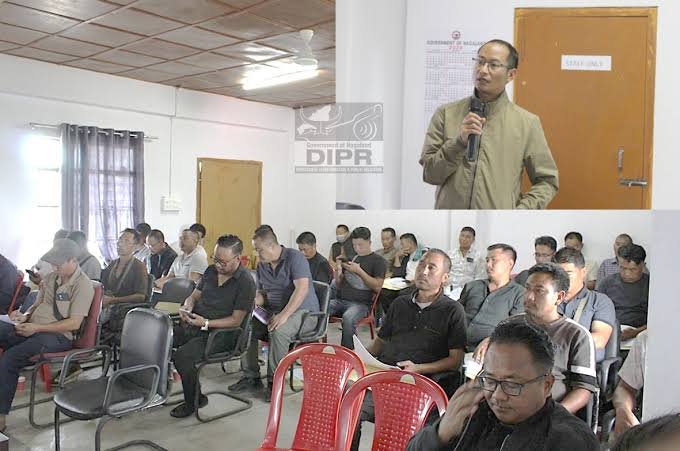
Nagaland’s electoral authorities are placing greater emphasis on electoral roll cleanup as officials work to improve the accuracy and reliability of voter lists. The exercise has increased attention on verification procedures, documentation, duplicate entries, and the need to ensure that eligible voters remain on the rolls.
The Chief Electoral Officer’s office plays a central role in supervising electoral-roll preparation and revision in the state. Moreover, stricter verification procedures can help election officials identify errors while maintaining safeguards for voters whose names appear on the rolls.
The process carries particular importance in Nagaland because electoral participation remains closely connected with local communities and administrative structures. However, officials must balance accurate voter records with accessible procedures that allow eligible electors to correct errors or challenge decisions.
Tripura CEO Brijesh Pandey Locks Dates for Special Electoral Revision
Chief Electoral Officer Tightens Verification
The Chief Electoral Officer’s office is expected to maintain close oversight of electoral-roll revision and verification activities.
Officials can examine voter records for errors, duplicate entries, incorrect addresses, and other inconsistencies. Furthermore, field-level election staff can assist in checking information and updating records through the prescribed procedures.
The objective remains to maintain an accurate electoral roll.
However, strict verification should operate alongside appropriate safeguards for eligible voters.
Electoral Roll Cleanup Targets Inaccuracies
Electoral-roll cleanup can help identify entries that require correction or removal under applicable election rules.
Officials may encounter duplicate registrations, outdated addresses, incorrect personal details, or records involving voters who no longer meet eligibility requirements. Additionally, regular revision allows electors to request corrections when their information contains errors.
This process supports the integrity of the electoral register.
However, officials must follow established procedures before removing eligible voters from the rolls.
Documentation Could Become Important
Documentation can play an important role during electoral-roll verification.
Voters may need to provide information or supporting records when they request corrections or respond to verification requirements. Moreover, discrepancies between different documents can sometimes create administrative difficulties.
Clear guidance can help voters understand what information authorities require.
However, documentation requirements should follow the applicable election rules rather than informal standards.
Eligible Voters Need Accessible Remedies
Electoral-roll revision must also provide mechanisms for voters to address errors.
Individuals whose names do not appear correctly can use the prescribed claims and objection procedures. Furthermore, accessible administrative channels can help resolve disputes without requiring voters to immediately seek judicial intervention.
This can make the cleanup process more efficient.
However, voters should rely on official election authorities for current deadlines and procedures.
Duplicate Entries Remain an Administrative Concern
Duplicate entries can reduce the accuracy of electoral databases.
Election officials may identify records that appear to belong to the same individual and examine them under the relevant procedures. Additionally, voters who have moved between locations may need to update their registration details.
Effective database management can therefore improve electoral-roll accuracy.
However, officials must verify records carefully before taking action against any voter.
Remote Areas Present Practical Challenges
Nagaland’s geography can create practical challenges for electoral administration.
Communities in remote locations may face difficulties accessing government offices or receiving information about revision procedures. Moreover, election officials may need effective field-level communication to ensure that voters understand the process.
Local outreach can therefore become an important part of electoral-roll cleanup.
However, the exact arrangements may differ across districts and administrative areas.
Political Parties May Monitor the Process
Political parties and candidates are likely to monitor electoral-roll changes closely.
They may examine revisions, raise concerns about unusual changes, and encourage eligible supporters to verify their registration. Furthermore, political scrutiny can help identify administrative errors when parties use formal channels to submit complaints.
This makes transparency important during the revision process.
However, political allegations should remain separate from verified administrative findings.
Electoral Integrity Remains the Priority
An accurate voter list supports fair elections.
Removing duplicate or ineligible entries can strengthen the integrity of the electoral process, while retaining eligible voters protects democratic participation. Moreover, authorities must balance both objectives during every revision exercise.
The cleanup process therefore requires consistency and careful verification.
However, administrative efficiency should not come at the expense of voters’ legal rights.
Strict Rules Need Clear Communication
Strict electoral procedures work best when authorities communicate them clearly.
Voters need information about applicable forms, deadlines, verification procedures, and available correction mechanisms. Additionally, clear public notices can reduce confusion and prevent misinformation from spreading.
The Chief Electoral Officer’s office can play an important role in maintaining that communication.
However, voters should confirm important requirements through official notifications rather than social media claims.
Legal Questions Could Emerge
Electoral-roll decisions can sometimes lead to disputes when individuals believe officials have incorrectly altered their registration status.
Affected voters can generally use the remedies available under election law. Furthermore, serious procedural disputes can potentially reach judicial forums if administrative mechanisms do not resolve them.
The possibility of legal scrutiny makes procedural compliance particularly important.
However, not every electoral-roll disagreement results in litigation.
Nagaland’s Electoral Landscape
Nagaland’s political environment gives electoral-roll accuracy particular significance.
Local political organisations, candidates, and communities closely follow electoral developments. Moreover, reliable voter lists provide the foundation for constituency-level campaigning and election administration.
An effective cleanup exercise can therefore support confidence in future elections.
However, electoral-roll revision remains an administrative process rather than a political campaign.
Voter Participation Remains Essential
Voters also have an important role in keeping electoral records accurate.
Individuals should verify their registration details and use official correction or objection procedures when necessary. Additionally, voters who move to a new location should follow the prescribed process for updating their electoral information.
Active participation can help authorities identify errors more quickly.
However, voters should avoid submitting inaccurate information during verification.
What the Cleanup Could Mean
A stricter approach to electoral-roll management could improve the reliability of Nagaland’s voter database.
Accurate records can reduce confusion during elections and help officials manage polling more efficiently. Furthermore, transparent procedures can strengthen public confidence in the electoral system.
The success of the exercise will depend on consistent implementation.
However, authorities must ensure that eligible voters do not face unnecessary barriers during the process.
Conclusion
Nagaland’s focus on electoral roll cleanup highlights the importance of maintaining accurate and reliable voter lists ahead of future elections. The Chief Electoral Officer’s office can strengthen the process through careful verification, clear procedures, effective communication, and accessible mechanisms for correcting errors.
Moreover, stricter scrutiny can help address duplicate or outdated records while improving the overall quality of electoral data. At the same time, authorities must protect eligible voters by following due process before making changes to their registration status.
Overall, the effectiveness of Nagaland’s electoral-roll cleanup will depend on balancing administrative accuracy with voter accessibility and legal safeguards. Transparent implementation can help strengthen confidence in the state’s electoral system.
FAQs
1. Why is electoral-roll cleanup important in Nagaland?
It helps identify inaccuracies, duplicate entries, outdated information, and other problems that can affect the reliability of voter lists.
2. What should voters do during electoral-roll revision?
Voters should verify their registration details and use official procedures to request corrections or raise objections when necessary.
3. Can an electoral roll entry be removed without verification?
Authorities must follow the applicable legal and administrative procedures before removing an eligible voter from the electoral roll.
4. Why is communication important?
Clear information about procedures, deadlines, and correction mechanisms helps voters participate effectively and reduces confusion.
5. Could electoral-roll disputes reach courts?
Potentially. Serious disputes may reach judicial forums after or alongside the remedies available through the electoral administration.