


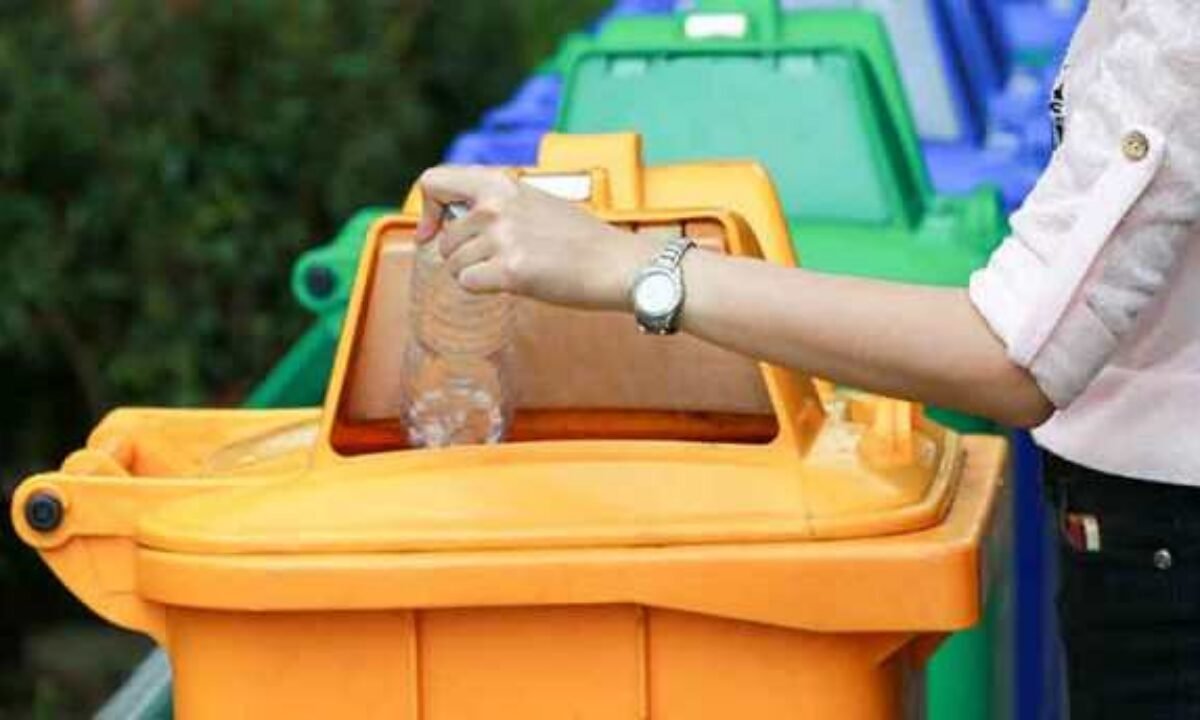
The Nagaland waste segregation policy has entered a new phase with the state government mandating a strict 4-stream waste segregation system across all urban areas. The initiative aims to improve waste management practices, increase recycling efficiency, and reduce the burden on landfills. Moreover, authorities have emphasized immediate micro-level waste processing and recycling to create cleaner towns and promote sustainable environmental practices throughout the state.
67 Illegal Weapons Recovered in Manipur
Assam Murder Case Encounter Sparks Debate
Nagaland Introduces Mandatory 4-Stream Waste Segregation
The Nagaland Government has made 4-stream waste segregation compulsory across all towns as part of its broader waste management strategy. The policy requires households, businesses, institutions, and public establishments to separate waste into designated categories.
Moreover, the move reflects the state’s commitment to building a cleaner and more sustainable urban environment. Proper segregation at the source remains one of the most effective ways to improve waste handling and recycling.
Consequently, local bodies will play a crucial role in implementing the new system.
Understanding the 4-Stream Waste System
The 4-stream waste segregation model focuses on categorizing waste into separate streams for efficient collection, processing, and recycling. This approach helps reduce contamination and improves the recovery of reusable materials.
Furthermore, segregated waste is easier to manage because authorities can direct each category to the appropriate treatment or recycling facility. Effective sorting at the source significantly enhances overall waste management outcomes.
As a result, municipalities can improve operational efficiency while reducing environmental impact.
Strong Focus on Recycling
A major objective of the policy is to strengthen recycling efforts at the community level. Recycling helps recover valuable materials that might otherwise end up in dumping grounds or landfills.
Moreover, increased recycling can reduce pressure on waste disposal infrastructure and support a circular economy. Communities that recycle effectively often experience cleaner surroundings and improved resource utilization.
Therefore, recycling remains a central pillar of the initiative.
Importance of Micro-Level Waste Management
The government has placed special emphasis on micro-level waste processing and recycling. Managing waste closer to its source often improves efficiency and reduces transportation requirements.
Furthermore, decentralized waste management systems can encourage greater public participation and community ownership. Localized solutions frequently deliver faster and more sustainable results.
Consequently, micro-level interventions form a key component of the strategy.
Reducing Environmental Pollution
Improper waste disposal can contribute to environmental degradation, including soil contamination, water pollution, and litter accumulation. Effective segregation and recycling help address these challenges.
Additionally, better waste management practices can reduce the volume of waste reaching landfills and open dumping sites. Cleaner waste streams support healthier ecosystems and improved environmental quality.
As a result, the policy aligns with broader environmental protection goals.
Role of Urban Local Bodies
Urban local bodies will play an important role in implementing and monitoring the new segregation system. Municipal authorities are responsible for organizing collection systems, raising awareness, and ensuring compliance.
Moreover, local administrations can help educate residents about proper segregation methods and recycling practices. Effective municipal participation often determines the success of waste management programs.
Therefore, coordination between communities and local authorities remains essential.
Public Participation Is Crucial
The success of the policy depends heavily on active participation from residents, businesses, and institutions. Waste segregation begins at the source, making public cooperation a critical factor.
Furthermore, awareness campaigns and educational initiatives can help citizens understand the benefits of proper waste sorting. Community involvement often leads to higher compliance and better outcomes.
Consequently, public engagement will remain a priority.
Economic Benefits of Recycling
Recycling not only supports environmental sustainability but also creates economic opportunities. The recycling sector can generate employment in collection, processing, sorting, and material recovery activities.
Moreover, recovered materials often have commercial value, contributing to local economic activity. Efficient recycling systems can therefore produce both environmental and financial benefits.
As a result, the policy may support green economic development.
Supporting Sustainable Urban Development
Sustainable urban development requires effective waste management systems capable of handling growing populations and consumption patterns. Segregation and recycling help create cleaner and more resilient urban environments.
Furthermore, modern waste management practices contribute to improved public health and quality of life. Cities that manage waste efficiently often experience better environmental outcomes.
Therefore, the policy supports long-term urban sustainability objectives.
Looking Ahead
Authorities are expected to intensify awareness campaigns and strengthen monitoring mechanisms to ensure successful implementation of the 4-stream segregation system. Local bodies may also expand infrastructure needed for collection and recycling.
Moreover, continued cooperation between government agencies, communities, and waste management stakeholders will remain essential. Effective implementation can significantly improve waste management standards across Nagaland.
Consequently, the policy could become a model for sustainable waste management initiatives in the region.
Conclusion
The Nagaland waste segregation policy marks a significant step toward cleaner towns and more sustainable waste management practices. By mandating a 4-stream segregation system and prioritizing micro-level recycling, the state aims to reduce environmental pollution, improve resource recovery, and strengthen community participation.
As implementation progresses, the initiative has the potential to transform urban waste management while promoting environmental responsibility and sustainable development. The policy underscores Nagaland’s commitment to building a cleaner and greener future.
FAQs
What is the Nagaland waste segregation policy?
It is a mandatory 4-stream waste segregation system introduced across all towns in the state.
Why is waste segregation important?
Segregation improves recycling efficiency, reduces landfill waste, and supports environmental protection.
What is the focus of the new policy?
The policy emphasizes source-level segregation and immediate micro-level waste recycling.
Who must follow the policy?
Households, businesses, institutions, and other establishments are expected to comply with the guidelines.
How can the policy benefit communities?
It can improve cleanliness, enhance recycling, reduce pollution, and support sustainable urban development.