


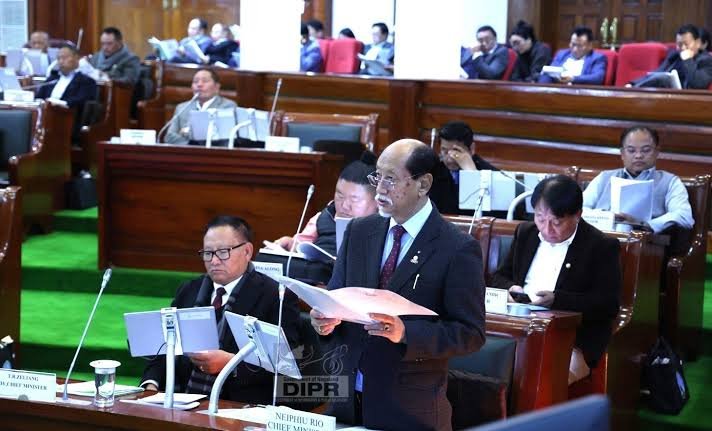
The Nagaland government cleared ₹15 crore on August 21 for infrastructure development across the state’s newly elected Urban Local Bodies (ULBs).
The funding aims to strengthen urban infrastructure and support development projects in municipalities that recently received elected local representatives. Moreover, the allocation could help ULBs address essential infrastructure requirements and improve services for urban residents.
The decision marks an important step toward strengthening local urban governance in Nagaland.
Assam Green Energy Project: Cabinet Clears 30 MW Solar Plant and 25 MW BESS in Goalpara
Nagaland Approves ₹15 Crore Allocation
The state government approved ₹15 crore for infrastructure development across newly elected Urban Local Bodies.
The funding provides ULBs with additional resources to undertake development-related activities. Furthermore, the allocation can help local bodies address infrastructure needs based on the requirements of individual urban areas.
The decision comes after the election of new representatives to Nagaland’s urban local bodies.
Supporting Newly Elected ULBs
Newly elected local bodies need adequate financial resources to translate local priorities into development projects.
The government funding can provide greater capacity for municipalities to begin or support infrastructure initiatives. Additionally, stronger financial support can help elected representatives respond more effectively to concerns raised by residents.
The allocation therefore strengthens the operational foundation of the new ULBs.
Focus on Urban Infrastructure
Urban infrastructure plays an important role in the daily lives of residents.
Municipalities require adequate infrastructure to support growing communities and maintain essential public facilities. Moreover, targeted government funding can help local bodies improve infrastructure according to their specific requirements.
The ₹15 crore allocation is consequently expected to contribute to urban development across participating ULBs.
Strengthening Local Governance
Financial resources can help elected local institutions function more effectively.
When municipalities have access to development funds, they can plan and implement projects closer to the communities they serve. Furthermore, local representatives can identify area-specific priorities and coordinate their implementation through municipal institutions.
The funding therefore has significance for both infrastructure and decentralised governance.
Potential Benefits for Urban Residents
Improved municipal infrastructure can directly influence the quality of urban life.
Development projects can address local infrastructure gaps and improve public spaces and municipal facilities. Additionally, stronger infrastructure can support the broader economic and social development of urban communities.
The eventual benefits will depend on how effectively the newly elected ULBs utilise the available funding.
Importance of Proper Fund Utilisation
Government funding requires careful planning and transparent utilisation.
Municipal authorities will need to identify priority projects and ensure that resources reach intended infrastructure works. Moreover, effective monitoring can help prevent delays and ensure that projects deliver meaningful benefits to residents.
Good financial management will therefore remain essential.
New ULBs Take on Greater Responsibility
The newly elected Urban Local Bodies now have an opportunity to translate their electoral mandates into visible development.
Access to additional funding can help representatives begin addressing infrastructure priorities. Furthermore, cooperation between municipalities and the state government can improve coordination on larger urban-development initiatives.
The funding could consequently support the transition from newly elected councils to active local governance.
Urban Development Across Nagaland
Nagaland’s urban areas have different infrastructure requirements based on their size, geography, and population.
A flexible allocation can allow individual ULBs to prioritise projects according to local conditions. Additionally, decentralised implementation can help municipalities focus on issues that residents identify as most urgent.
This approach could make the infrastructure investment more responsive to local needs.
Need for Timely Implementation
The impact of the ₹15 crore allocation will depend heavily on timely project execution.
Delays in planning, approvals, procurement, or construction can reduce the effectiveness of infrastructure funding. However, efficient coordination between state departments and ULBs can help accelerate implementation.
Local bodies will therefore need to maintain clear project timelines.
What Happens Next?
The newly elected ULBs are expected to identify infrastructure priorities and proceed with projects supported by the government allocation.
Municipal authorities will need to follow applicable financial and administrative procedures while implementing the works. Moreover, effective monitoring can help ensure that the ₹15 crore allocation produces tangible improvements across urban areas.
The coming months will show how effectively the new councils convert the funding into completed infrastructure projects.
Conclusion
The Nagaland government’s approval of ₹15 crore on August 21 provides an important financial boost to newly elected Urban Local Bodies for infrastructure development.
Moreover, the allocation can strengthen municipal capacity, support local development priorities, and improve urban infrastructure. At the same time, transparent fund utilisation, timely implementation, and effective monitoring will determine the programme’s overall impact.
Overall, the ₹15 crore allocation represents a significant opportunity for Nagaland’s newly elected ULBs to strengthen urban infrastructure and deliver more responsive local governance.
FAQs
1. How much funding did Nagaland approve?
The government approved ₹15 crore for infrastructure development.
2. When was the funding cleared?
The allocation was cleared on August 21.
3. Who will receive the funding?
The funds are intended for newly elected Urban Local Bodies (ULBs) across Nagaland.
4. What is the funding intended for?
The allocation will support urban infrastructure development and related local development projects.
5. Why is the funding important?
It can give newly elected ULBs greater financial capacity to address local infrastructure needs and strengthen urban governance.