


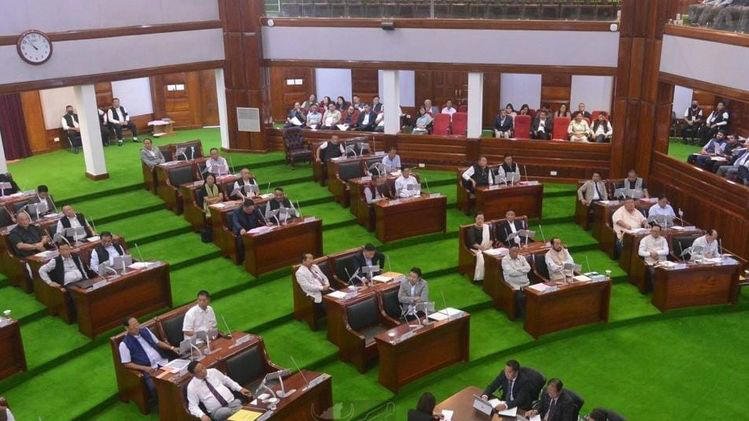
Nagaland has embarked on a transformative journey to strengthen its education system with the launch of the SOAR mission. The initiative, designed to bridge skill gaps and prepare students for future opportunities, marks a decisive step toward modernizing the state’s learning landscape. With this move, Nagaland is placing education reform at the center of its development strategy.
Read More: Bigg Boss 19: Farhana Bhatt, Kunickaa Sadanand clash
SOAR Mission: A New Vision for Education
The Nagaland SOAR mission is built around creating practical and future-oriented learning. It aims to close the existing gap between academic knowledge and workplace needs. By introducing modern teaching methods and digital tools, the government plans to equip students with skills that are essential in today’s fast-changing world.
One of the major goals of the SOAR mission is to make education more inclusive. Nagaland seeks to ensure that students from both urban and rural areas have equal access to quality resources. This balanced approach will allow young people to explore not only traditional academic paths but also skill-based learning that can lead to jobs and entrepreneurship.
Bridging Skill Gaps with Training and Innovation
Nagaland has identified the pressing challenge of skill shortages across industries. The SOAR mission directly addresses this issue by promoting vocational training, technical education, and life skills development. Through this framework, students will gain exposure to fields such as digital literacy, problem-solving, and communication.
By introducing innovative curriculum updates, the mission also encourages creativity and critical thinking. Teachers will receive training to adapt to modern techniques, ensuring that classrooms foster active learning rather than rote memorization. With the Nagaland SOAR mission, the government is signaling a shift from theory-heavy models to more practical, skill-driven education.
Digital Tools and Partnerships for Growth
Technology will play a crucial role in the SOAR mission’s success. Digital classrooms, e-learning modules, and smart labs will become integral parts of schools and colleges. The state government is working with national and international partners to bring in expertise, funding, and resources to strengthen the mission’s reach.
Private organizations, NGOs, and skill development agencies are expected to collaborate under this initiative. Such partnerships will ensure that the Nagaland SOAR mission remains relevant and aligned with the fast-changing global workforce demands. This collaborative model also boosts the chances of creating employment opportunities for students in emerging industries.
Long-Term Impact of the SOAR Mission
The long-term vision of the Nagaland SOAR mission is to build a strong, employable, and self-reliant youth population. Students trained under this program will be better prepared for higher education, entrepreneurship, and professional careers. The focus on hands-on experience will reduce the mismatch between classroom learning and real-world skills.
Furthermore, the mission strengthens Nagaland’s efforts to contribute to India’s broader national education goals. By empowering young people, the state also enhances its potential for economic growth and social progress. Parents and communities will benefit from a future workforce that is ready to adapt, innovate, and lead.
The Nagaland SOAR mission represents more than just an education reform. It is a bold commitment to bridge skill gaps, create equal opportunities, and prepare students for tomorrow’s challenges. Through its emphasis on inclusivity, digital tools, and partnerships, the mission holds the promise of transforming the state’s educational environment. As Nagaland moves forward, the SOAR initiative is set to play a defining role in shaping its next generation of leaders and innovators.
Read More: 5 Best Juices for Hair Growth: Amla to Beetroot Drinks