


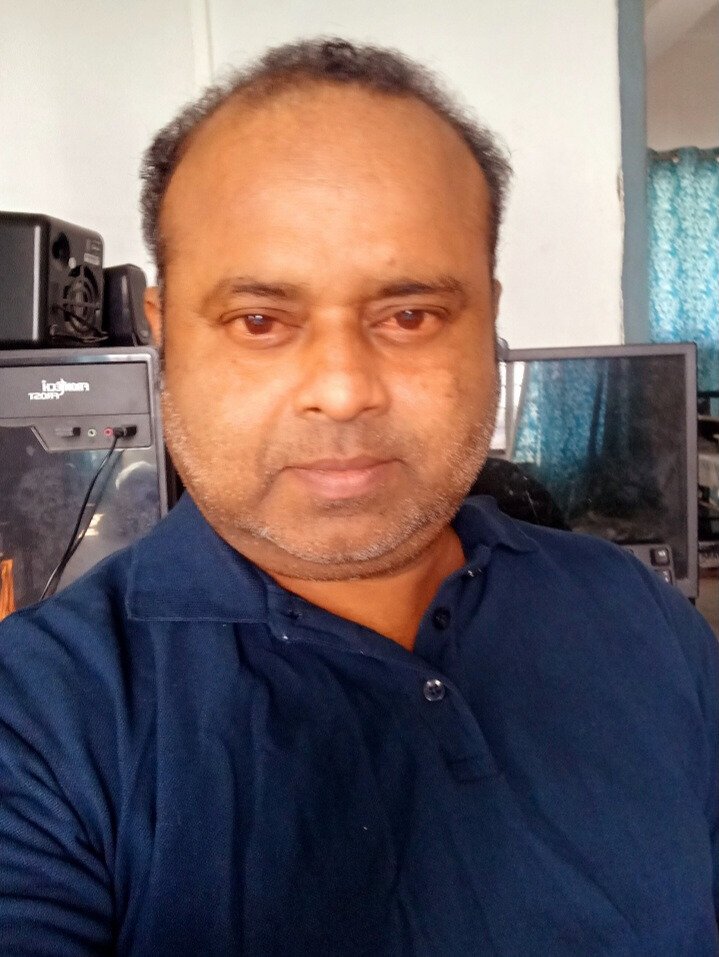
For author and resilience advocate Hasainul Choudhury, the New Year did not begin with celebrations or resolutions. Instead, it began in a hospital ward.
Choudhury was hospitalised for four days after suffering from high fever, infection, and elevated creatinine levels. Following timely medical intervention, his condition stabilised and he has since recovered. Rather than viewing the episode with distress, he described it as an important health wake-up call. Doctors have advised him to remain especially cautious about his health throughout the year.
“This New Year became a health alarm for me,” Choudhury said in an interview. “It was a reminder that life gives warnings—and we must listen.”
He appealed to the public to prioritise yearly health check-ups, stressing that discipline and preventive care are essential. He noted that if patients with end-stage diseases and severe challenges can extend their lifespan through medical discipline, then healthy individuals can lead longer, healthier, and more productive lives through regular check-ups, exercise, and timely treatment.
A Personal Crisis, A Public Message
Choudhury, known for openly documenting his prolonged medical journey involving organ failure, dialysis, transplant complications, and near-death episodes, said the incident reinforced lessons he has consistently shared through his writing.
“I didn’t begin 2026 with celebrations. I began it with a wake-up call,” he said. “With the grace of the Almighty and the dedication of my doctors, the infection was brought under control. I am deeply grateful to God and to every person who stood by me during those days.”
He emphasised that delayed treatment could have resulted in serious consequences.
“My sincere message to everyone is simple,” he said. “If you notice serious symptoms, don’t delay treatment. The sooner you consult a doctor, the faster you recover. And please—make yearly health check-ups a habit. Prevention is always better than cure.”
When Illness Redefines Success
The episode comes at a time when Choudhury has been actively writing and speaking about discipline, consistency, and resilience—what he describes as “success during critical illness”, a theme central to his work and his book A Story of Hope in Times of Crisis.
Through his life and writing, Choudhury has consistently challenged the idea of surrendering to disease or viewing critical illness only through sympathy. He encourages patients to strictly follow medical guidelines, remain disciplined, and maintain a positive mindset.
“End-stage disease should not be seen only as death or despair,” he said. “It can be transformed into meaningful contribution to society.”
“Thinking about success while critically ill may seem impossible,” he added. “When the body is fighting for life, progress and achievement feel irrelevant. The only question becomes—how do I survive?”
Yet, he believes survival itself is a powerful form of success.
“End-stage disease should not be the end of life,” Choudhury said. “It should be the beginning of life.”
According to him, success during illness is not measured by productivity or recognition, but by endurance, discipline, and mental strength.
“Surviving each day, staying mentally stable, and following treatment—these are powerful achievements,” he said.
Drawing from personal experience and interactions with fellow patients, Choudhury highlighted the importance of setting micro-goals during recovery.
“Sitting up. Walking five steps. Reading one page,” he explained. “Each small win rebuilds confidence.”
He also stressed the importance of acceptance.
“If your old strengths have reduced, adapt,” he said. “Take new responsibilities. Start something you enjoy—writing, painting, blogging, or any activity that brings you happiness. Consistency builds confidence. Acceptance prevents emotional collapse.”
Faith, Support, and Discipline
Choudhury credits his recovery not only to medical science, but also to faith and human support.
“Recovery becomes easier with family, friends, doctors, and support groups,” he said. “Open conversations reduce emotional strain. Patients with strong support systems fight harder.”
He believes mindset plays a significant role in healing.
“I remind myself daily: I am not defeated. My survival is my greatest success. Pain is real—but hope is also real.”
Words From His Book, Words for 2026
Reflecting on the New Year, Choudhury shared a passage from A Story of Hope in Times of Crisis that he believes resonates deeply with those facing critical health conditions:
“Unfortunately, no matter how hard I tried to prove my mettle as a capable manager, I was always cloaked in the merciless attire of ailments and weakness.
Throughout history, many powerful kings conquered vast areas of our planet, yet surrendered to the mysterious force of critical disease.
To emerge victorious, I had to demonstrate that love, faith, self-control, and resilience could lengthen our life.”
Writing as Purpose and Advocacy
Choudhury says his focus remains on creating meaningful social impact through his work and writing. He describes writing as his “narrative therapy.” He has completed his second novel manuscript and has already begun work on his third.
Beyond literature, Choudhury advocates for greater social sensitivity toward invisible disabilities—conditions that often go unnoticed but deeply affect lives.
“An end-stage disease is not the end of life,” he said. “With rehabilitation, resilience, and community support, individuals can rebuild purpose and contribute meaningfully to society.”
He appeals for compassion in healthcare systems, workplaces, and communities, emphasising that survivors deserve dignity and partnership, not pity.
As he steps into 2026, Choudhury says his priorities are clear.
“This year is about gratitude, discipline, and listening to my body,” he said. “Illness is not always an ending. Sometimes, it is a reset.”
He leaves readers with a quiet but firm reminder:
“Your illness is not the end—it can be a new beginning. Every small step today can become a big comeback tomorrow.”
Website: www.hasainulchoudhury.com