


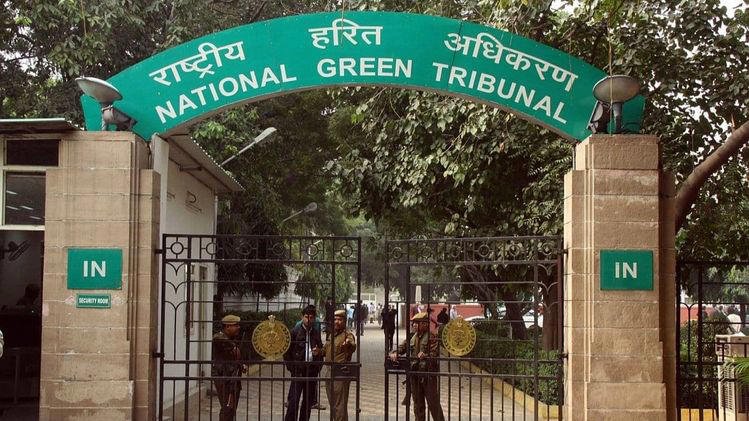
The National Green Tribunal (NGT) has instructed the Mizoram government to submit updated reports on its solid waste and sewage management systems. The directive came after the tribunal reviewed the state’s limited progress on waste disposal and environmental protection. The NGT emphasized the importance of sustainable waste management to prevent further environmental degradation.
Read More: Tripura Launches Food Support Scheme for TB Patients
NGT’s Fresh Directive to Mizoram
During a recent hearing, the NGT bench noted that Mizoram had failed to fully comply with earlier orders related to waste and sewage control. The bench expressed concern that several towns in the state were still struggling with inadequate waste treatment facilities. It also observed that untreated sewage continued to pollute rivers and water bodies across the region.
The NGT has now ordered Mizoram to file a detailed report outlining its progress in handling solid and liquid waste. The state must submit data on landfill operations, waste segregation systems, and sewage treatment capacity. The report must also highlight new initiatives and the current status of waste management infrastructure.
The bench set a strict timeline for compliance, asking the state government to submit the reports before the next hearing. The tribunal warned that failure to adhere to the directive could invite penalties under the provisions of the National Green Tribunal Act.
Focus on Environmental Sustainability
The tribunal stressed that proper waste and sewage management is essential for the protection of Mizoram’s fragile ecosystem. The state’s hilly terrain and high rainfall make it vulnerable to landslides and water contamination, especially in areas where waste is dumped without treatment.
Experts say that poor waste handling has already impacted rivers and local biodiversity. Untreated sewage has entered freshwater streams, affecting aquatic life and posing health risks to nearby communities. The NGT has urged the Mizoram government to prioritize the construction of sewage treatment plants (STPs) and ensure proper waste segregation at the source.
The tribunal also directed the State Pollution Control Board to carry out inspections and submit independent assessments. These reports will help verify whether urban local bodies are complying with the Solid Waste Management Rules, 2016, and other environmental norms.
Government’s Response and Challenges
Officials from Mizoram’s Urban Development and Health departments have acknowledged the NGT’s observations. They stated that the government has already begun reviewing existing waste management mechanisms in major towns like Aizawl, Lunglei, and Champhai.
However, authorities pointed out that the state faces logistical and financial challenges. The mountainous landscape makes waste collection and transportation difficult. Moreover, limited funds and technical expertise have delayed the establishment of treatment plants.
Despite these hurdles, the government has assured the tribunal that it is working on developing scientific waste disposal systems. Plans include setting up decentralized waste collection centers, composting units, and bio-methanation plants to reduce landfill dependency.
NGT’s Nationwide Monitoring of Waste Management
The NGT’s action against Mizoram is part of a larger nationwide effort to ensure proper waste management. The tribunal has been monitoring states across India to enforce compliance with environmental standards. It has issued similar orders to several other northeastern states, where waste management continues to be a growing concern.
In recent years, the NGT has played a major role in pushing states to adopt cleaner waste disposal methods. It has also emphasized the need for local participation and awareness campaigns to encourage waste segregation and recycling.
Environmental activists believe that Mizoram’s compliance with the tribunal’s order will set a precedent for other northeastern states. If implemented effectively, the move could help reduce pollution and enhance public health across the region.
The Way Forward for Mizoram
To meet the NGT’s directives, Mizoram will need to strengthen coordination between its municipal bodies and pollution control agencies. Authorities must also conduct regular training programs for waste management workers and promote household-level segregation.
The state is expected to explore partnerships with private agencies for advanced waste treatment solutions. Introducing incentives for recycling and penalties for littering may also encourage community participation. Additionally, expanding awareness campaigns will help citizens understand their role in maintaining a clean environment.
Environmental experts suggest that Mizoram should focus on long-term planning rather than temporary fixes. Adopting a sustainable model that combines modern technology with community-driven initiatives will be key to solving the waste problem.
As the NGT continues to monitor the case, Mizoram’s next report will determine the pace and seriousness of its commitment. The state’s ability to balance development with environmental responsibility will likely define its future path toward ecological sustainability.
Read More: Indian Army commemorates Infantry Day with tributes at National War Memorial