


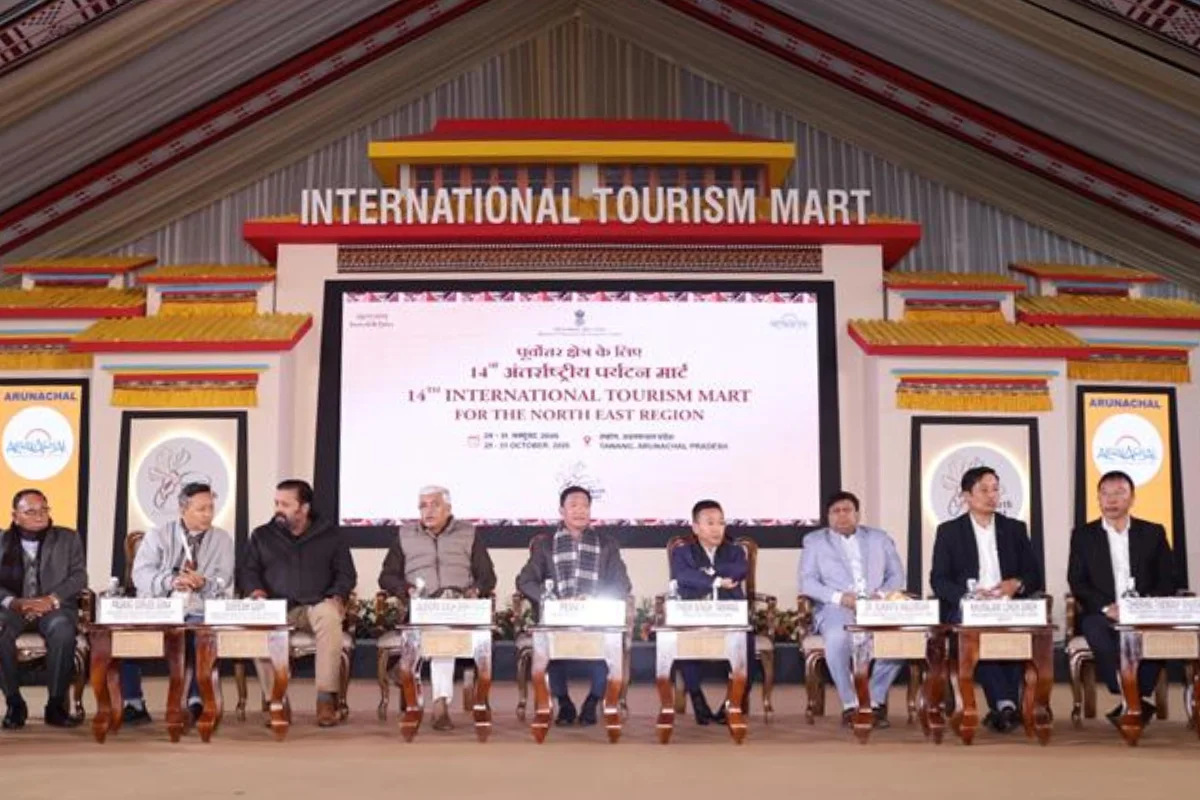
The Northeast Bazaar cultural showcase will bring the traditional arts, handicrafts, textiles and culinary diversity of India’s eight northeastern states into the spotlight during the 14th International Tourism Mart (ITM) in Tawang, Arunachal Pradesh. Scheduled to open on October 29, 2026, the bazaar will form a key part of the three-day tourism event at Hotel Vivanta, Tawang. Organised by the Union Ministry of Tourism in collaboration with the Arunachal Pradesh government and other northeastern states, the event aims to introduce visitors to the region’s cultural heritage while creating opportunities for tourism businesses, artisans and local entrepreneurs.
Northeast Organic Spice Exports Gain Opportunities in European Markets
Northeast Bazaar Cultural Showcase Opens in Tawang
The Northeast Bazaar cultural showcase will serve as a platform for presenting the region’s cultural identity to domestic and international tourism stakeholders. The bazaar will be inaugurated as part of the opening programme of the 14th International Tourism Mart, which runs from October 29 to 31.
Union Tourism and Culture Minister Gajendra Singh Shekhawat, Minister of State for Tourism Suresh Gopi and Arunachal Pradesh Chief Minister Pema Khandu are expected to attend the inaugural programme. Cultural performances will accompany the opening and highlight the traditions of the northeastern region.
The International Tourism Mart is an annual initiative of the Ministry of Tourism. It promotes the region’s tourism potential in Indian and international markets while bringing together tour operators, travel businesses, government representatives and other industry stakeholders.
This year’s event is expected to attract more than 200 participants, including 43 international buyers from 22 countries. Their participation offers an opportunity to introduce regional tourism products to overseas markets and encourage partnerships between travel businesses.
The bazaar will complement destination presentations from all eight northeastern states: Arunachal Pradesh, Assam, Manipur, Meghalaya, Mizoram, Nagaland, Sikkim and Tripura. Each state brings distinctive cultural traditions, artistic practices, landscapes and culinary experiences to the wider regional identity.
Moreover, the event can help visitors understand the Northeast as a collection of diverse destinations rather than a single tourism market. Its communities maintain different languages, customs, crafts and food traditions, making regional representation particularly important.
By bringing these traditions together, the bazaar aims to connect cultural heritage with tourism promotion. It also provides a setting in which visitors and industry representatives can discover products and experiences that may support future travel itineraries.
Traditional Arts, Handicrafts and Textiles Take Centre Stage
Traditional arts and textiles will form a central part of the bazaar’s cultural presentation. Across the eight northeastern states, artisans preserve skills in weaving, embroidery, bamboo and cane work, woodcraft, pottery and other forms of handicraft production.
Handwoven textiles, in particular, reflect the cultural identities of many communities. Traditional garments, shawls, wraps and woven fabrics often feature distinctive patterns, colours and techniques passed between generations.
The bazaar will highlight these forms of craftsmanship and give visitors an opportunity to appreciate the work behind regional products. For international buyers and tourism businesses, such displays can also reveal opportunities to collaborate with artisans and promote locally made goods.
Handicrafts offer more than decorative value. They can provide livelihoods for craft workers, household enterprises and community-based businesses. Therefore, presenting these products to a wider audience may help artisans reach new customers and develop commercial relationships.
However, lasting benefits depend on fair purchasing practices, reliable market access and recognition of the people who create the products. Tourism promotion can support traditional crafts most effectively when artisans receive appropriate returns for their work and retain control over their cultural knowledge.
The event may also encourage visitors to look beyond mass-produced souvenirs. Products with a clear connection to local communities can help travellers understand the region’s history, artistic traditions and everyday life.
Furthermore, cultural displays can encourage tourism operators to include craft workshops, local markets and artisan visits in their travel packages. Such experiences can create direct links between visitors and the communities that sustain traditional skills.
The Northeast’s cultural diversity makes this approach particularly relevant. While some craft traditions share broad similarities, each state and community brings its own techniques, designs and meanings. The bazaar can help communicate these distinctions to visitors while supporting wider awareness of the region’s artistic heritage.
Regional Cuisine Highlights the Northeast’s Culinary Diversity
Food will provide another important way for delegates to experience the Northeast’s cultural diversity. Regional cuisines reflect local ingredients, agricultural practices, climate, community customs and long-standing food traditions.
The bazaar will feature regional cuisines alongside cultural performances and displays of traditional arts. This combination will allow visitors to explore the region through several aspects of everyday life rather than relying only on destination presentations.
Northeastern cuisine includes a wide range of dishes and cooking methods. Ingredients such as rice, seasonal vegetables, herbs, fish and meat feature differently across communities, while local preparation methods create distinctive flavours and textures.
For example, Arunachal Pradesh offers traditional Monpa dishes such as zan, thukpa and gyapa khazi. Assam is known for its diverse rice-based dishes and regional preparations, while Tripura’s culinary traditions include dishes associated with indigenous communities. Other northeastern states also maintain distinct food cultures shaped by local produce and customs.
These examples illustrate the breadth of the region’s culinary heritage. However, no single menu can represent every community or capture the full diversity of its food traditions.
Culinary tourism can also support local producers and hospitality businesses. Restaurants, food vendors, farmers and small enterprises may benefit when visitors show greater interest in regional ingredients and traditional dishes.
Additionally, food experiences can encourage longer interactions between travellers and local communities. Visitors who explore local cuisine may also become interested in traditional markets, agricultural practices, festivals and cultural events.
The bazaar’s culinary displays can therefore help position food as an important part of the Northeast’s tourism offering. For tourism operators, regional cuisine may provide another way to design distinctive itineraries and encourage travellers to explore more than one state.
Nevertheless, businesses must present food traditions accurately and respectfully. Clear information about ingredients, preparation and cultural context can improve visitor understanding while acknowledging the diversity within each state.
Tourism Mart Seeks Opportunities for Artisans and Local Businesses
The bazaar forms part of a broader effort to strengthen tourism partnerships and expand the Northeast’s presence in domestic and international markets. The International Tourism Mart will include business-to-business sessions on October 30, connecting buyers with tourism service providers from the region.
These sessions will allow participants to discuss potential collaborations, develop tourism products and improve market access. Although the bazaar focuses on cultural experiences and regional products, it can complement these commercial discussions by introducing buyers to the communities and traditions behind the region’s tourism offerings.
The event also includes presentations from all eight northeastern states. These presentations will highlight destinations, tourism experiences and opportunities to develop combined regional circuits.
Such cooperation can encourage visitors to explore multiple destinations during a single trip. For example, travel businesses could combine cultural experiences, nature-based activities, historical sites and culinary visits across neighbouring states, depending on travel time and visitor interests.
The tourism mart will also feature technical discussions on the live-events and concert economy, as well as access to protected and restricted areas. A Royal Enfield presentation titled “Beyond Destinations: Creating Immersive Journeys in North East India” will explore experience-based tourism.
Together, these activities reflect a wider approach to tourism promotion. Instead of focusing exclusively on well-known attractions, the event seeks to draw attention to experiences, local businesses and cultural traditions that can enrich a visitor’s journey.
The bazaar’s potential economic impact will depend on what happens after the event. Continued partnerships, fair opportunities for artisans and effective promotion of local products will be important in converting exposure into lasting benefits.
The International Tourism Mart also returns to Tawang after 13 years. The town last hosted the event’s second edition in 2013, while the previous edition took place in Gangtok, Sikkim, in November 2025.
By hosting the event again, Tawang will place its own cultural heritage and Himalayan landscapes before a national and international audience. The bazaar adds a regional dimension to that presentation by bringing together the traditions of all eight northeastern states.
Conclusion
The Northeast Bazaar cultural showcase will highlight traditional arts, handicrafts, textiles and regional cuisine during the 14th International Tourism Mart in Tawang from October 29 to 31, 2026. The initiative will bring together cultural products and experiences from Arunachal Pradesh, Assam, Manipur, Meghalaya, Mizoram, Nagaland, Sikkim and Tripura. It will also complement cultural performances and tourism presentations at the three-day event.
The bazaar offers an opportunity to introduce domestic and international delegates to the region’s artistic traditions and culinary diversity. By connecting these cultural experiences with tourism promotion, organisers aim to create wider interest in regional destinations and locally made products. Artisans, food producers and small businesses could benefit if the event leads to meaningful partnerships and improved market access.
However, long-term success will depend on sustained cooperation and fair opportunities for local communities. Tourism businesses can help preserve traditional skills by working directly with artisans and presenting cultural practices respectfully. As Tawang hosts the International Tourism Mart after a 13-year gap, the bazaar will form part of a wider effort to strengthen the Northeast’s visibility as a diverse cultural and tourism destination.
FAQs
1. What is the Northeast Bazaar?
The Northeast Bazaar is a cultural showcase planned as part of the 14th International Tourism Mart in Tawang. It will highlight traditional arts, handicrafts, textiles and regional cuisines from the eight northeastern states.
2. When and where will the Northeast Bazaar take place?
The bazaar is scheduled to open on October 29, 2026, at Hotel Vivanta in Tawang, Arunachal Pradesh, during the International Tourism Mart running from October 29 to 31.
3. Which states will be represented at the bazaar?
The event will highlight the cultural and tourism offerings of Arunachal Pradesh, Assam, Manipur, Meghalaya, Mizoram, Nagaland, Sikkim and Tripura.
4. How could the bazaar benefit local artisans and businesses?
It could introduce traditional products to new audiences, create business contacts and encourage tourism operators to include local crafts and food experiences in their offerings. Long-term benefits will depend on continued partnerships and fair market access.
5. What is the main objective of the International Tourism Mart?
The mart aims to promote the Northeast as a tourism destination in domestic and international markets, encourage collaboration among tourism businesses and showcase the region’s cultural, natural and adventure tourism offerings.