



The Northeast India cultural festival in Singapore is doing more than entertaining—it’s strategically connecting India’s easternmost region with ASEAN nations. By highlighting traditional crafts, textiles, food, and cultural heritage, the event supports India’s Act East Policy while opening new doors for diplomacy and trade.
This celebration is helping the region step onto the global stage—not just as a cultural treasure, but as a promising economic partner.
What Makes the Northeast India Cultural Festival So Important?
Held at Marina Bay Sands, the event brought together representatives from all eight northeastern states. These included Assam, Manipur, Nagaland, Arunachal Pradesh, Meghalaya, Mizoram, Sikkim, and Tripura. It featured tribal dances, art exhibits, food fairs, and business forums, each emphasizing the region’s authentic identity and commercial potential.
“This festival is a soft power success for India,” noted a senior MEA official. “It bridges communities, promotes trade, and aligns perfectly with our regional strategy.”
READ MORE: Assam Biorefinery Project Completed: EIL Boosts Ethanol Production
A New Hub for Cultural Diplomacy
The festival acts as a diplomatic platform, promoting people-to-people connections and showcasing what the region offers to international markets. It is also helping increase interest in the tourism, textile, and organic food sectors of Northeast India.
Why Singapore and ASEAN Nations Matter
The Northeast India cultural festival directly supports India’s Act East Policy, which aims to increase connectivity with Southeast Asia. Singapore, being a global trade hub, is a strategic gateway.
Economic and Political Gains
The festival has led to:
- B2B connections between Indian producers and ASEAN buyers
- Discussions on bilateral trade in handicrafts and textiles
- Greater visibility for sustainable goods like bamboo-based packaging
Tour operators also used the opportunity to promote locations such as Tawang, Ziro Valley, and Loktak Lake, hoping to attract ASEAN tourists.
Northeast India’s Strengths on Full Display
This wasn’t just a cultural event—it was a business opportunity. Artisans, entrepreneurs, and designers brought their best to the table.
Traditional Textiles Meet Global Fashion
From Mekhela Chadors to Mizo Puans, the textiles of Northeast India turned heads on the Singapore runway. Local weavers demonstrated how handwoven fabrics can fit global fashion trends. Fashion houses in Singapore expressed interest in collaborative design projects.
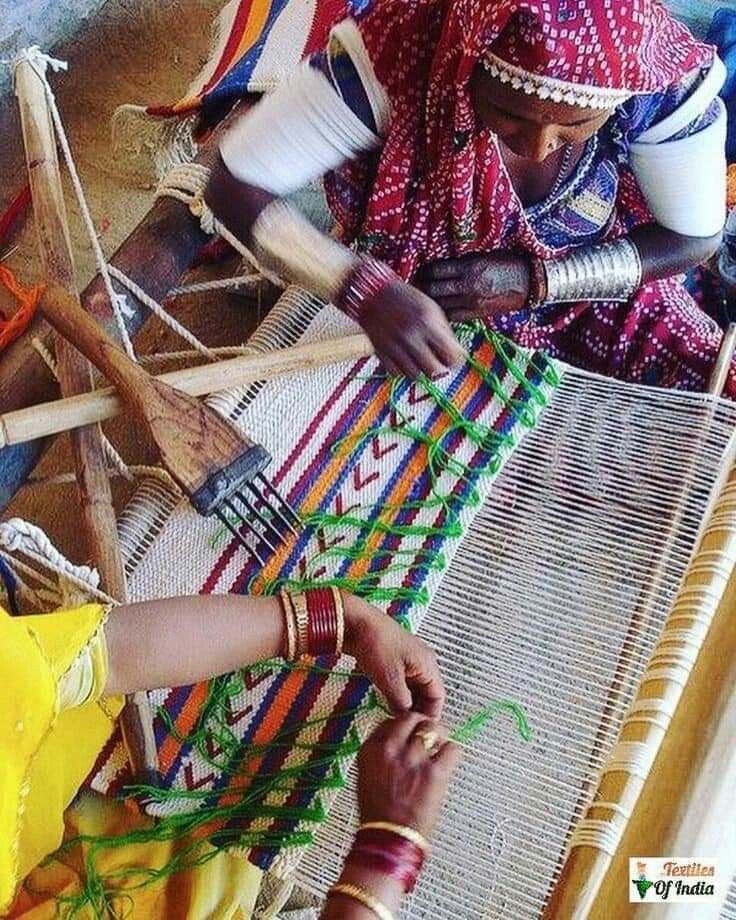
The region’s growing bamboo industry also took the spotlight. Items made from processed bamboo, including furniture, home décor, and eco-friendly packaging, caught investor attention. This aligns with India’s recent launch of the bamboo bio-refinery in Assam.
Traditional Textiles Meet Global Fashion
“The Northeast is no longer a remote frontier—it’s a gateway to the east,” said a trade official from the Ministry of Commerce.
The cultural festival helped show how infrastructure, such as the India-Myanmar-Thailand Highway, can support not just goods—but ideas and culture too.
What’s Holding Back Faster Growth?
While the Northeast India cultural festival was a clear success, some barriers remain:
- Limited air connectivity to ASEAN nations
- Lack of logistics support for rural producers
- Visa challenges for artisans and businesspeople
The Indian government is working to ease these through digital trade platforms, improved road links, and new cultural exchange programs.
Discover, Invest, Collaborate
Whether you’re a policymaker, investor, or global traveler, the Northeast India cultural festival invites you to:
- Discover a lesser-known yet rich part of India
- Invest in sustainable industries and tribal art
- Collaborate with local communities to create global impact
READ MORE: Agartala Police Recover 28 Stolen Phones
This isn’t just a one-off event—it’s part of a larger mission to make the Northeast India region a cultural and economic engine for all of South and Southeast Asia.
The Northeast India cultural festival has proven that culture, when paired with commerce, creates strong bridges. With continued support, this region can become a vital link between India and ASEAN—economically, culturally, and diplomatically.
READ MORE: Tripura : Fake RTO Challan Links Hack WhatsApp Accounts