


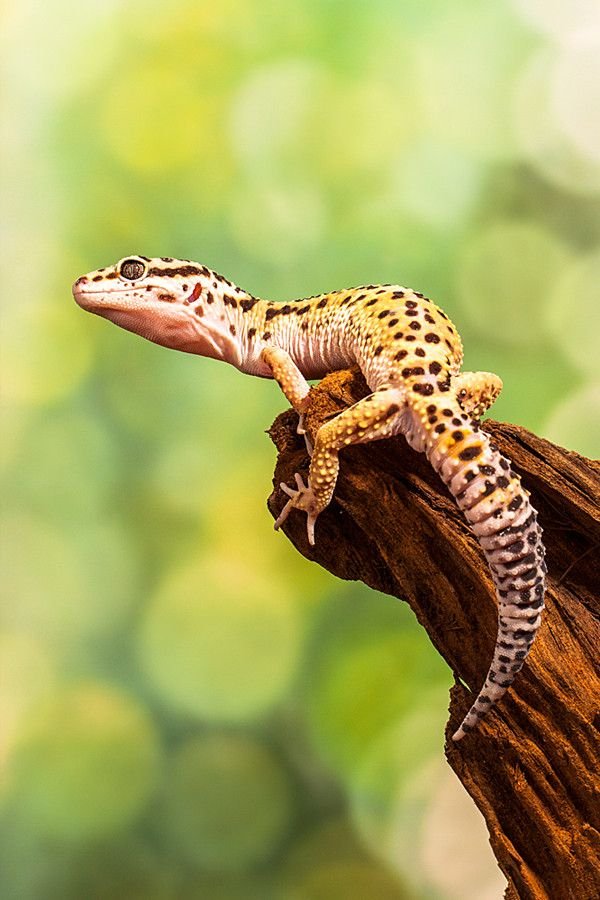
In a major development for wildlife research, a scientific review has found that the region of Northeast India has seen 34 new lizard species described in the past eight years—underscoring how this area has become one of the fastest-growing global hotspots for reptile discovery. The surge in species documentation draws attention to previously under-surveyed forest zones, as well as to the critical need for conservation and habitat protection across states such as Arunachal Pradesh, Nagaland, Manipur and Mizoram.
The keyphrase “northeast India new lizard species” is central to this story, since the discovery of these 34 species places the region firmly on the map for herpetological research and biodiversity significance. With such numbers, the region’s lizard fauna is being re‐assessed in light of new findings.
Unpacking the Numbers – Why 34 Matters
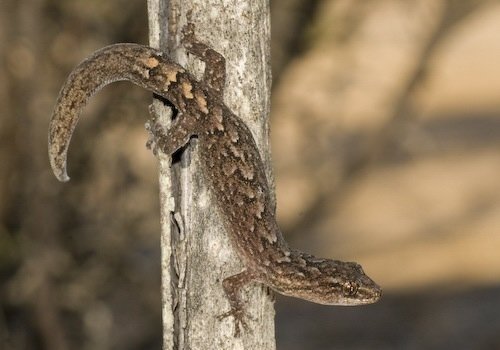
The review indicates that from approximately 201 lizard species known in India, a substantial fraction have emerged from the northeast region alone. Surveys and taxonomic studies in recent years uncovered multiple new species of bent-toed geckos, skinks and agamids in the Indo-Burma biodiversity hotspot. For example, one article reports six new species of the genus Cyrtodactylus from northeast India.
These 34 new species are not just additional list entries—they reflect the region’s ecological uniqueness, the presence of cryptic lineages, and the fact that many habitats remained unexplored until recently. For conservationists, each new species adds both urgency and opportunity.
Regional Hotspots and Highlights
Several specific states in northeast India stand out for recent discoveries. In Arunachal Pradesh and Nagaland, scientists described bent-toed geckos found deep in evergreen forest zones. In Mizoram, a new species of parachute gecko, Gekko mizoramensis, was documented, showing how even small, steeply forested areas yield surprises.
These findings reinforce that northeast India—being part of the eastern Himalayas and Indo-Burma biodiversity zones—is not just rich in overall biodiversity but remains under-surveyed in many pockets. The large number of new species in a short time period suggests that many more discoveries await.
Why This Boom Matters for Conservation and Science
The discovery of 34 new lizard species in northeast India has several implications:
Indicator of Habitat Integrity
Lizards are often sensitive to habitat changes, microclimate shifts and prey-base variations. A thriving lizard fauna suggests intact, functioning ecosystems. Thus, the discovery of many new species in northeast India signals that these ecosystems still harbour high biodiversity value.
Taxonomic and Evolutionary Insights
Many of the newly discovered species belong to genera that show regional endemism. Genetic and morphological work (for example using ND2 gene sequences) document deep evolutionary splits. The work enhances our understanding of how fauna in the Indo-Burma and Himalayan fringes evolved and diversified.
Conservation Priorities
New species often have small ranges and may be immediately vulnerable to threats such as habitat loss, logging, infrastructure development or climate change. Recognising these species early allows conservation action to be better targeted. The northeast region now demands greater monitoring, habitat protection and integration of local knowledge.
Challenges Ahead and What to Watch
Despite the positive news, key challenges remain:
- Many surveys are opportunistic and the absence of complete species lists means unknown gaps persist.
- Infrastructure development, hydropower projects, road‐building and deforestation in northeast India threaten habitats before species can be described.
- Conservation funding and public awareness remain lower in many of these remote areas.
Looking ahead, researchers will focus on documenting ecological behaviour, identifying range limits, and assessing IUCN statuses for these new species. Collaboration with local communities and forest departments will be vital.
Support Biodiversity in Northeast India
For readers, wildlife enthusiasts and conservation advocates: you can play a part.
- Support and read open-access research publications on northeast Indian reptiles and fauna.
- Follow organisations that publish on Indian herpetology, such as the Zoological Survey of India and various university herpetology labs.
- Share stories of least-known fauna to raise public awareness and help build support for habitat protection.
- If you travel in northeast India’s forest zones, support responsible eco-tourism and avoid disturbance of sensitive habitats (e.g., avoid off-trail excursions in lizard-rich zones).
Strong Call to Action
The story of “northeast India new lizard species” is far from over. With 34 species described over just eight years, this region is clearly under-recognized but biologically vital. Scientists, policy-makers and the public must act now to ensure that these newly described species—and many undiscovered ones—are not lost to habitat change.
Join the conversation: share articles, support conservation NGOs working in the eastern Himalayas, and stay curious—because every newly discovered lizard in northeast India is a reminder of how much remains to be understood about our natural world.
Recent reptile discovery news—including Northeast India gecko finds.
READ MORE: National Red Run 3.0: Fitness & Blood Donation Drive in Nagaland