


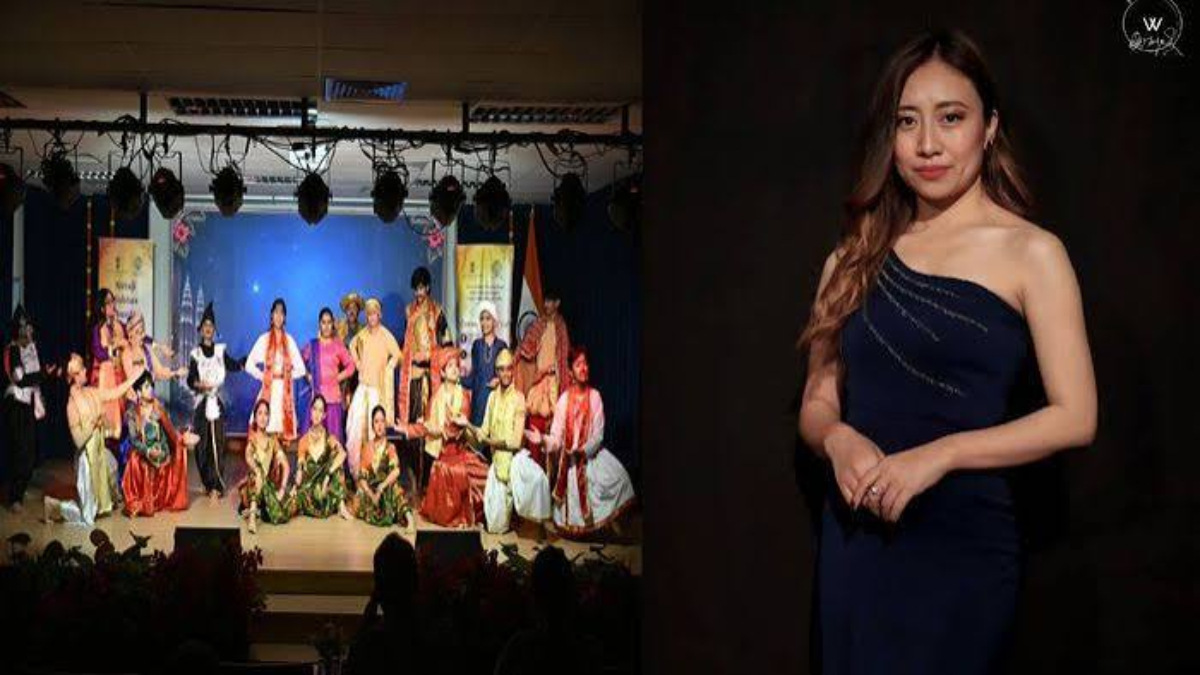
Northeast India’s musical talent gained international exposure at the India-Malaysia International Cultural Festival 2026, which brought together young artists from India, Malaysia and Indonesia for performances and educational programmes. The event highlighted the region’s contribution to music education and cross-cultural exchange.
Organised by India’s Art & Aesthetics Foundation (TAAF), the festival ran from October 17 to 22. It brought together more than 150 students and 50 teachers and principals from six schools, with activities spanning music, dance, visual arts and experiential learning.
Northeast India’s musical talent gains international exposure
A key highlight was a vocal masterclass led by Chanshim Makunga, a New Delhi-based soprano and voice trainer with roots in Nagaland’s music education system. She conducted the session on October 19 at the Faculty of Creative Arts, University of Malaya, offering participants an opportunity to engage with professional vocal training.
Makunga is an alumna of the Nagaland Conservatory of Music. Her specialisations include Western classical and contemporary voice, as well as choral music.
Her participation brought attention to the skills and training developed by musicians from Northeast India. Moreover, the session showed how artists from the region can contribute to international learning environments beyond traditional stage performances.
The masterclass also connected practical music education with the festival’s wider aim of encouraging artistic exchange among young people from different countries.
Northeast India’s musical talent meets global traditions
The festival opened on October 17 at the Netaji Subhash Chandra Bose Indian Cultural Centre in Kuala Lumpur. India’s High Commissioner to Malaysia, Somnath Ghosh, Deputy High Commissioner Hitesh Rajpal, and other cultural representatives attended the inauguration.
Young participants presented classical, folk and contemporary performances during the opening programme. These performances introduced audiences to different artistic traditions while creating opportunities for cultural interaction.
Furthermore, the participation of artists from India, Malaysia and Indonesia placed regional music within a broader international setting. By sharing their work, young performers could learn about different musical approaches and cultural expressions.
The programme demonstrated how music can help people connect across language and national boundaries. It also gave students a platform to present their creativity while learning from their international peers.
Educational exchanges strengthen artistic skills
Beyond the opening ceremony, the festival included performances and educational engagements at the University of Cyberjaya and the University of Malaya. A cultural programme in Ipoh formed another part of the schedule.
Senior artists, gurus and other resource persons contributed to sessions that combined artistic practice with cross-cultural learning. As a result, the festival offered more than a performance platform; it also created opportunities for students to develop their skills.
Additionally, interactions with educators and fellow participants encouraged the exchange of ideas. Such experiences can help emerging artists understand different performance styles, approaches to training and possibilities for future collaboration.
For Northeast India’s musical talent, these international platforms can provide valuable exposure. However, sustained progress also depends on continued training, institutional support and opportunities to perform before diverse audiences.
Northeast India’s musical talent highlights cultural cooperation
The festival brought together arts and education to promote cultural understanding and international friendship. Its activities also highlighted the role of schools, universities and cultural organisations in creating opportunities for young performers.
For artists from Northeast India, participation in international programmes can help widen professional networks and introduce their expertise to new audiences. At the same time, cultural exchange allows participants to appreciate traditions beyond their own communities.
The festival’s combination of concerts, masterclasses and collaborative activities reflected this approach. Rather than focusing only on performances, it encouraged learning and interaction among students and educators.
The participation of Chanshim Makunga was particularly relevant to music education, linking her professional experience with the region’s musical training institutions. Her contribution also illustrated how musicians can share their knowledge internationally.
A wider platform for Northeast India’s musical talent
The India-Malaysia International Cultural Festival 2026 concluded on October 22, marking the end of a six-day programme centred on artistic expression and educational exchange.
Its activities placed Northeast India’s musical talent within an international conversation about creativity, learning and cultural cooperation. The event also underlined the importance of giving young artists opportunities to develop their abilities and engage with different traditions.
As cultural exchanges continue, musicians from the region can benefit from platforms that connect training with performance and international collaboration. Such initiatives can help their work reach wider audiences while encouraging greater appreciation of Northeast India’s diverse musical heritage.
Nagaland tribal bodies raise concerns over Kisama privatisation