


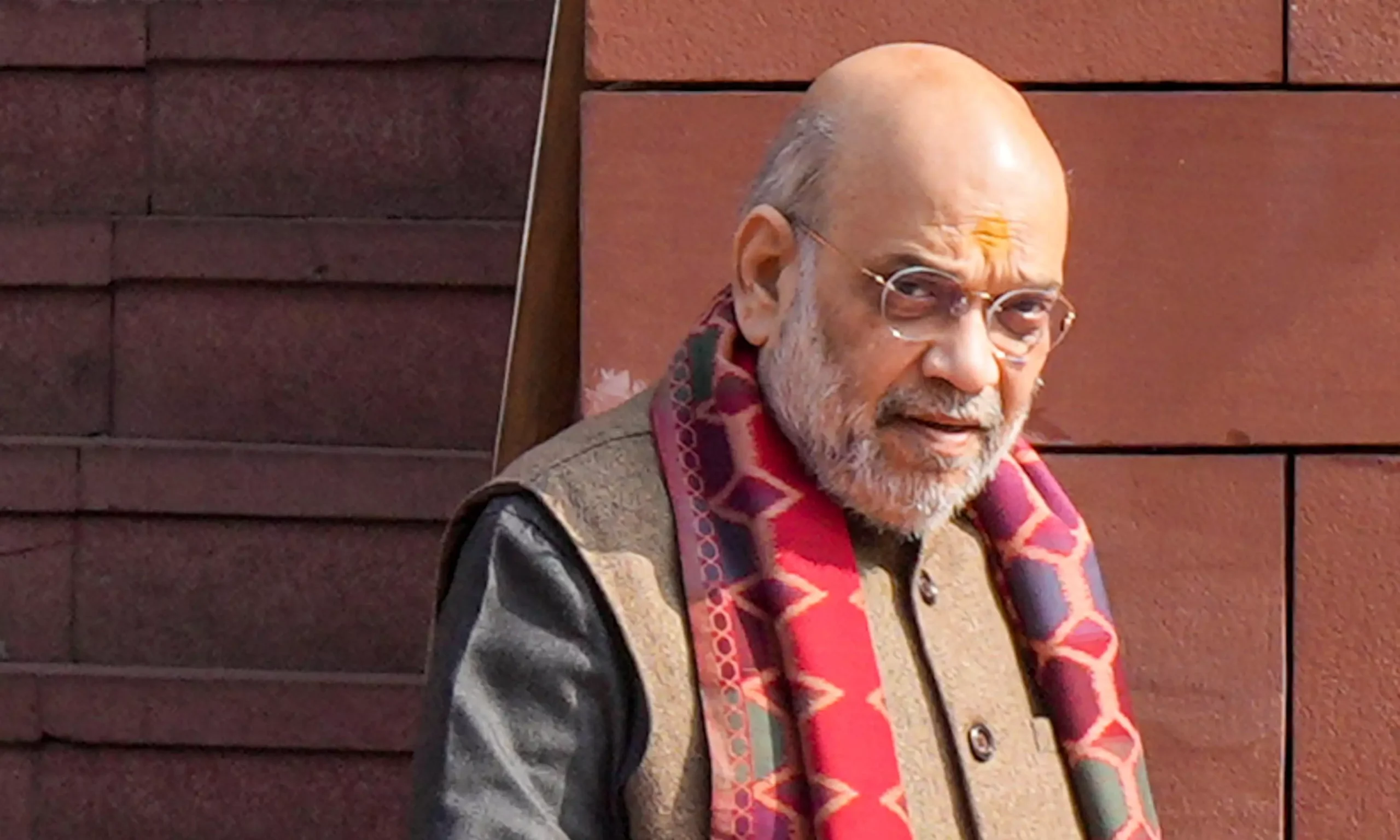
The Northeast sports development roadmap took center stage at the 73rd North Eastern Council (NEC) Plenary Session in Shillong, where Manipur Chief Minister Yumnam Khemchand Singh presented a comprehensive vision for strengthening sports across the eight northeastern states. The proposal emphasized regional cooperation, infrastructure expansion, talent development, and athlete support systems. Moreover, the roadmap highlighted the Northeast’s growing role as one of India’s most productive sporting regions.
Forest Staff Injured During Anti-Smuggling Operation
Football for Peace: Mon District Hosts Special Exhibition Match
Sports Development Featured at NEC Session
The 73rd North Eastern Council Plenary Session in Shillong provided a major platform for discussing the future of sports development in the region.
Moreover, the presentation by Manipur Chief Minister Yumnam Khemchand Singh underscored the importance of creating a coordinated regional strategy to nurture athletic talent and strengthen sporting infrastructure.
Consequently, sports emerged as a significant component of the broader development agenda.
Vision for Regional Sports Growth
The proposed roadmap focuses on enhancing sports opportunities across all northeastern states through collaborative planning and resource sharing.
Furthermore, regional cooperation can help states maximize existing strengths while addressing infrastructure and training gaps. Such an approach may create a more integrated sports ecosystem across the Northeast.
Therefore, the roadmap aims to accelerate long-term sporting growth.
Northeast Continues to Produce Elite Athletes
The Northeast has consistently contributed outstanding athletes to national and international competitions. The region has earned recognition for excellence in football, boxing, weightlifting, archery, athletics, and several other disciplines.
Moreover, strong sporting traditions and community support have helped create a culture that encourages athletic participation.
As a result, policymakers increasingly view sports as a strategic development sector.
Infrastructure Development Remains a Priority
Modern infrastructure plays a critical role in athlete development and competition readiness. Stadiums, training centers, sports science facilities, and coaching academies provide essential support for aspiring athletes.
Furthermore, expanding sports infrastructure can improve access to quality training opportunities throughout the region.
Consequently, infrastructure investment remains a key pillar of the proposed roadmap.
Focus on Talent Identification
Talent identification programs help discover promising athletes at an early age and provide pathways for development.
Moreover, systematic scouting initiatives can ensure that talented individuals from rural and remote areas receive opportunities to compete and progress.
Therefore, talent development strategies feature prominently in the regional vision.
Strengthening Coaching and Training Systems
Athlete success often depends on access to qualified coaches and structured training programs. Improving coaching standards can significantly enhance performance outcomes.
Furthermore, specialized training systems help athletes develop technical skills, physical fitness, and competitive experience.
As a result, coaching development remains an important area of focus.
Opportunities for Youth Participation
Expanding sports programs can encourage greater youth participation and promote healthy lifestyles among young people.
Moreover, sports engagement helps develop discipline, teamwork, leadership qualities, and confidence.
Consequently, youth-focused initiatives are expected to play a central role in future development efforts.
Economic and Social Benefits of Sports
Sports development generates benefits beyond competition. Major sporting initiatives can boost tourism, create employment opportunities, and stimulate local economies.
Furthermore, sports can strengthen social cohesion and promote positive community engagement.
Therefore, investments in athletics often contribute to broader regional development goals.
Regional Collaboration Key to Success
The roadmap emphasizes cooperation among northeastern states to share expertise, facilities, and best practices.
Moreover, collaborative approaches can improve efficiency and create stronger pathways for athlete progression across the region.
As a result, regional partnerships are expected to remain a cornerstone of future initiatives.
Looking Ahead
The Northeast sports development roadmap presented at the NEC Plenary Session signals growing commitment toward transforming the region into a leading sporting hub.
Furthermore, continued collaboration among governments, sports bodies, and local communities may help unlock new opportunities for athletes and strengthen the Northeast’s sporting legacy.
Consequently, the roadmap could shape sports policy discussions across the region in the coming years.
Conclusion
The Northeast sports development roadmap unveiled at the 73rd North Eastern Council Plenary Session reflects a strong vision for the future of athletics in the region. By focusing on infrastructure, talent identification, coaching excellence, and regional cooperation, the proposal aims to build on the Northeast’s remarkable sporting achievements.
As stakeholders work toward implementing these objectives, the initiative has the potential to elevate sports development, inspire young athletes, and strengthen the region’s position as a powerhouse of Indian sports.
FAQs
Where was the roadmap presented?
The proposal was presented at the 73rd North Eastern Council Plenary Session in Shillong.
Who presented the sports roadmap?
Manipur Chief Minister Yumnam Khemchand Singh presented the vision for regional sports development.
What is the main goal of the roadmap?
The goal is to strengthen sports infrastructure, talent development, and regional cooperation across the Northeast.
Why is the Northeast important in Indian sports?
The region consistently produces high-performing athletes across multiple sporting disciplines.
How can the roadmap benefit young athletes?
It can create better training opportunities, improved facilities, and stronger pathways for sporting success.