


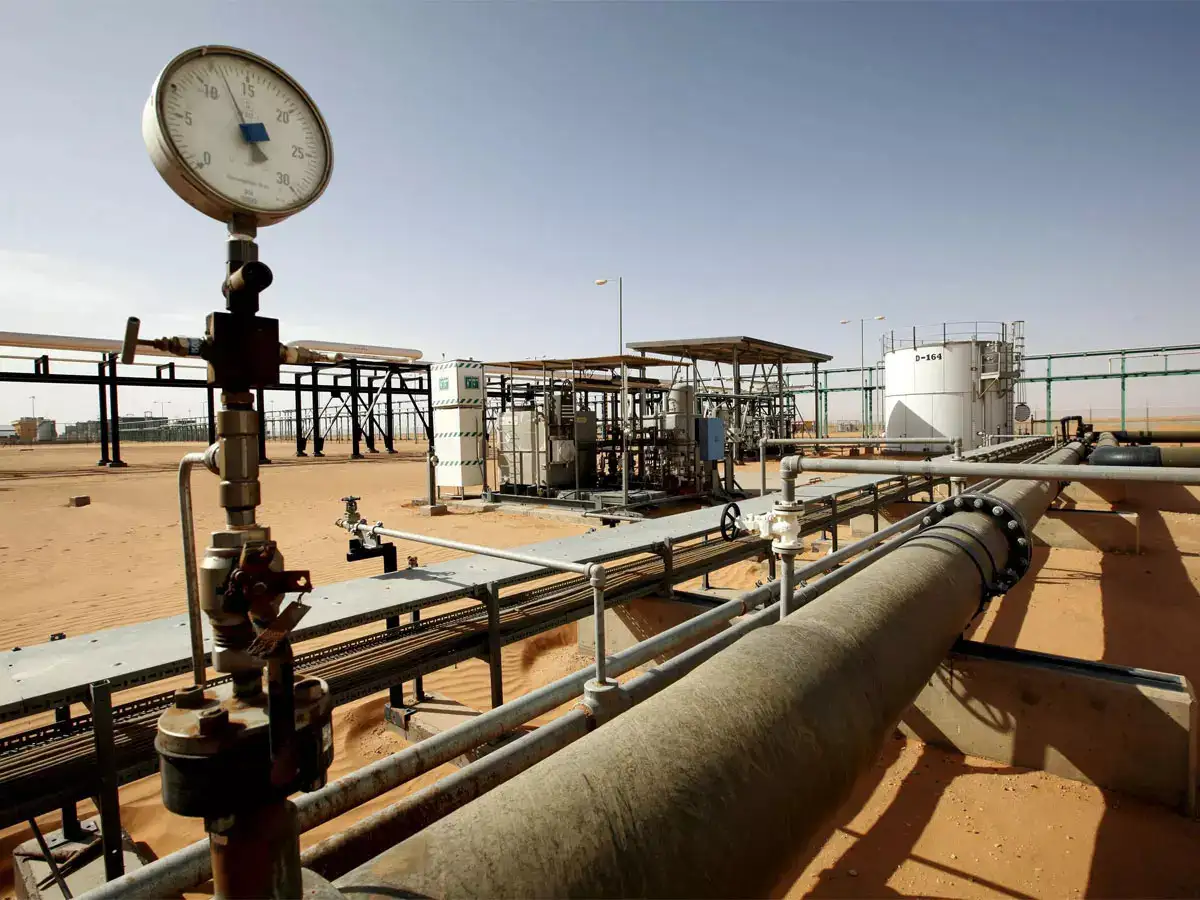
Numaligarh Refinery scaling is gaining attention as hydrocarbon executives review the construction of cross-border product distribution pipelines. The proposed infrastructure could strengthen the movement of petroleum products from Assam toward neighbouring markets. Moreover, improved pipeline connectivity can support more efficient transportation and strengthen the region’s energy supply network. The development could also reinforce Numaligarh’s growing role in Northeast India’s hydrocarbon economy.
Soummodeep Dey Takes on National Youth Leadership Role in Janata Congress Party
Numaligarh Refinery Scaling Strengthens Regional Connectivity
Numaligarh Refinery has emerged as an important part of Assam’s petroleum infrastructure. As the refinery expands its operational capacity and distribution network, efficient transportation will become increasingly important.
Therefore, cross-border pipelines could provide a dedicated channel for moving refined petroleum products toward external markets. Such infrastructure can reduce dependence on road-based transportation for large-volume product movement.
Furthermore, pipelines can provide a more continuous transportation system once operators complete the necessary infrastructure and regulatory processes. This approach could help companies manage larger volumes while improving supply-chain coordination.
However, cross-border pipeline projects require extensive planning. Governments and industry stakeholders must coordinate on land access, safety standards, environmental requirements, customs procedures and pipeline security.
Numaligarh Refinery Scaling Creates New Distribution Opportunities
The proposed pipeline network could expand the geographical reach of products processed at the refinery. Instead of relying primarily on conventional transportation routes, distributors could use dedicated infrastructure to connect production centres with markets across international borders.
Moreover, stronger distribution links can improve the efficiency of regional petroleum supply chains. Faster and more predictable movement can help distributors coordinate inventories and deliveries more effectively.
The project could also encourage greater cooperation between energy companies and neighbouring countries. Cross-border infrastructure often requires long-term coordination between multiple stakeholders, making commercial and government-level cooperation essential.
Additionally, improved connectivity could support economic activity around transportation and energy infrastructure. Businesses involved in engineering, maintenance, logistics and related services could benefit from increased demand as projects progress.
Consequently, pipeline development could become an important component of the refinery’s broader distribution strategy.
Numaligarh Refinery Scaling Supports Northeast Energy Infrastructure
The Northeast presents unique logistical challenges because of its geography and distance from major industrial centres. Therefore, stronger regional infrastructure can play an important role in improving the movement of essential petroleum products.
Numaligarh Refinery can potentially serve as a strategic supply point for several markets in and around the region. Cross-border distribution infrastructure could further expand this role if authorities and operators establish viable routes.
Furthermore, pipeline connectivity can complement existing road, rail and other transportation networks. A diversified distribution system can provide companies with greater flexibility when managing regional supply requirements.
Meanwhile, infrastructure development can encourage additional investment in energy-related facilities. Storage terminals, distribution centres and supporting services may develop alongside major pipeline projects.
However, the long-term success of such infrastructure will depend on commercial viability, regulatory approvals and consistent demand. Operators must also maintain high safety standards throughout construction and eventual operations.
Numaligarh Refinery Scaling Could Boost Assam’s Energy Economy
The expansion of refinery-linked infrastructure could have broader economic implications for Assam. Large energy projects can generate demand for skilled workers, engineering services, construction activities and maintenance operations.
Moreover, stronger product distribution networks could improve the region’s integration with neighbouring markets. This connectivity can support trade while giving petroleum companies additional channels for reaching customers.
The cross-border component also carries strategic importance. Reliable energy infrastructure can strengthen commercial relationships between neighbouring economies and support more coordinated regional development.
Additionally, efficient distribution can help companies manage transportation costs and delivery schedules. These advantages could become increasingly relevant as refined-product volumes grow.
The Numaligarh refinery scaling process therefore extends beyond refinery operations alone. It involves developing an interconnected network that links refining capacity with storage, transportation and regional markets.
If the planned pipeline infrastructure advances successfully, it could strengthen Numaligarh’s position as an important energy hub in Northeast India. At the same time, careful regulatory, environmental and safety oversight will remain essential for sustainable development.
Conclusion
Numaligarh Refinery scaling is creating fresh interest in cross-border product distribution pipelines as hydrocarbon executives assess new infrastructure possibilities. The proposed connections could improve regional petroleum logistics, expand market access and strengthen Assam’s energy infrastructure. Moreover, better connectivity could support wider trade and economic activity across Northeast India while enhancing Numaligarh’s role in regional energy distribution.
FAQs
1. What is the Numaligarh Refinery scaling initiative?
It refers to efforts to expand refinery-linked capacity and infrastructure while strengthening the distribution network for petroleum products.
2. Why are cross-border pipelines important?
They can provide dedicated routes for moving large quantities of refined petroleum products between markets, potentially improving transportation efficiency.
3. How could the pipelines benefit Numaligarh Refinery?
Improved distribution connectivity could give the refinery greater access to regional and neighbouring markets.
4. What challenges can cross-border pipeline projects face?
Such projects can require regulatory approvals, environmental assessments, land arrangements, safety measures and coordination between countries.
5. Could the project benefit Assam’s economy?
Potentially. Construction, engineering, maintenance, logistics and related activities could create additional economic opportunities around the energy sector.