


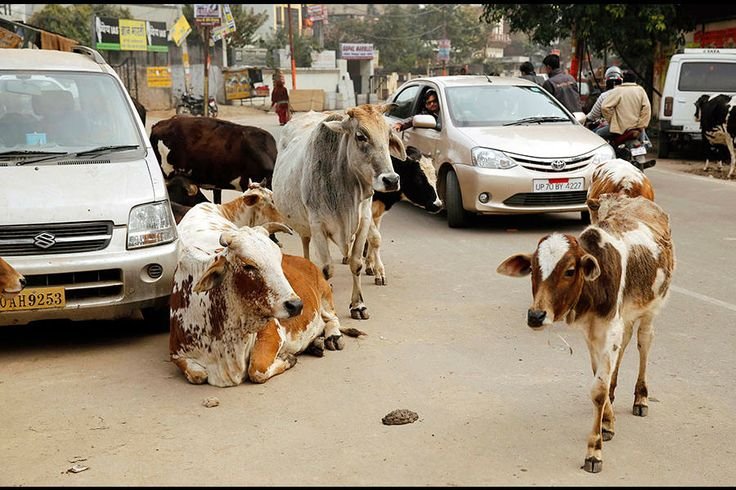
A growing environmental crisis is unfolding in Assam as plastic waste endangers stray animals in Pathsala, raising serious concerns about public health and sanitation. What was once a small-town waste issue has now escalated into a visible threat affecting animals, residents, and the overall ecosystem.
Pathsala, located in the Bajali district, has been struggling with unmanaged plastic waste for years. But the situation has worsened dramatically, with heaps of discarded plastic bags, food wrappers, and single-use items piling up across streets, drains, and marketplaces.
How Plastic Waste Endangers Stray Animals in Pathsala
Stray dogs, cows, and goats often forage through garbage dumps in search of food. Unfortunately, plastic waste has become an unavoidable part of their diet.
Animals Mistaking Plastic for Food
Local veterinarians report that many animals ingest plastic bags and wrappers while scavenging. This leads to:
- Intestinal blockages
- Severe infections
- Malnutrition
- Slow, painful deaths
Several cases have emerged where cows were found with kilograms of plastic inside their stomachs — a tragic reminder of how plastic waste endangers stray animals in Pathsala.
Injuries Caused by Sharp Plastic Waste
Broken plastic containers and packaging materials often cause:
- Cuts on paws
- Mouth injuries
- Internal wounds
These injuries frequently go untreated, worsening the suffering of stray animals.
Public Health at Risk: A Growing Concern for Residents
While the suffering of animals is heartbreaking, the crisis also poses a direct threat to human health.
Clogged Drains and Waterlogging
Plastic waste blocks drainage systems, especially during the monsoon. This leads to:
- Stagnant water
- Mosquito breeding
- Increased risk of dengue and malaria
Residents of Pathsala have repeatedly complained about overflowing drains and foul smells, especially near markets and residential colonies.
Burning Plastic Releases Toxic Fumes
In many areas, plastic waste is burned as a quick disposal method. This releases:
- Carcinogenic chemicals
- Harmful gases like dioxins and furans
- Air pollutants that worsen asthma and respiratory issues
Doctors in the region have noted a rise in breathing problems, especially among children and the elderly.
Why Pathsala Is Struggling With Plastic Waste Management
Lack of Proper Waste Segregation
Most households and shops do not separate biodegradable and non-biodegradable waste. As a result, everything ends up in open dumps.
Insufficient Municipal Infrastructure
Pathsala’s municipal board lacks:
- Adequate waste collection vehicles
- Recycling facilities
- Trained sanitation workers
This leads to irregular garbage collection and overflowing bins.
Rapid Urbanization Without Planning
As Pathsala grows, waste generation has increased — but waste management systems have not kept pace.
Community Voices: Calls for Urgent Action
Local NGOs, animal welfare groups, and environmental activists have been raising alarms for years. They argue that:
- Awareness campaigns are needed
- Plastic bans must be enforced
- Stray animals need protection and medical care
- Waste segregation should be mandatory
Some groups have started small clean-up drives, but the scale of the problem requires government intervention.
What Can Be Done to Protect Animals and Public Health?
Strengthening Waste Management Systems
Pathsala needs:
- Regular garbage collection
- More dustbins in public areas
- A functional recycling center
Enforcing Plastic Regulations
Assam already has rules restricting single-use plastics. Strict enforcement could drastically reduce waste.
Community Participation
Residents can help by:
- Segregating waste
- Avoiding single-use plastics
- Supporting local clean-up initiatives
READ MORE: PM Modi Mourns P.G. Baruah: Assam Tribune Chief Passes Away
A Crisis That Demands Immediate Action
The situation in Assam is a stark reminder that plastic waste endangers stray animals in Pathsala and threatens the health of its people. Without swift action from authorities and active participation from citizens, the crisis will only worsen.