


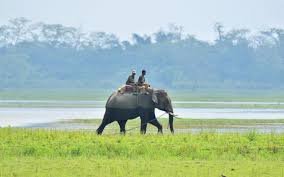
Kaziranga Wildlife Protection Patrols have increased as Assam strengthens monitoring efforts during seasonal changes. Forest officials actively track animal movement to ensure safety. These Kaziranga Wildlife Protection Patrols help protect wildlife during migration. The initiative supports conservation and reduces risks to animals.
Game-Changing Brahmaputra Valley Tea Smallholders Boost Export Quality
Assam Boosts Wildlife Protection Measures
Kaziranga Wildlife Protection Patrols have intensified as the forest department responds to changing weather conditions. Officials have increased vigilance to monitor animal migration patterns across the park. As a result, authorities can respond quickly to potential threats.
Moreover, seasonal transitions often trigger movement among animals. Therefore, proactive patrolling ensures better protection during this critical period.
Alerting Northeast India Weather Thundershowers Signal Seasonal Shift
Importance of Monitoring Animal Migration
Kaziranga Wildlife Protection Patrols play a key role in tracking animal migration. During weather changes, animals move in search of food, water, and safer habitats. Consequently, they face higher risks from natural and human-related challenges.
In addition, monitoring helps officials prevent accidents and illegal activities. As a result, wildlife remains safer throughout migration phases.
Role of Forest Department in Conservation
The Assam forest department actively leads conservation efforts in Kaziranga National Park. Officials conduct regular patrols and use modern tools to track animal movement. Therefore, they maintain a strong surveillance system across the park.
Furthermore, coordination among teams ensures quick response during emergencies. This approach strengthens overall wildlife protection.
Challenges During Seasonal Changes
Changing weather conditions create several challenges for wildlife. Floods, habitat shifts, and food scarcity can affect animal survival. Therefore, Kaziranga Wildlife Protection Patrols become essential during such periods.
Additionally, animals may move closer to human settlements. As a result, the risk of human-wildlife conflict increases.
Technology and Strategy in Wildlife Protection
Authorities have started using technology to improve monitoring efficiency. GPS tracking, surveillance systems, and data analysis help track migration patterns. Consequently, officials can make informed decisions quickly.
Moreover, strategic patrolling routes ensure coverage of sensitive areas. Therefore, protection measures remain effective and targeted.
Impact on Biodiversity Conservation
Kaziranga National Park holds rich biodiversity and remains home to several endangered species. Increased patrols help preserve this ecological balance.
As a result, conservation efforts support long-term sustainability of wildlife habitats. Furthermore, protecting migrating animals ensures population stability.
Future Outlook for Kaziranga Conservation
Kaziranga Wildlife Protection Patrols will likely continue with greater intensity. Authorities plan to strengthen monitoring systems and improve coordination.
Additionally, awareness programs will help local communities support conservation efforts. Therefore, the future of wildlife protection in Kaziranga looks promising.
FAQs
What are Kaziranga Wildlife Protection Patrols?
They are increased monitoring efforts by forest officials to protect wildlife, especially during migration.
Why are patrols increased during seasonal changes?
Animals migrate during weather changes, which increases risks and requires closer monitoring.
Who manages these patrols?
The Assam forest department conducts and supervises these patrols.
How do patrols help wildlife?
They reduce risks like poaching, accidents, and human-wildlife conflict.
What challenges do animals face during migration?
They face habitat changes, food shortages, and increased exposure to dangers.
Conclusion
Kaziranga Wildlife Protection Patrols highlight Assam’s strong commitment to conservation. By increasing monitoring during migration, authorities ensure better safety for wildlife. As these efforts continue, Kaziranga National Park will remain a vital sanctuary for diverse species.