


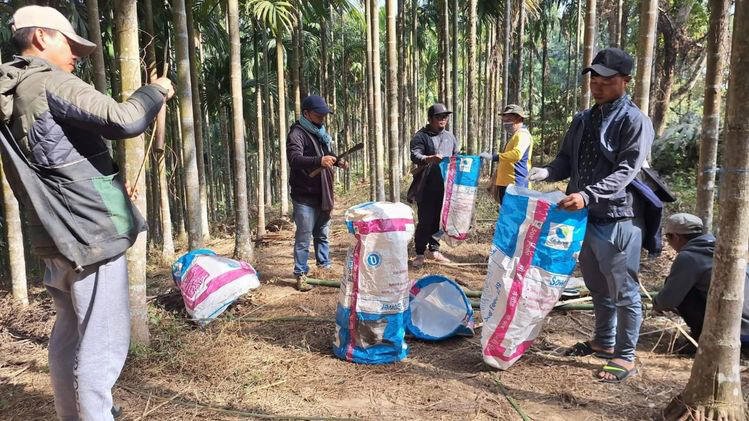
Tripura is currently witnessing a powerful grassroots movement led by its younger generation. In the northern part of the state, a dedicated youth group recently launched the Clean Jampui Hills programme. This initiative aims to protect the pristine environment of the state’s highest mountain range. Because the region is famous for its scenic beauty and orange orchards, the local community feels a deep responsibility to preserve it. Consequently, this campaign has quickly gained momentum among residents and nature lovers alike.
Read More: Regional Ties Strengthen: Assam CM to Visit Tripura Sundari Temple and Meet CM Saha
Restoring Nature Through the Clean Jampui Hills Programme
The Jampui Hills, often called the “Eternal Spring” of Tripura, have faced increasing pressure from tourism and littering. To combat this, the youth group organized a massive cleaning drive across various villages, including Vanghmun and Phuldungsei. The Clean Jampui Hills programme is not just a one-day event. Instead, it is a long-term commitment to maintaining the ecological balance of the region.
During the launch phase, volunteers collected hundreds of kilograms of plastic waste from trekking trails and viewpoints. They also placed bamboo dustbins at strategic locations to discourage open littering. Furthermore, the Clean Jampui Hills programme includes a strict monitoring system. Local youth will now regularly patrol the most visited sites to ensure that tourists follow environmental guidelines. This proactive stance ensures that the natural beauty of the hills remains intact for future generations.
Protecting Local Culture and Mizo Heritage
A unique aspect of this movement is its focus on cultural preservation. The Jampui Hills are primarily inhabited by the Mizo community, known for their vibrant traditions and clean living habits. Therefore, the Clean Jampui Hills programme links environmental health with cultural identity. The youth leaders believe that a dirty environment disrespects their ancestral land and heritage.
- Promoting Traditional Values: The campaign encourages the use of traditional bamboo baskets instead of plastic bags.
- Awareness Campaigns: Volunteers visit local schools to teach children about the connection between nature and Mizo folklore.
- Eco-Tourism Integration: The group is working with local homestay owners to promote “Responsible Tourism” under the Clean Jampui Hills programme framework.
By involving the village elders, the youth have successfully bridged the gap between modern conservation techniques and traditional wisdom. This collaboration makes the Clean Jampui Hills programme a truly community-driven success story.
Combatting the Impact of Mass Tourism
While tourism brings economic benefits, it often leaves a heavy footprint. The Clean Jampui Hills programme was born out of the necessity to manage the influx of winter visitors. Many tourists leave behind non-biodegradable waste that harms the local flora and fauna. Consequently, the youth group has started an “Exit-Entry” record for plastic bottles. Visitors must now show the number of bottles they carry in and ensure they bring the same number back out.
Moreover, the Clean Jampui Hills programme advocates for sustainable infrastructure. The group has petitioned the state government to build better sewage treatment plants for the rising number of resorts. They argue that the hills cannot sustain growth if the waste management system remains outdated. Their goal is to make Jampui Hills a model for “Zero Waste” destinations in Northeast India.
Government Support and Future Goals
The state administration has lauded the efforts of these young volunteers. Chief Minister Manik Saha recently praised the Clean Jampui Hills programme as an inspiration for the entire state. The government has promised to provide technical support and more waste disposal vehicles to the region. This partnership between the youth and the state is essential for achieving the “Green Tripura” vision by 2047.
In the coming months, the youth group plans to expand the Clean Jampui Hills programme to include reforestation. They intend to plant thousands of native saplings to replace trees lost to landslides and shifting cultivation. Additionally, they are developing a mobile app to help tourists find authorized disposal points and eco-friendly lodging. This digital step will bring more transparency and efficiency to the campaign.
Conclusion: A Greener Future for Tripura
The launch of the programme marks a turning point in local environmental activism. It proves that when the youth take charge, they can transform the landscape of their homeland. For the people of Jampui Hills, this is more than a cleaning drive. It is a fight to keep their air pure, their water clean, and their culture alive.
As the morning mist rolls over the peaks of Vanghmun, the sight of young volunteers working together offers a glimmer of hope. The Clean Jampui Hills programme is a reminder that the environment is our greatest inheritance. With continued dedication, the Jampui Hills will remain the crown jewel of Tripura, shining bright and clean for all to see.
Read More: Howrah-Anand Vihar Amrit Bharat Weekly Express: New Stoppages in Bihar Announced