


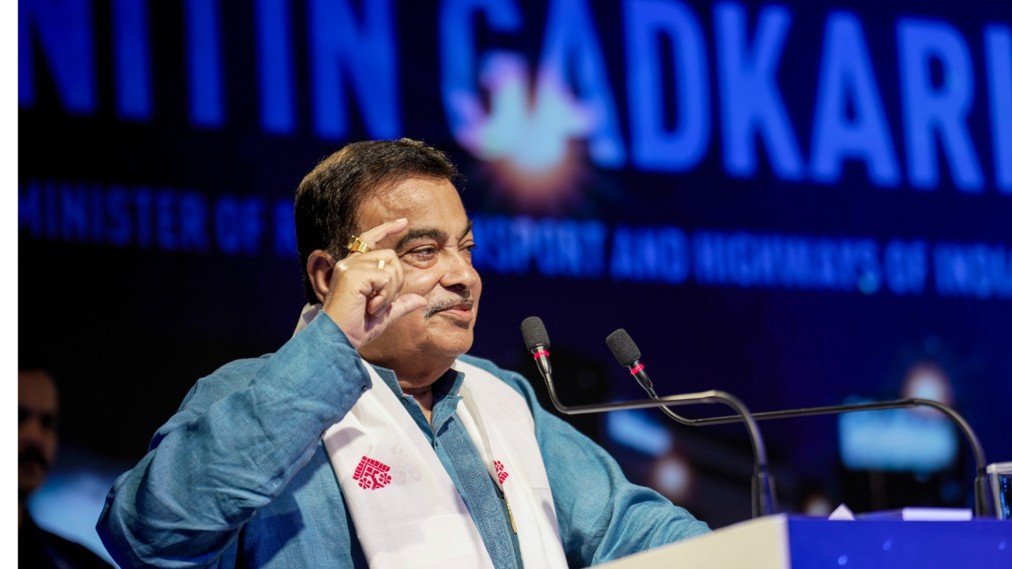
The Centre has announced plans for a major highway corridor linking Siliguri in West Bengal with Guwahati and Shillong. The project, estimated to cost Rs 61,500 crore, aims to strengthen road connectivity between West Bengal and the northeastern states.
The proposed corridor forms part of the government’s wider infrastructure push in the Northeast. Better road connectivity could improve travel, trade, tourism and the movement of goods across the region.
Siliguri to become a key connectivity point
Siliguri plays a crucial role in connecting mainland India with the Northeast. The city lies close to the narrow Siliguri Corridor, also known as the “Chicken’s Neck”.
The corridor provides the main land connection between the northeastern states and the rest of the country. Better highway infrastructure around Siliguri could therefore improve the movement of people and goods towards the Northeast.
The proposed project seeks to strengthen this important transportation link.
Highway to connect Guwahati and Shillong
The planned route will improve connectivity towards Guwahati and Shillong, two important cities in the Northeast.
Guwahati serves as a major commercial and transportation hub for the region. It also provides road and rail connections to several northeastern states.
Shillong, the capital of Meghalaya, remains an important administrative centre and a popular tourist destination. Better road connectivity with Siliguri and Guwahati could make travel between these cities more convenient.
Boost to trade and logistics
The new highway corridor could provide a major boost to trade and logistics in the region. Faster road movement can help businesses transport agricultural products, manufactured goods and other commodities more efficiently.
Improved connectivity can also reduce travel times and transportation costs. This could benefit businesses that depend on road-based supply chains.
The corridor may also encourage the development of logistics facilities, warehouses and other services along the route.
Tourism could receive a major push
Tourism is another sector that could benefit from improved road connectivity. The Northeast offers destinations ranging from the hills of Meghalaya to the landscapes of Assam and North Bengal.
A better highway network could make road journeys between these regions easier for tourists. It could also improve access to smaller towns and tourist destinations located away from major cities.
Hotels, restaurants, transport operators and local businesses could benefit from increased tourist movement.
Strategic importance of Northeast connectivity
The project also has wider significance because of the geographical importance of the Northeast. The region shares international borders with several countries and remains an important part of India’s eastern connectivity network.
Strengthening transport infrastructure can improve links between states and provide better access to markets.
The proposed corridor could therefore become an important component of the country’s broader plans to improve connectivity in the Northeast.
Large investment expected to create opportunities
The Rs 61,500-crore investment highlights the scale of the planned infrastructure project. Large highway projects can generate employment during construction and create economic opportunities after completion.
Construction activity can increase demand for local services, transport and materials. Once the highway becomes operational, businesses along the route could benefit from higher traffic and improved accessibility.
However, the project’s final benefits will depend on factors such as land acquisition, environmental approvals, construction timelines and implementation.
Project could transform regional connectivity
The proposed Siliguri-Guwahati-Shillong highway represents a significant infrastructure plan for eastern and northeastern India. The project aims to strengthen links between North Bengal and two major northeastern cities.
By improving road connectivity, the corridor could support trade, tourism, logistics and regional economic activity.
The Rs 61,500-crore investment also reflects the growing focus on infrastructure development in the Northeast. If implemented as planned, the highway could become an important part of the region’s future transportation network.