


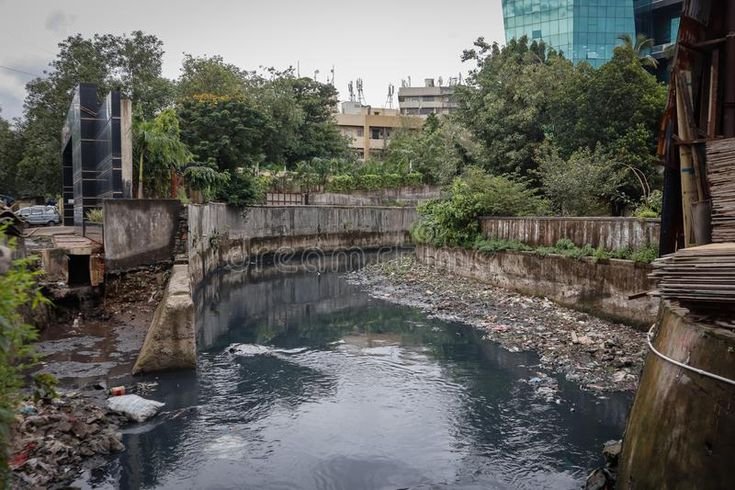
The Shillong sewage treatment expansion is underway to address the city’s growing urban waste problem. Currently, the city generates more solid waste than it can process. Therefore, the state government has planned major infrastructure upgrades under the Swachh Bharat Mission, aiming to improve sanitation, public health, and environmental standards.
Current Waste Management Challenges in Shillong
Existing Treatment Capacity
Shillong currently operates a septage treatment plant at Marten with a capacity of 115 kilolitres per day. Additionally, a new faecal sludge treatment plant treats 350 kilolitres per day, serving about 100,000 households. Despite these facilities, the city still processes less waste than it generates daily.
Processing vs. Generation Gap
The city generates approximately 315 tonnes of solid waste daily but can process only 215 tonnes. Consequently, untreated waste poses environmental and health risks. Expanding sewage treatment is essential to meet urban demands and prevent pollution in rivers like Umkhrah and Umshyrpi.
Swachh Bharat Mission Supports Shillong Sewage Treatment Expansion
Objectives of the Mission
The Swachh Bharat Mission emphasizes sustainable urban waste management and sanitation. Its goals include improving treatment capacities, promoting waste segregation, and encouraging community participation. Therefore, the Shillong sewage treatment expansion aligns perfectly with these objectives.
Community Involvement
The mission also encourages residents to segregate waste at the source and participate in cleanliness drives. Moreover, local communities can help ensure the success of the sewage treatment expansion by following proper waste disposal practices.
Planned Infrastructure Developments
Expanding Treatment Facilities
The state government has announced plans to increase treatment capacity through additional plants and upgrades to existing systems. This will allow Shillong to process all generated waste efficiently. Furthermore, the expansion is part of a broader initiative, Mission Clean Shillong 2027, preparing the city for upcoming national events.
Technological Enhancements
The expansion will introduce modern sewage treatment technologies. For example, decentralized systems will serve areas that traditional treatment plants cannot reach. This ensures comprehensive coverage and more efficient waste processing.
Environmental and Public Health Benefits
Controlling Pollution
The expansion will reduce untreated sewage discharge into rivers, which currently elevates biological oxygen demand and fecal coliform levels. Consequently, water quality will improve, protecting aquatic life and local ecosystems.
Enhancing Public Health
By processing more waste effectively, Shillong can prevent waterborne diseases, reduce health hazards, and provide residents with cleaner water. This improvement will benefit thousands of families across the city.
Support the Expansion
While infrastructure upgrades are crucial, community participation is equally important. Residents should:
- Segregate waste at home
- Participate in local cleanliness drives
- Support government initiatives for sustainable waste management
By working together, the city can become cleaner, healthier, and more resilient.
READ MORE: Zubeen Garg Death: Assam Icon Dies in Singapore Dive Accident