


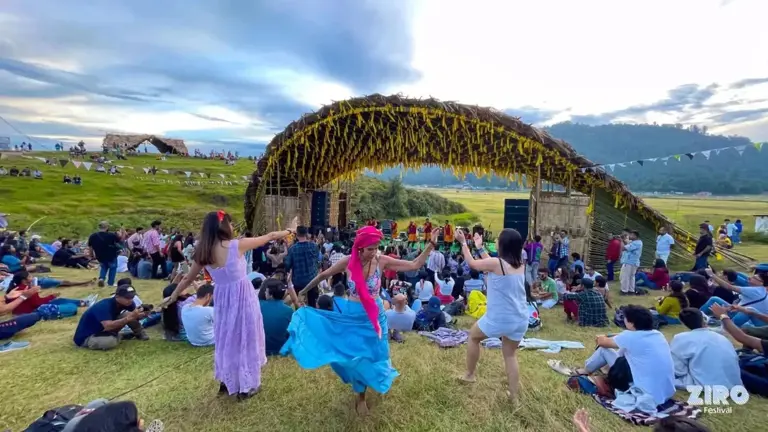
Sikkim came alive with color, rhythm, and celebration as it joined hands with Arunachal Pradesh to mark Ziro Festival 2025—a four-day extravaganza of music, culture, and sustainability. The festival, widely regarded as one of India’s premier outdoor music events, drew thousands of visitors, artists, and enthusiasts from across the country, creating a vibrant showcase of Northeast India’s creative diversity.
This year’s celebration in Sikkim symbolized unity, cross-cultural collaboration, and environmental consciousness. It brought together musicians, eco-activists, and tourists in a shared spirit of harmony, sustainability, and artistic freedom.
A fusion of music and nature
Ziro Festival, traditionally held in the picturesque Ziro Valley of Arunachal Pradesh, found a new dimension this year as Sikkim hosted parallel events to celebrate the cultural ties between the two northeastern states. Local bands, folk artists, and contemporary performers from across the region shared the stage, reflecting the interconnectedness of Northeast India’s rich musical heritage.
The event was organized by the Sikkim Department of Tourism in collaboration with the Arunachal Pradesh Tourism Board, aiming to promote eco-friendly tourism and sustainable event management practices. With the theme “Melody of the Mountains”, the 2025 edition highlighted environmental preservation and indigenous artistry.
Festival grounds in Gangtok and Namchi were transformed into lively open-air arenas where traditional performances met modern beats. Attendees were treated to a mix of indie rock, electronic fusion, and folk music under the starlit Himalayan sky.
Promoting sustainable tourism
Chief Minister Prem Singh Tamang lauded the event as a milestone in promoting sustainable tourism and strengthening regional bonds. In his inaugural address, he emphasized the importance of cultural collaboration in shaping the future of Northeast India’s tourism landscape.
“The Ziro Festival 2025 reflects our shared vision of celebrating nature through art and music. Sikkim and Arunachal Pradesh are not just neighbors—we are partners in preserving the ecological and cultural wealth of our region,” Tamang stated.
Organizers ensured that the event followed strict eco-friendly protocols. Plastic was completely banned, and biodegradable materials were used for packaging and decor. Solar-powered lighting illuminated the stages, and waste management volunteers educated visitors about recycling and composting. The initiative aligned with Sikkim’s longstanding reputation as India’s first organic state.
Artists and performances that captivated audiences
The festival lineup featured an impressive mix of established and emerging musicians. Folk troupes from Sikkim performed Tamang Selo and Maruni dances, while artists from Arunachal Pradesh presented traditional Adi war dances and Apatanis’ bamboo flute melodies.
Contemporary performers, including popular indie bands from Shillong and Guwahati, added youthful energy to the event. International artists also joined the stage, collaborating with local musicians to create cross-genre compositions blending Himalayan rhythms with global sounds.
Festivalgoers described the experience as immersive and transformative. The music, coupled with the breathtaking mountain backdrop, created an atmosphere that felt both intimate and grand. One visitor shared, “This is more than a music festival—it’s a cultural bridge between states that share the same heart.”
Strengthening regional unity through culture
The Ziro Festival 2025 celebration in Sikkim reflected a growing trend among northeastern states to collaborate on tourism and cultural initiatives. Officials from both Sikkim and Arunachal Pradesh highlighted that such partnerships can amplify the region’s visibility on the national and international stage.
Cultural exchanges like these not only boost tourism but also nurture mutual understanding among the diverse communities of the Northeast. The event’s success demonstrated how music can become a unifying force, transcending borders and linguistic differences.
Sikkim’s participation also underscored the government’s commitment to promoting inclusive tourism. The Tourism Department announced plans to develop cultural circuits connecting Sikkim, Arunachal Pradesh, Meghalaya, and Nagaland, offering travelers a holistic glimpse into the region’s traditions.
Local entrepreneurs and eco-tourism boost
The festival proved beneficial for local entrepreneurs, artisans, and farmers. Homegrown brands showcased organic tea, handmade crafts, and eco-friendly fashion, drawing attention to Sikkim’s thriving local economy. Food stalls served authentic delicacies like phagshapa, momos, and sel roti, attracting both tourists and locals.
Eco-lodges and homestays reported full bookings, as visitors preferred sustainable accommodations that reflected the festival’s environmental ethos. Tourism officials noted that the event created significant seasonal employment for youth and small business owners.
Cultural workshops and green awareness
Apart from music, Ziro Festival 2025 hosted cultural workshops, art exhibitions, and sustainability sessions. Attendees participated in bamboo art, weaving demonstrations, and indigenous storytelling sessions led by local elders. Environmental experts conducted discussions on wildlife conservation, forest protection, and responsible trekking.
Students from Sikkim University and Arunachal Pradesh University volunteered in organizing these workshops, turning the festival into an interactive learning experience. Their involvement symbolized youth participation in cultural preservation and ecological advocacy.
Closing ceremony celebrates unity and renewal
The final day concluded with a moving performance dedicated to the theme of unity in diversity. A joint ensemble of Sikkimese and Arunachali musicians performed an original song titled “Voices of the Hills,” celebrating the spirit of togetherness.
Chief Guest Ugen T Gyatso, Sikkim’s Minister of Tourism and Civil Aviation, praised the collaboration and announced that Sikkim will continue to host similar cultural partnerships in the coming years. “Through music and shared values, we can build a stronger, greener Northeast,” he said.
As the lights dimmed and the mountains echoed with applause, Ziro Festival 2025 left behind not just melodies but a message—one of coexistence, cultural pride, and sustainability.
The event reaffirmed Sikkim’s commitment to promoting eco-conscious tourism while nurturing the creative pulse of its youth. With the Himalayas as witness, the festival became a living testament to how culture and environment can thrive together.