


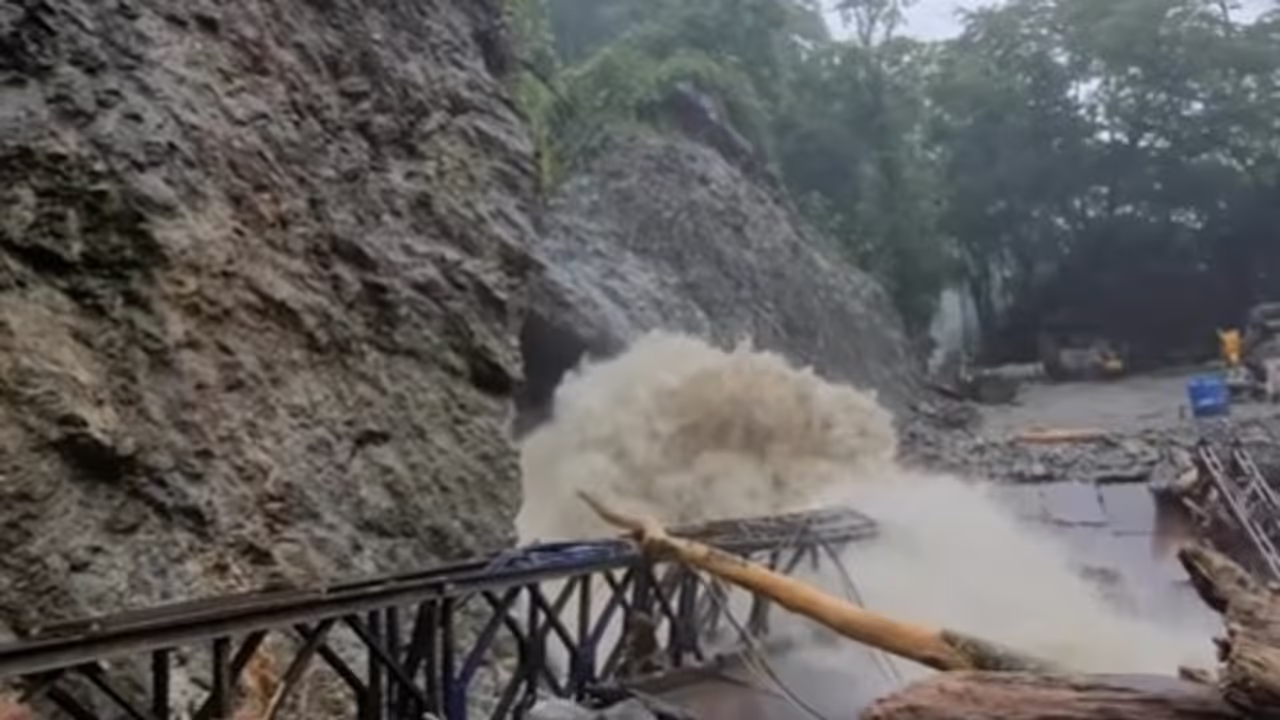
The Sikkim Isolation North Sikkim crisis has intensified after multiple cloudbursts damaged critical bridges and disrupted road connectivity between Mangan and areas of North Sikkim. The extreme weather has created significant transportation challenges and temporarily isolated communities in affected areas.
The Sikkim Isolation North Sikkim situation highlights the vulnerability of the Himalayan state’s infrastructure to intense rainfall and sudden flooding. Moreover, bridges and mountain roads often serve as the only practical links between remote settlements and administrative centres.
The damage has affected movement of residents, essential supplies, and emergency services. Therefore, restoring connectivity remains a priority for authorities as they assess damaged infrastructure and weather conditions.
Continued rainfall could further complicate restoration efforts. Additionally, authorities must evaluate roads, bridges, and surrounding slopes before allowing normal traffic to resume.
Sikkim Isolation North Sikkim Disrupts Critical Connectivity
The Sikkim Isolation North Sikkim situation emerged after cloudbursts caused damage to important bridges along routes connecting Mangan with North Sikkim.
Moreover, mountain communities depend heavily on a limited number of roads and bridges for transportation. Consequently, damage to even one critical structure can create substantial disruption.
Multiple damaged crossings can make the situation more challenging because alternative routes may not exist or may require significant travel through difficult terrain. Furthermore, emergency teams can face logistical difficulties when debris, flooding, or unstable slopes affect access routes.
The available information does not establish the exact number of damaged bridges or the precise duration of the reported isolation.
Sikkim Isolation North Sikkim Raises Emergency Access Concerns
The Sikkim Isolation North Sikkim disruption has raised concerns about access to healthcare, food supplies, fuel, and other essential services.
Additionally, remote communities can face greater difficulties during emergencies when transportation links become unavailable. Therefore, authorities may need to prioritize emergency supply movement and alternative access routes.
Cloudbursts can produce intense rainfall over short periods, increasing the risk of flash floods, debris flows, and landslides. Meanwhile, saturated mountain slopes can remain unstable even after rainfall decreases.
Emergency agencies must therefore monitor weather and ground conditions while planning restoration work. A premature reopening could expose commuters and workers to additional risks.
Sikkim Isolation North Sikkim Challenges Infrastructure Restoration
The Sikkim Isolation North Sikkim crisis requires coordinated efforts to restore damaged bridges and road links.
Moreover, engineers must assess whether structures require temporary repairs or complete reconstruction. Consequently, restoration timelines can vary depending on the extent of damage and accessibility of affected locations.
Authorities may also need to establish temporary crossings or alternative routes where feasible. Similarly, heavy machinery and construction materials can prove difficult to transport into remote mountain areas when existing roads remain blocked.
The restoration process will depend on weather conditions, engineering assessments, and the accessibility of affected sites.
Conclusion
The Sikkim Isolation North Sikkim situation underscores the vulnerability of remote Himalayan communities to extreme rainfall and infrastructure damage.
Furthermore, cloudbursts have disrupted critical bridges and temporarily affected connectivity between Mangan and parts of North Sikkim. Restoring safe access will require careful engineering assessments, emergency coordination, and continued monitoring of weather and slope conditions.
Overall, the Sikkim Isolation North Sikkim episode highlights the importance of resilient bridges, alternative access routes, and rapid disaster-response systems in mountainous regions.
FAQs
1. What caused the Sikkim Isolation North Sikkim situation?
The Sikkim Isolation North Sikkim disruption followed multiple cloudbursts that damaged critical bridges and affected road connectivity.
2. Which area experienced connectivity problems?
The reported disruption affected routes connecting Mangan with parts of North Sikkim.
3. Why can bridge damage isolate mountain communities?
Remote settlements often depend on a small number of roads and bridges. Damage to a key crossing can therefore cut off access to surrounding areas.
4. What risks do cloudbursts create in Sikkim?
Cloudbursts can trigger flash floods, landslides, debris flows, and damage to roads and bridges.
5. What will determine the restoration timeline?
Engineers will need to assess structural damage, road conditions, weather, site accessibility, and the availability of equipment and materials before authorities can determine restoration timelines.