


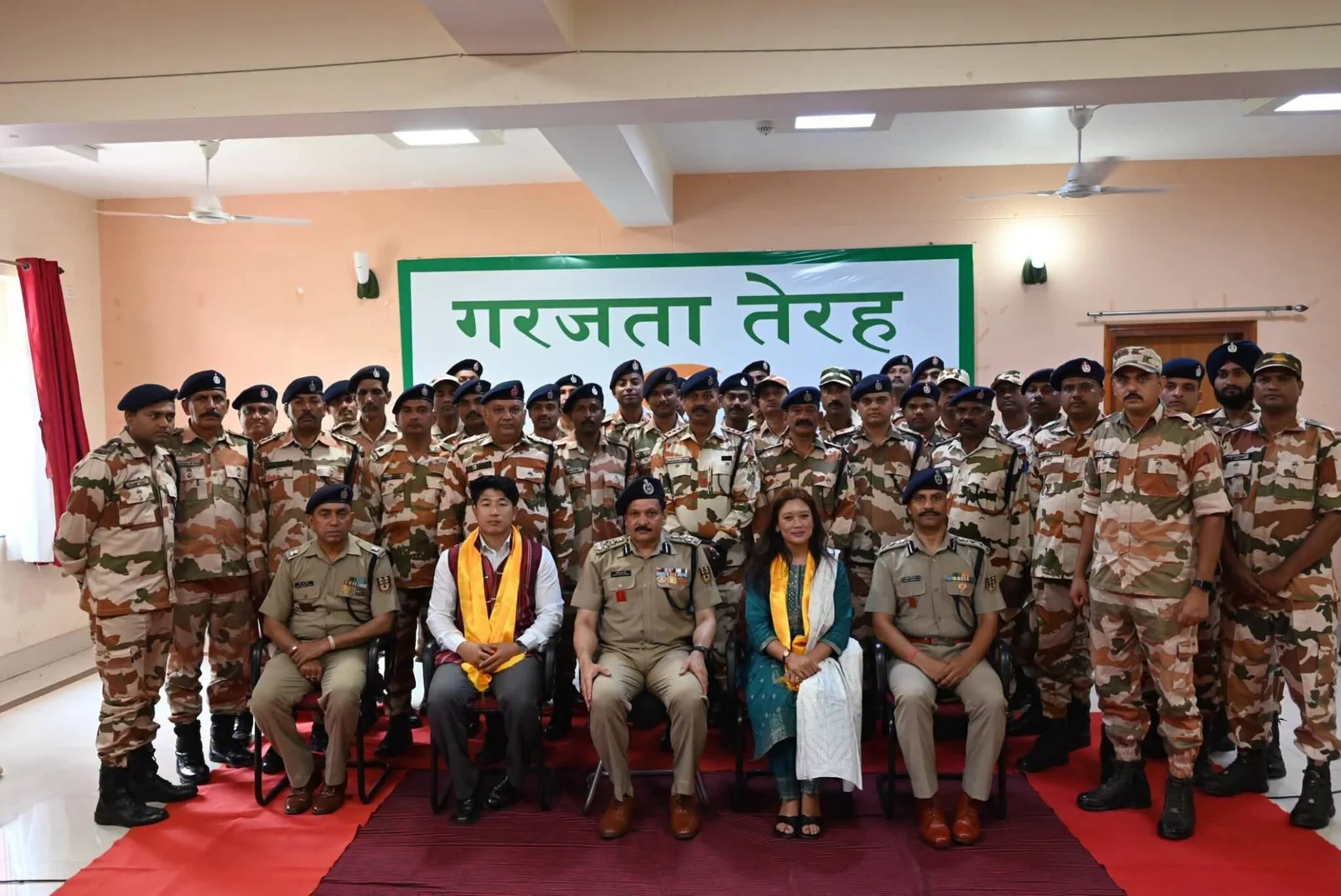
Gangtok, Sikkim: The Indo-Tibetan Border Police (ITBP) has launched a five-day cultural orientation programme to help its personnel understand the language, traditions, and cultural heritage of Sikkim. The training began on Monday at the 13th Battalion ITBP headquarters and includes 40 personnel from four battalions.
Moreover, experts from the Sikkim Government’s Department of Culture are conducting the sessions. The initiative aims to strengthen cultural awareness among troops and improve their engagement with local communities while serving in the Himalayan state.
Read More: Kuki hostage release cancelled protests – Borok Times
ITBP Begins Cultural Training Programme
The Indo-Tibetan Border Police has started a special cultural orientation programme for personnel posted in Sikkim. The five-day training commenced on Monday at the 13th Battalion ITBP headquarters.
Through this initiative, the force aims to familiarize its personnel with Sikkim’s diverse cultural traditions, languages, customs, and heritage.
Officials Attend Inaugural Session
Deputy Inspector General Sanjeev Kumar Singh from the ITBP Sector Headquarters in Gangtok attended the inaugural session of the programme.
According to an official statement, 40 personnel from the 11th, 13th, 48th, and 63rd Battalions are participating in the training. The programme brings together personnel from different units to gain a deeper understanding of the local culture.
Experts Share Insights on Sikkim’s Heritage
Experts from the Sikkim Department of Culture are conducting the sessions. They will provide detailed information about the state’s linguistic diversity, cultural practices, traditions, and historical heritage.
Additionally, the programme will help participants learn about the customs and social values that shape communities across Sikkim.
Strengthening Community Engagement
ITBP officials believe that cultural awareness plays an important role in strengthening relations between security forces and local residents.
Therefore, the training will help personnel interact more effectively with communities while respecting local traditions and cultural sensitivities. It will also enhance mutual trust and cooperation between citizens and security forces.
Commitment to Cultural Understanding
The initiative reflects ITBP’s commitment to promoting cultural understanding among its personnel deployed in border regions. Furthermore, it highlights the force’s efforts to ensure that security duties are carried out with respect for local identities and traditions.
By learning about Sikkim’s unique heritage, personnel can contribute more effectively to community engagement and regional harmony.
Key Facts
- Programme: Five-Day Cultural Orientation Programme
- Organized By: Indo-Tibetan Border Police (ITBP)
- Location: 13th Battalion ITBP Headquarters, Gangtok, Sikkim
- Participants: 40 ITBP personnel
- Battalions Involved: 11th, 13th, 48th, and 63rd Battalions
- Chief Guest: DIG Sanjeev Kumar Singh
- Training Partner: Department of Culture, Government of Sikkim
- Objective: Promote cultural awareness and community engagement
Questions and Answers
What has ITBP launched in Sikkim?
ITBP has launched a five-day cultural orientation programme for its personnel.
Who is participating in the programme?
Forty personnel from the 11th, 13th, 48th, and 63rd Battalions are participating.
What is the purpose of the training?
The programme aims to familiarize personnel with Sikkim’s language, traditions, and cultural heritage.
Who is conducting the sessions?
Experts from the Department of Culture, Government of Sikkim, are conducting the training sessions.
How will the programme benefit ITBP personnel?
The training will improve cultural understanding, strengthen community engagement, and help personnel respect local traditions while performing their duties.
Location Context
Sikkim is a strategically important Himalayan state in Northeast India, known for its rich cultural diversity and unique traditions. Therefore, initiatives that promote cultural understanding among security personnel can strengthen community relations and support effective administration in the region.
Also Read: Meghalaya Introduces Common Exams for Classes 6–9