


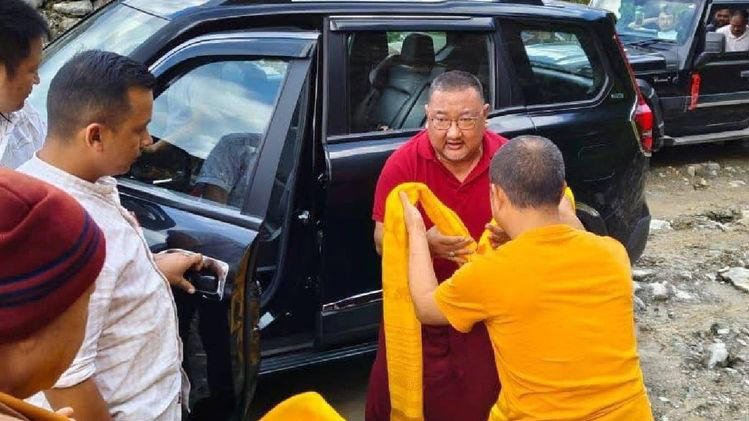
Sikkim Minister for Ecclesiastical Affairs, Sonam Lama, recently visited Rakdong Gumpa and praised the progress on its main building. He said the restoration reflects both cultural pride and community spirit. The ancient monastery, located in Rakdong, has long served as a center of spiritual practice and cultural identity for the region. With the ongoing work, the government hopes to ensure that this heritage site continues to inspire future generations.
The Rakdong Gumpa is not just a place of worship but also a hub of tradition. Many people in the surrounding villages rely on the monastery for cultural teachings, festivals, and rituals. By investing in the restoration of its main building, the state has shown commitment to preserving Sikkim’s spiritual legacy.
Read More: Assam CM stands firm on land evictions amid political tensions
Minister Highlights Community Involvement
During his visit, Minister Lama highlighted the role of local participation in the project. He stated that the monastery’s success depended on both government aid and community dedication. Villagers, artisans, and religious leaders have all worked together to support the initiative. This blend of traditional knowledge and modern planning has given the restoration effort a strong foundation.
Furthermore, the minister encouraged people to continue contributing in whichever way they can. Some offer financial support, while others provide labor or materials. In his words, true heritage preservation requires both official policies and grassroots involvement. Such cooperation also strengthens unity among the people of Sikkim.
Cultural Importance of Rakdong Gumpa
The Rakdong Gumpa holds immense cultural and historical significance. Established centuries ago, it has stood as a symbol of Buddhist teachings and values. Every year, the monastery hosts festivals that attract not only locals but also visitors from across the state. These events bring economic benefits for nearby villages as travelers come to witness the ceremonies.
Moreover, Rakdong Gumpa has served as a place of learning. Monks and scholars study scriptures here, passing on religious and moral lessons. In this way, the monastery contributes not just to spirituality but also to education. Preserving its main building ensures that these teachings remain accessible for the next generation.
Focus on Heritage Preservation
The minister stressed that heritage preservation is a long-term responsibility. While the government provides funds, communities must ensure that sites are well-maintained after completion. He noted that cultural landmarks often face challenges like weather damage and neglect. Without continuous care, valuable heritage can fade.
To address this, the Ecclesiastical Department has been working on similar projects across Sikkim. Restoring monasteries, temples, and cultural sites has become a priority. These efforts not only safeguard history but also promote tourism, creating economic opportunities for locals.
Role of Tourism in Restoration
Tourism plays a crucial role in the sustainability of cultural projects. Restored sites often attract more visitors, which in turn boosts local income. Minister Lama said that Rakdong Gumpa’s restoration would likely increase footfall in the area. He emphasized that such projects should be seen as investments in both culture and economy.
Additionally, tourists often develop a deeper understanding of Sikkim’s heritage through these visits. By engaging with local communities and experiencing their traditions, they contribute to cultural exchange. This strengthens Sikkim’s image as a state rich in heritage and spirituality.
Challenges in the Restoration Process
Despite visible progress, the restoration has faced challenges. The terrain around Rakdong is steep, making transportation of materials difficult. Weather conditions in Sikkim, especially heavy rains, have also slowed down construction. However, local workers and officials have shown resilience by adapting to these issues.
Minister Lama acknowledged these difficulties but expressed confidence that the project would be completed on time. He praised the dedication of both skilled artisans and unskilled laborers who contributed to the work. Their joint efforts ensure that the monastery’s architecture remains authentic while still meeting modern safety standards.
Linking Culture with Development
The Sikkim government has made it clear that development and culture can go hand in hand. By restoring monasteries like Rakdong Gumpa, the state strengthens its cultural identity while also creating development opportunities. Jobs for artisans, construction workers, and guides emerge during and after such projects.
The minister pointed out that these efforts align with Sikkim’s broader development goals. By balancing cultural preservation with modern growth, the state can set an example for others. Projects like Rakdong Gumpa prove that progress does not have to come at the cost of tradition.
Community’s Emotional Bond
For many villagers, the Rakdong Gumpa holds personal meaning. Families have visited the monastery for generations, celebrating milestones like births, marriages, and religious ceremonies. The ongoing restoration has created a sense of pride, as people feel they are safeguarding something deeply connected to their identity.
Community members believe that once the main building is complete, the monastery will again serve as a strong cultural anchor. Young people, in particular, will gain more exposure to their traditions, strengthening the bond between heritage and daily life.
A Vision for the Future
Minister Lama concluded his visit by outlining a vision for the future of Rakdong Gumpa. He said the monastery should not only stand as a preserved monument but also function as a vibrant cultural center. Regular events, educational programs, and spiritual teachings will ensure its continued relevance.
The government aims to create a model where cultural preservation is tied to sustainable development. Rakdong Gumpa’s restoration may serve as inspiration for similar projects in Sikkim and beyond. As the minister emphasized, true progress respects the past while preparing for the future.
Read More: Amit Shah Inaugurates Brahmaputra Wing Of Raj Bhavan