


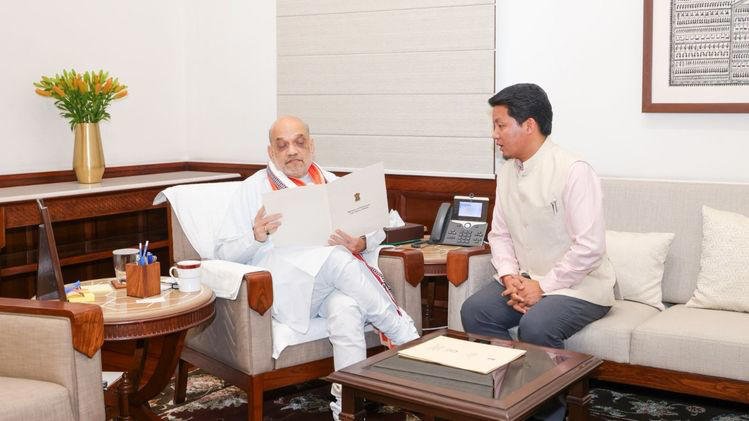
The issue of Sikkim tribal representation has once again come into focus after Sikkim MP Indra Hang Subba raised concerns with Union Home Minister Amit Shah. The MP urged the Centre to address long-pending demands related to representation of tribal communities in the state’s political framework.
During his interaction with the Union Home Minister, Subba highlighted that several tribal groups in Sikkim continue to face inadequate representation despite constitutional provisions and earlier assurances. He stressed that the delay in resolving these issues has created dissatisfaction among communities that have historically sought greater inclusion.
The demand is not new. However, renewed political attention has brought the matter back into national discussion. Subba’s intervention signals growing pressure on the central government to act decisively.
Read More: Mamata Alleges BJP Adding Illegal Voters in Bengal
Long-standing demand for fair representation
Sikkim’s unique demographic structure includes multiple ethnic communities. Among them, tribal groups have consistently demanded equitable political representation. These demands largely revolve around reserved seats and recognition under constitutional safeguards.
Subba pointed out that while certain communities enjoy representation through reserved constituencies, others remain excluded. As a result, these groups feel politically marginalized. He argued that addressing the imbalance would strengthen democratic participation in the state.
Moreover, he emphasized that the delay in resolving these concerns undermines trust in governance. According to him, the Centre must take proactive steps to ensure fairness. He also urged authorities to revisit earlier recommendations that proposed expanding representation.
Importantly, the MP framed the issue not just as a political demand but as a matter of social justice. He stated that inclusive governance depends on fair representation of all communities.
Appeal for Centre’s intervention
In his appeal to Amit Shah, Subba requested immediate intervention to expedite discussions on tribal representation. He urged the Home Ministry to coordinate with the Sikkim government and other stakeholders to find a lasting solution.
He also highlighted that several memorandums submitted in the past have not resulted in concrete outcomes. Therefore, he called for a time-bound approach to address the issue.
Additionally, Subba stressed the importance of constitutional clarity. He suggested that amendments or policy decisions may be required to resolve disputes over representation. He expressed hope that the Centre would take these concerns seriously.
The MP also noted that addressing tribal representation could prevent future unrest. According to him, timely action would ensure stability and strengthen public confidence.
Political and constitutional complexities
The issue of Sikkim tribal representation involves multiple layers of complexity. On one hand, there are constitutional provisions that protect certain communities. On the other hand, there are demands from groups seeking similar recognition.
Experts note that any change in representation requires careful consideration. It must balance existing safeguards while addressing new demands. Therefore, policymakers need to adopt a nuanced approach.
Furthermore, Sikkim’s special status adds another dimension to the issue. The state’s historical agreements and constitutional provisions play a key role in determining representation. As a result, any changes must align with these frameworks.
Despite these challenges, political leaders believe that a solution is possible. They argue that dialogue and consensus can pave the way forward.
Growing pressure from tribal communities
Tribal communities in Sikkim have increasingly voiced their concerns in recent years. Several organizations have organized campaigns and submitted petitions demanding representation.
These groups argue that political inclusion is essential for safeguarding their interests. They believe that without proper representation, their voices remain unheard in policymaking.
Subba acknowledged these concerns during his meeting with Amit Shah. He stated that the government must listen to the aspirations of these communities. He also highlighted that addressing their demands would promote harmony.
At the same time, he urged community leaders to maintain peaceful dialogue. He emphasized that constructive engagement would help achieve meaningful outcomes.
Centre’s response and future outlook
While the Centre has not yet made a formal announcement, Amit Shah reportedly assured the MP that the matter would be examined. This assurance has raised expectations among stakeholders.
Observers believe that the coming months will be crucial. The Centre may initiate consultations with state authorities and community representatives. Such discussions could lead to policy decisions or legislative measures.
However, the timeline remains uncertain. Given the complexity of the issue, any resolution may take time. Nevertheless, Subba’s intervention has ensured that the matter remains on the national agenda.
Conclusion
The Sikkim tribal representation issue reflects broader questions of inclusion and fairness in India’s democratic system. By raising the matter with Amit Shah, Indra Hang Subba has brought renewed attention to a long-standing concern.
Although challenges remain, there is cautious optimism that dialogue between the Centre, the state, and community groups will lead to progress. Ultimately, a balanced and inclusive approach will be key to resolving the issue and ensuring equitable representation for all communities in Sikkim.
Read More: Lalduhoma Calls Mizoram’s Growth a Divine Transformation