


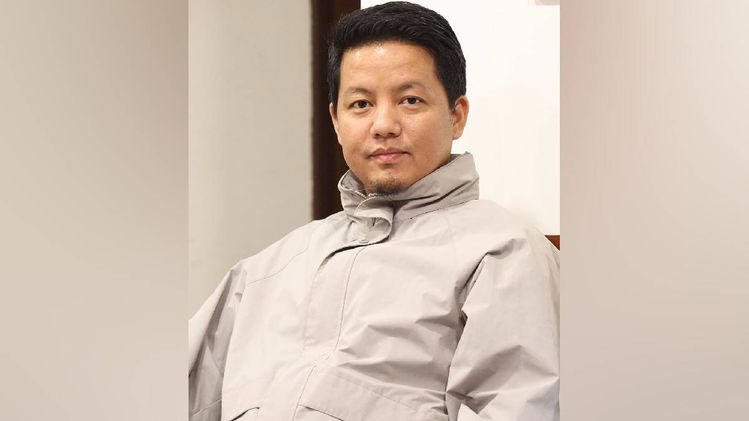
Artificial Intelligence is reshaping industries across the globe, and India is not exempt from its influence. In this context, Sikkim’s Member of Parliament, Indra Dr. Hung Subba, has raised concerns about the rapid growth of AI and its possible impact on jobs. Speaking in Parliament, he highlighted both the risks and opportunities that AI presents, particularly for a small state like Sikkim.
Dr. Subba emphasized that while AI has the potential to enhance efficiency, streamline processes, and reduce costs, it could also disrupt traditional employment. He urged the state to recognize this shift early and take proactive steps to prepare its workforce for the future. His remarks drew attention to the need for balanced policies that protect jobs while fostering innovation.
Read More: 6 Health Benefits of Amla Juice and Daily Use Tips
Concerns Over Job Security
The MP expressed particular concern about the impact of AI on routine and semi-skilled jobs. He pointed out that many young people in Sikkim rely on such jobs, both within the state and outside. The automation of customer service, data entry, and other support functions could reduce opportunities in these sectors.
Dr. Subba said that if Sikkim does not act in time, its workforce may face growing challenges in finding secure employment. He added that the state must avoid overdependence on traditional sectors and instead explore new areas where AI can create fresh opportunities.
Call for Skill Development
To address these challenges, Dr. Subba called for a strong focus on skill development. He stressed that the education system must integrate AI-related courses, digital literacy, and coding from an early stage. By preparing students to work with advanced technologies, Sikkim can safeguard its youth from job displacement.
He also proposed the introduction of specialized training programs for professionals already in the workforce. According to him, continuous learning and upskilling are essential in today’s fast-changing digital economy.
Opportunities in AI Adoption
While highlighting the risks, the MP also spoke of AI’s potential to open up new avenues for growth in Sikkim. For example, AI can help improve tourism services, enhance agricultural practices, and boost healthcare delivery in remote regions. With the right approach, Sikkim can use AI to overcome challenges posed by its mountainous geography and limited infrastructure.
Dr. Subba argued that instead of viewing AI solely as a threat, the state should see it as a tool for development. He noted that Sikkim’s youth, known for their adaptability and talent, could thrive in technology-driven industries if given proper guidance and resources.
Role of the Government
The MP urged both the central and state governments to collaborate in preparing a roadmap for AI adoption. He suggested that Sikkim should receive targeted support in terms of funding, training programs, and infrastructure. A joint effort, he said, will ensure that the state is not left behind in India’s digital transformation.
Dr. Subba also stressed the need for policies that strike a balance between automation and human employment. According to him, a people-first approach should guide every decision, ensuring that technology enhances human capabilities rather than replacing them.
Encouraging Local Startups
Another key point raised by Dr. Subba was the importance of supporting local entrepreneurs and startups. He said that small businesses in Sikkim should be encouraged to adopt AI tools to increase their efficiency. With proper incentives and mentorship, startups could become a driving force in shaping the state’s AI ecosystem.
He recommended the creation of innovation hubs and incubation centers where young entrepreneurs can experiment with AI solutions. Such steps, he noted, would not only create jobs but also make Sikkim a model for sustainable technology adoption in the Northeast.
Collaboration With Educational Institutions
Dr. Subba also called for stronger collaboration between the government and universities in Sikkim. He suggested setting up dedicated AI research centers that focus on local challenges. For example, AI could be used to improve weather forecasting, manage natural disasters, and develop eco-friendly farming methods suited to the Himalayan environment.
According to him, research-led solutions could make AI adoption more relevant to the needs of the people while building a knowledge-driven economy.
The Way Forward
The MP concluded by reminding policymakers that AI is not a distant reality but an immediate challenge. He urged all stakeholders, from educators to entrepreneurs, to join hands in preparing Sikkim for this technological revolution.
By investing in skills, encouraging innovation, and building strong policies, Sikkim can turn AI into a tool for inclusive growth. Dr. Subba’s message was clear: with the right vision, the state can not only protect its workforce but also create new opportunities in the digital age.
As AI continues to evolve, Sikkim has the chance to position itself as a forward-looking state that blends tradition with technology. The call made by Indra Dr. Hung Subba serves as a reminder that preparing today will secure a brighter tomorrow for the people of Sikkim.
Read More: Arunachal Trade Union Warns Statewide Strike Over Demands