


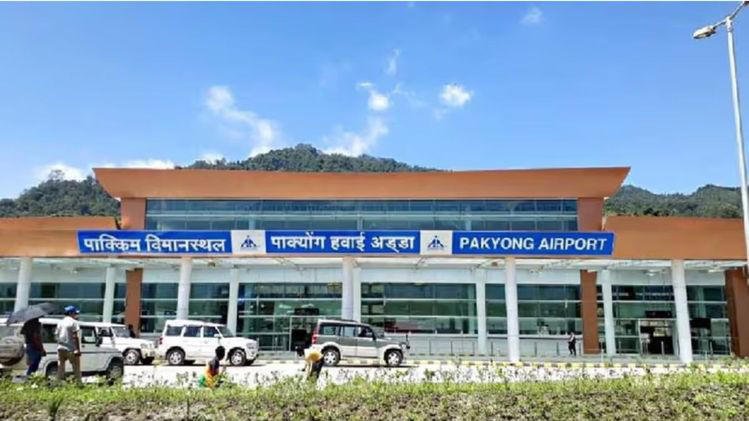
The Sikkim Pakyong Airport revival is back in focus after the Centre and major airline representatives held a high-level meeting to explore the resumption of regular flight operations. Officials aim to improve the state’s air connectivity, which has faced repeated setbacks due to operational challenges.
The meeting was attended by senior officials from the Ministry of Civil Aviation, Airports Authority of India (AAI), and leading domestic airlines. Sources indicate that the discussion revolved around logistical issues, safety upgrades, and potential subsidies to make operations viable.
Read More: Dilip Saikia Hails PM Modi’s Northeast River Boost
Strategic Importance of Pakyong Airport
Pakyong Airport, located around 30 km from Gangtok, is Sikkim’s first and only airport. Operational since 2018, it is one of the highest airports in India, perched at about 4,646 feet above sea level. The facility was hailed as a game-changer for Sikkim’s connectivity, but persistent issues with weather disruptions, short runway length, and limited navigation equipment have hampered its full potential.
Aviation experts point out that the revival of flights will not only benefit tourism but also support local trade and emergency services. The airport’s closure in past years forced passengers to depend on Bagdogra Airport in West Bengal, which involves a lengthy road journey to reach Sikkim.
Government Push for Regional Air Travel
The revival plan is part of the government’s UDAN scheme, which focuses on enhancing air connectivity to remote regions. Under this program, airlines receive viability gap funding to operate in areas where commercial operations are otherwise unprofitable.
Officials have suggested introducing smaller aircraft more suited to Pakyong’s terrain and weather patterns. This could reduce the risk of flight cancellations and make services more consistent. Furthermore, talks included upgrading navigation systems and improving runway infrastructure.
Airlines Show Interest but Seek Incentives
Airline representatives present in the meeting expressed willingness to resume operations but highlighted the need for financial incentives. High operational costs, combined with weather-induced cancellations, have previously discouraged carriers from sustaining services.
One airline official noted that offering a minimum revenue guarantee could encourage more carriers to participate. Additionally, they stressed the importance of coordinated weather monitoring and passenger management to avoid frequent disruptions.
Tourism Sector Awaits Positive Outcome
Sikkim’s tourism industry is watching the developments closely. Tour operators believe that the airport’s revival will significantly increase tourist arrivals, especially from metropolitan cities.
Local business owners say that direct flights will shorten travel time for visitors, making Sikkim more attractive for short holidays. The revival could also boost eco-tourism initiatives and promote Sikkim’s cultural heritage to a wider audience.
Infrastructure and Safety Upgrades
AAI officials confirmed that plans are in place to enhance the airport’s safety measures. Installation of advanced landing aids, improved weather forecasting systems, and regular pilot training for high-altitude operations are among the steps being considered.
Work is also expected to focus on better road connectivity between Gangtok and the airport. This would ensure that passengers can reach their destinations quickly, even in case of flight diversions or delays.
Regional Connectivity and Economic Impact
The revival aligns with the larger vision of integrating Northeast India more closely with the rest of the country. Improved connectivity is expected to boost trade, tourism, and employment opportunities in the region.
Economists believe that the airport’s full functionality will have a multiplier effect, generating revenue for hotels, restaurants, taxi services, and handicraft markets. For Sikkim’s farmers, quicker access to distant markets could mean better prices for their produce.
Challenges Ahead
Despite the enthusiasm, challenges remain. Weather remains a major obstacle, as fog, strong winds, and low visibility can disrupt schedules. The high operational costs and risk of cancellations still pose concerns for airlines.
Experts suggest a gradual approach, starting with a few weekly flights during favorable weather months, before expanding to year-round operations. This phased revival could help test and refine operational strategies.
Strong Political Will Needed
Observers say that sustained political commitment will be key to making the revival successful. Coordination between the Centre, the Sikkim state government, and airlines must continue beyond the initial launch phase.
Past experiences have shown that without consistent policy support and monitoring, regional air connectivity projects can lose momentum. Ensuring that the Pakyong revival stays on track will require clear accountability and proactive problem-solving.
Positive Signals for Sikkim’s Future
While a final operational timeline has not been announced, officials described the meeting as productive. Both government representatives and airline officials reportedly agreed on the importance of reviving the airport as soon as possible.
If successful, the Sikkim Pakyong Airport revival could transform travel to the state, offering faster, safer, and more comfortable options for residents and visitors alike. For a region often challenged by difficult terrain and weather, reliable air connectivity could mark the beginning of a new growth chapter.
Read More: Tripura Tourism Development Plans: Guides & Funding