


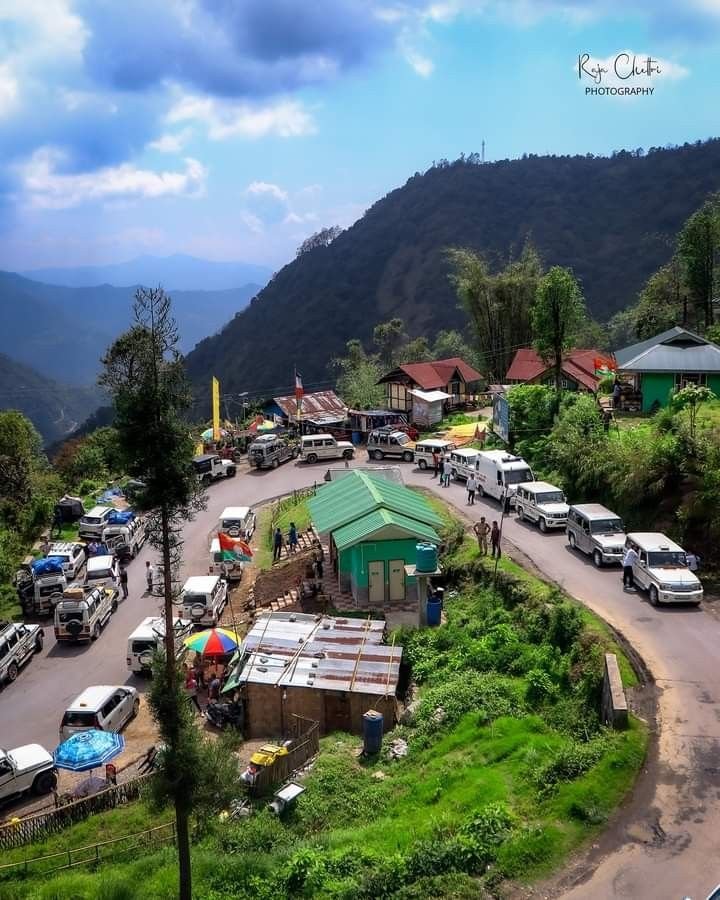
The Sikkim sustainable development model took the global stage as the state presented its innovative policies at the Northeast India Heritage Festival in Columbus, Ohio. The event highlighted Sikkim’s achievements in balancing economic growth, environmental conservation, and social equity, while promoting tourism and job creation.
Northeast India in the Global Spotlight
The Northeast India Heritage Festival is an annual cultural platform that connects India’s Northeast with international communities. This year’s edition in Columbus brought together policymakers, academics, and diaspora members to discuss cultural heritage, trade opportunities, and sustainable growth.
Sikkim’s presentation stood out for its focus on environmental awareness, green policies, and tourism-based employment. Officials described how the state integrates cultural preservation with modern development strategies.
Sikkim’s Sustainable Development Vision
Known as India’s first organic state, Sikkim has become a global model for sustainability. The government has banned chemical fertilizers, promoted eco-friendly farming, and invested in renewable energy.
At the Ohio festival, the delegation emphasized how these measures have created opportunities in eco-tourism and organic agriculture, drawing both domestic and international visitors. The Sikkim sustainable development model was praised for showing that small states can achieve global recognition by prioritizing green policies.
Promoting Tourism and Employment
Tourism remains one of Sikkim’s strongest economic sectors. By showcasing its heritage and natural beauty in Ohio, Sikkim aimed to attract interest from international travellers and investors.
Speakers noted that eco-tourism initiatives in the state provide thousands of jobs while preserving fragile ecosystems. Adventure tourism, homestays, and organic farm visits are among the innovative offerings that support both local communities and the environment.
Building Global Awareness on Sustainability
The Ohio event also served as a platform for environmental advocacy. Delegates highlighted Sikkim’s commitment to biodiversity conservation and waste management, urging global audiences to draw inspiration from the state’s policies.
Organisers stressed that the festival was not only about culture, but also about building long-term collaborations. By presenting the Sikkim sustainable development model, the state positioned itself as a partner in global sustainability conversations.
Voices from the Festival
At the Columbus gathering, participants applauded Sikkim’s initiatives. Cultural experts pointed out that Sikkim’s policies demonstrate how development can coexist with heritage preservation.
“Sikkim’s example is important because it shows that sustainable growth is possible without sacrificing cultural roots,” said one of the festival organisers. Community leaders from the Indian diaspora echoed the sentiment, saying the presentation created new avenues for collaboration in tourism and education.
Economic and Cultural Impact
The state’s participation in the festival is expected to have both economic and cultural benefits. By promoting its eco-tourism and organic farming sectors internationally, Sikkim may attract new investments, joint ventures, and visitors.
Moreover, the event helped strengthen cultural diplomacy. Presenting Northeast India’s traditions in Ohio allowed Sikkim to connect with diaspora communities while raising awareness of the region’s potential in global markets.
Strengthening Northeast India’s Global Profile
Sikkim’s participation also reinforced the broader goal of projecting Northeast India as a region of opportunity. The festival showcased diverse states, but Sikkim’s strong focus on sustainable development offered a unique narrative.
Experts believe that events like the Northeast India Heritage Festival can help bridge gaps between local economies and international markets. They also support India’s broader “Act East Policy,” which emphasizes connectivity and partnerships.
Sikkim Leads by Example
The Sikkim sustainable development model showcased at the Ohio festival sends a powerful message. By combining eco-tourism, employment generation, and environmental stewardship, Sikkim has positioned itself as a leader not just within India, but on the global stage.
As the world searches for ways to balance growth and sustainability, Sikkim’s journey offers valuable lessons. The state’s presence at the Northeast India Heritage Festival ensures that its voice will be part of the international dialogue on sustainable futures.
READ MORE: Mizoram Consumer Court Orders Rs 5 Lakh Payout