


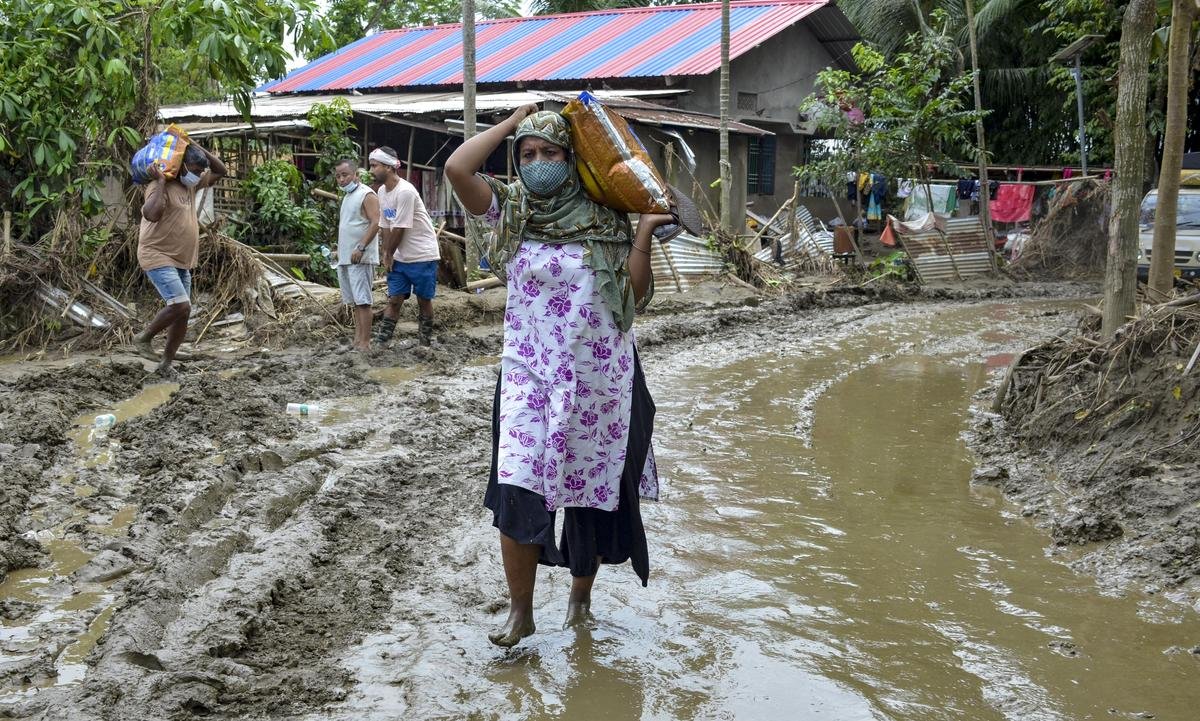
Assam’s flood crisis has taken a severe human toll, with Sivasagar and Charaideo reportedly accounting for a significant share of the state’s 95 flood-related fatalities. The concentration of deaths in the two districts has drawn renewed attention to local disaster preparedness, evacuation systems, relief operations, and flood-control infrastructure.
The reported figures highlight the uneven impact of the flooding across Assam. Moreover, communities in the affected districts continue to face displacement, damaged homes, disrupted transportation, and agricultural losses as authorities manage rescue and relief operations.
However, casualty figures can change as officials verify individual cases. Therefore, authorities and the public should rely on confirmed district-level data when assessing the scale and causes of the losses.
Sivasagar and Charaideo Face Heavy Losses
Sivasagar and Charaideo have emerged as major areas of concern during the Assam flood emergency.
The reported concentration of fatalities has increased scrutiny of conditions in the two districts. Furthermore, residents and political representatives may seek greater information about evacuation measures, emergency warnings, rescue operations, and access to safe shelters.
The figures have consequently placed local disaster management under greater attention.
However, a high casualty count alone cannot establish whether administrative failures caused individual deaths.
Assam’s Flood Death Toll Reaches 95
The reported statewide death toll of 95 demonstrates the severity of the current emergency.
Flooding can create multiple dangers, including rapidly rising water, strong currents, damaged roads, isolated settlements, and limited access to medical facilities. Additionally, displaced families can face prolonged disruption to their homes and livelihoods.
The rising toll has therefore increased pressure on authorities to strengthen emergency operations.
However, officials may revise casualty figures as verification continues.
Why Sivasagar Faces Greater Attention
Sivasagar has faced significant disruption during the flooding, with affected communities requiring emergency assistance.
Local authorities need to coordinate evacuation, relief camps, rescue teams, healthcare services, and essential supplies. Moreover, damaged roads and flooded areas can make it difficult to reach isolated settlements.
These challenges can increase the risks faced by vulnerable residents.
However, conditions can differ considerably between villages and affected areas within the district.
Charaideo Reports Significant Fatalities
Charaideo has also attracted attention because of its reported contribution to the statewide death toll.
Flooding can affect communities through water entering homes, disrupting transport, and isolating residents. Furthermore, agricultural areas can suffer extensive damage when floodwaters remain for prolonged periods.
Local authorities therefore face pressure to maintain effective rescue and relief arrangements.
However, the exact circumstances surrounding individual fatalities require official verification.
Evacuation Becomes a Critical Issue
Timely evacuation can reduce risks when water levels rise rapidly.
Authorities need reliable information about river levels, rainfall, vulnerable settlements, and road conditions. Additionally, residents need clear instructions about evacuation routes and available shelters.
Effective communication can provide communities with valuable time to move to safer locations.
However, rapidly changing flood conditions can make evacuation difficult in some areas.
Relief Camps Support Displaced Families
Many residents affected by severe flooding may depend on temporary shelters.
Relief camps need adequate food, clean drinking water, medicines, sanitation facilities, and safe accommodation. Moreover, officials must monitor vulnerable residents and ensure that supplies reach communities with limited access to normal services.
Effective relief operations can reduce hardship during displacement.
However, rising demand can put pressure on camp capacity and supplies.
Healthcare Access Remains Important
Flooding can disrupt access to hospitals and healthcare centres.
Residents may require emergency treatment, medicines, and medical assistance, while damaged roads can delay ambulances and healthcare teams. Furthermore, crowded shelters can create additional healthcare and sanitation challenges.
Authorities therefore need contingency arrangements for affected communities.
However, medical requirements vary according to local conditions.
Agriculture Suffers Major Damage
Sivasagar and Charaideo contain communities that depend heavily on agriculture and related activities.
Floodwaters can damage crops, livestock, agricultural equipment, and stored produce. Additionally, prolonged waterlogging can delay future cultivation and increase recovery costs.
Farmers may therefore require financial assistance and agricultural rehabilitation.
However, authorities need verified damage assessments before determining compensation.
Infrastructure Damage Complicates Response
Flooding can damage roads, bridges, drainage networks, and embankments.
When transport links become inaccessible, rescue teams can struggle to reach affected communities. Moreover, damaged infrastructure can delay the delivery of food, medicines, and other essential supplies.
Infrastructure resilience has consequently become part of the wider flood debate.
However, severe flooding can overwhelm infrastructure even when authorities maintain existing systems.
Political Scrutiny Intensifies
The concentration of reported fatalities has increased political attention on the two districts.
Opposition leaders may question disaster preparedness, relief distribution, infrastructure maintenance, and emergency spending. Furthermore, local representatives may demand explanations about evacuation and rescue operations.
The issue could remain politically significant during the recovery period.
However, political criticism does not by itself establish negligence or wrongdoing.
Government Faces Pressure to Explain Response
Authorities must provide accurate information about casualties, affected communities, rescue operations, and relief measures.
Clear communication can help families understand government assistance and available services. Additionally, transparent reporting can reduce confusion surrounding rapidly changing casualty figures.
The administration’s response will influence public confidence.
However, officials need time to verify information from affected areas before publishing final figures.
Embankments and Flood-Control Systems Under Focus
The crisis has renewed attention on flood-control infrastructure.
Authorities may need to inspect embankments, drainage channels, riverbanks, and vulnerable points in affected districts. Moreover, emergency repairs may become necessary where structures suffer damage.
Long-term maintenance can help reduce future flood risks.
However, infrastructure alone cannot eliminate the risks created by extreme rainfall and rapidly rising rivers.
Central and State Coordination Matters
Large-scale flooding can require cooperation between district, state, and central agencies.
National disaster-response teams can provide specialised personnel, rescue equipment, medical support, and logistics when necessary. Furthermore, central assistance can supplement state resources during major emergencies.
Such coordination can improve response capacity.
However, local administrations remain essential for identifying community needs and delivering relief.
Families Need Financial Support
Flood victims can face substantial economic losses after losing homes, crops, livestock, and personal belongings.
Authorities may provide eligible assistance following official damage assessments. Moreover, families affected by fatalities may require additional support during the recovery period.
Financial relief can help households rebuild.
However, compensation procedures depend on government guidelines and verified losses.
Long-Term Rehabilitation Will Be Necessary
The flood emergency will not end when water levels decline.
Families may need help repairing homes, restoring agricultural activity, replacing livestock, and returning to work. Additionally, authorities may need to repair roads, bridges, health centres, schools, and other public infrastructure.
Recovery could therefore take considerable time.
However, rehabilitation priorities will depend on the extent of damage in individual communities.
Lessons for Future Flood Preparedness
The reported fatalities can provide important lessons for Assam’s disaster-management planning.
Authorities may review early-warning systems, evacuation routes, relief shelters, emergency communications, and flood-control infrastructure. Furthermore, community-level preparedness can help residents respond more quickly when warnings arrive.
Such measures can reduce future risks.
However, long-term preparedness requires sustained investment and regular evaluation.
Conclusion
The reported 95 flood-related fatalities in Assam, with Sivasagar and Charaideo accounting for a significant share, have highlighted the severe impact of the current disaster. The concentration of deaths has increased attention on evacuation, emergency communication, healthcare access, relief operations, and flood-control infrastructure in the two districts.
Moreover, authorities must continue verifying casualty figures while providing immediate support to affected families. At the same time, political scrutiny is likely to continue as residents and opposition leaders seek greater accountability and stronger disaster preparedness.
Overall, the situation demonstrates the importance of coordinated action at the district, state, and national levels. Timely relief, transparent casualty reporting, infrastructure recovery, and stronger early-warning systems will remain essential as Sivasagar, Charaideo, and other affected parts of Assam move toward recovery.
FAQs
1. How many flood deaths have been reported in Assam?
The reported flood-related death toll referenced in this report has reached 95.
2. Which districts account for a significant share of the fatalities?
Sivasagar and Charaideo have reportedly recorded a significant proportion of the state’s flood-related fatalities.
3. Why are the two districts receiving attention?
The reported concentration of fatalities has raised concerns about evacuation, disaster preparedness, infrastructure, and emergency response.
4. What support do affected families need?
Families may require safe shelter, food, drinking water, healthcare, compensation, housing assistance, and livelihood rehabilitation.
5. What can Assam do to reduce future flood risks?
Authorities can strengthen early-warning systems, evacuation planning, embankment maintenance, drainage, emergency communication, and community preparedness.