


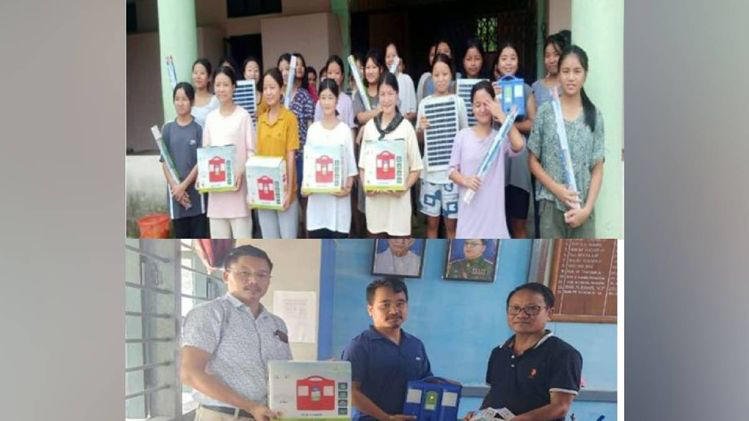
Changlang district in Arunachal Pradesh has taken a significant step towards improving the lives of its hostel students. The district administration recently installed solar lights in hostels, ensuring that students in remote and rural areas enjoy a safer and more conducive environment for learning. This move addresses long-standing concerns about unreliable electricity and limited evening study hours.
Addressing an Urgent Need
Many hostels in Changlang face frequent power outages, disrupting students’ ability to study after sunset. For years, inadequate lighting forced students to depend on dim kerosene lamps or candles, which posed health and safety hazards. The solar lights in hostels initiative has changed that reality, allowing students to extend their study time into the night without fear of accidents or poor visibility.
The project reflects the government’s focus on both renewable energy adoption and student welfare. By tapping into solar power, the administration not only guarantees a steady supply of light but also cuts down on recurring electricity costs.
Read More: Assam Launches Portal for Indigenous Arms Licence Applications
Solar Power Brings Multiple Benefits
The benefits of this initiative go far beyond lighting. Hostel wardens report that well-lit premises have improved overall safety. Students can now move around confidently at night, and security personnel have better visibility to monitor the surroundings.
Additionally, the adoption of solar lights in hostels reduces dependency on diesel generators, lowering the district’s carbon footprint. The project also encourages students to learn about renewable energy systems, fostering awareness about sustainable living.
How the Installation Was Carried Out
The installation drive began with a survey of all hostels in Changlang district. Teams from the renewable energy department worked alongside local contractors to identify rooftops suitable for solar panel placement. The lights were then strategically placed to cover study rooms, corridors, and hostel perimeters.
In most cases, each hostel received a set of rooftop solar panels linked to battery storage units. This ensures that lights remain operational even during cloudy days or extended periods without sunshine.
Student Voices Reflect Positive Change
The most powerful endorsements for the scheme come from the students themselves. “Earlier, we had to stop studying when the power went out,” said one Class 10 student. “Now, thanks to the solar lights in hostels, we can prepare for our exams without worrying about darkness.”
Parents have also expressed relief, knowing their children are studying and living in safer conditions. Many say they feel more confident about sending their children to hostels now that lighting is consistent and reliable.
Strengthening Educational Outcomes
Lighting might seem like a small detail, but for students in rural Arunachal, it can determine academic success. Teachers in Changlang note that students are more alert in morning classes, suggesting that extended evening study sessions are paying off. Some hostels have even begun holding extra group study hours after dinner.
The initiative aligns with the state’s broader mission to improve infrastructure in educational institutions, particularly in underserved districts. By combining welfare measures with renewable technology, the district administration has set an example that other regions can follow.
A Step Towards Sustainable Development
This project reinforces the importance of linking welfare with sustainability. The use of solar energy ensures that the benefits will continue without placing extra strain on the state’s power grid. Maintenance costs are minimal, and solar panels are expected to last for years with basic upkeep.
The success of solar lights in hostels could inspire similar projects for other public facilities in remote areas, such as healthcare centres and community halls.
Looking Ahead
District officials have hinted at expanding the scheme to cover additional hostels and even day-schools in rural pockets. Plans are underway to integrate solar-powered fans and water heaters in the next phase, further improving living conditions for hostel residents.
The Changlang initiative shows that when technology, governance, and community needs align, the results can be transformative. Students not only gain better academic opportunities but also grow up in an environment that values renewable energy and sustainability.
Read More: India’s Mountain Miracle – BRO Pushes Ahead With High-Altitude Road