


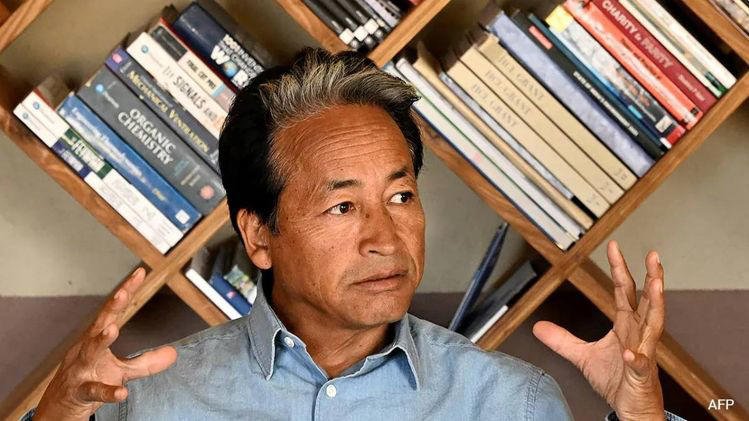
Climate activist and educationist Sonam Wangchuk has appealed to President Droupadi Murmu to intervene in the controversy surrounding the proposed Siang mega dam in Arunachal Pradesh. He has raised concerns over the treatment of indigenous communities opposing the project. He also highlighted growing tensions in the Siang Valley, including alleged police excesses, arrests and heavy security deployment.
In a letter dated November 3, 2026, Wangchuk urged the President to protect the rights of local residents. He stressed the need for peaceful dialogue before authorities take further steps towards the proposed project. His appeal has brought fresh attention to the debate over development, environmental protection and indigenous rights in India’s northeastern border regions.
Sonam Wangchuk Raises Concerns Over the Siang Mega Dam Project
The proposed Siang Upper Multipurpose Project (SUMP) has become a major subject of debate in Arunachal Pradesh. The ambitious hydropower project carries a planned capacity of 11,200 megawatts (MW). However, sections of the local population, particularly members of the Adi community, strongly oppose the proposal.
Many residents fear that the project could affect their ancestral lands, traditional livelihoods and cultural identity. They also worry about the long-term environmental consequences of constructing a massive dam in the ecologically sensitive Himalayan region.
In his appeal, Wangchuk asked President Murmu to examine the situation carefully. He argued that development should not come at the cost of local communities and their fundamental rights. He also emphasised that authorities must consult affected residents before making decisions that could permanently change their lives.
Allegations of Heavy Security Deployment and Police Excesses
One of the major concerns in Wangchuk’s letter involves the security situation in the Siang Valley. He alleged that authorities had deployed thousands of security personnel in the region amid growing opposition to the project.
Wangchuk also raised concerns about the arrest of young protesters and restrictions on villagers’ movement. Furthermore, he referred to allegations of intimidation and police excesses involving local residents, including elderly people.
He questioned the practice of branding protesters as anti-national or foreign-funded. According to him, citizens have every right to question government policies and express disagreement through peaceful demonstrations.
Wangchuk argued that peaceful opposition does not amount to disloyalty towards the country. Instead, democratic institutions should encourage public participation and address genuine concerns through discussion.
Adi Community’s Cultural Connection With the Siang River
Wangchuk also highlighted the deep cultural connection between the Adi community and the Siang River. The community affectionately calls the river ‘Aane Siang’, which means ‘Mother Siang’.
For generations, the river has shaped the community’s traditions, identity and everyday life. Local residents consider it much more than a natural resource. It represents their heritage, livelihood and spiritual connection with the land.
Wangchuk compared this relationship with the emotional connection that people in Ladakh share with their mountains, rivers and glaciers. He suggested that authorities must recognise these cultural relationships while planning large infrastructure projects.
He warned that a project of this scale could disrupt traditional livelihoods and damage the natural environment. Therefore, he urged the government to respect indigenous voices and recognise their role in protecting the region’s natural resources.
Environmental Risks and Concerns Over Himalayan Ecology
Environmental protection forms another important part of Wangchuk’s appeal. The Himalayan region remains highly vulnerable to earthquakes, landslides, floods and other natural disasters. Large infrastructure projects in such areas require detailed scientific assessments.
Wangchuk referred to the devastating glacial lake outburst flood in Sikkim’s Teesta basin. The disaster highlighted the serious risks that environmental changes and fragile mountain ecosystems can create for nearby communities.
He argued that authorities must carefully examine the geological and seismic conditions of the Siang Valley before considering a project of this magnitude.
The proposed dam could also affect river ecosystems, biodiversity and communities that depend on the Siang River. Wangchuk stressed that environmental assessments should consider long-term consequences rather than focus only on electricity generation and economic benefits.
He further linked environmental protection with national security. According to him, local communities play an important role in safeguarding India’s sensitive border regions. Their cooperation and trust remain essential for maintaining stability in these areas.
Four Major Demands in Wangchuk’s Appeal to President Murmu
Wangchuk placed four major demands before President Droupadi Murmu. Through these requests, he sought immediate intervention to reduce tensions and protect the rights of affected residents.
First, he urged the authorities to withdraw excessive security forces from civilian areas of the Siang Valley. He argued that residents should enjoy normal daily life without unnecessary pressure.
Second, he called for the release of individuals detained for peaceful protests. He also demanded the withdrawal of criminal cases against those who exercised their democratic right to express opposition.
Third, Wangchuk sought an independent investigation into allegations of police excesses and mistreatment of villagers. He stressed the importance of accountability and justice.
Finally, he urged the government to suspend coercive measures and irreversible project-related activities. He called for meaningful consultations with indigenous communities and a comprehensive assessment of the project’s environmental, geological, seismic and social impact.
Arunachal Pradesh Government’s Position on the Proposed Dam
Meanwhile, Arunachal Pradesh Chief Minister Pema Khandu has clarified that the state government and the Centre have not taken a final decision on constructing the proposed mega dam.
According to the Chief Minister, the current exercise focuses on preparing a pre-feasibility report. This stage will help authorities examine the project’s potential and determine whether it can move forward.
The government has also highlighted the importance of transparency and public consultation. It maintains that authorities should consider the concerns of affected communities before making any final decision.
However, the administration has also stressed that peaceful protests must not turn into violence or vandalism. This position comes amid continuing opposition from sections of the Adi community, who fear displacement and damage to their ancestral lands.
China Factor Adds Strategic Importance to the Siang Project
The proposed Siang mega dam also carries significant strategic importance for India. China’s plans for a major hydropower project on the upper reaches of the Yarlung Tsangpo River in Tibet have added another dimension to the debate.
The river enters India as the Siang in Arunachal Pradesh before flowing into Assam, where it becomes the Brahmaputra. Any major development upstream could raise concerns about water security and India’s interests in the region.
India’s proposed project has therefore attracted attention from both environmental and strategic perspectives. However, local communities continue to demand clear answers about its possible impact on their homes, livelihoods and natural surroundings.
Development, Indigenous Rights and the Road Ahead
The controversy surrounding the Siang Upper Multipurpose Project highlights the challenges of balancing national development with environmental responsibility and indigenous rights.
Wangchuk’s appeal has brought the concerns of the Siang Valley’s residents to a wider national audience. His demands focus on peaceful engagement, accountability and respect for local communities.
As the debate continues, the government faces the challenge of building trust among residents while addressing India’s energy and strategic interests. Meaningful consultations and transparent environmental assessments could play an important role in resolving the dispute.
Ultimately, the future of the proposed Siang mega dam will depend not only on its economic and strategic benefits but also on how effectively authorities address the concerns of the people who call the valley home.