


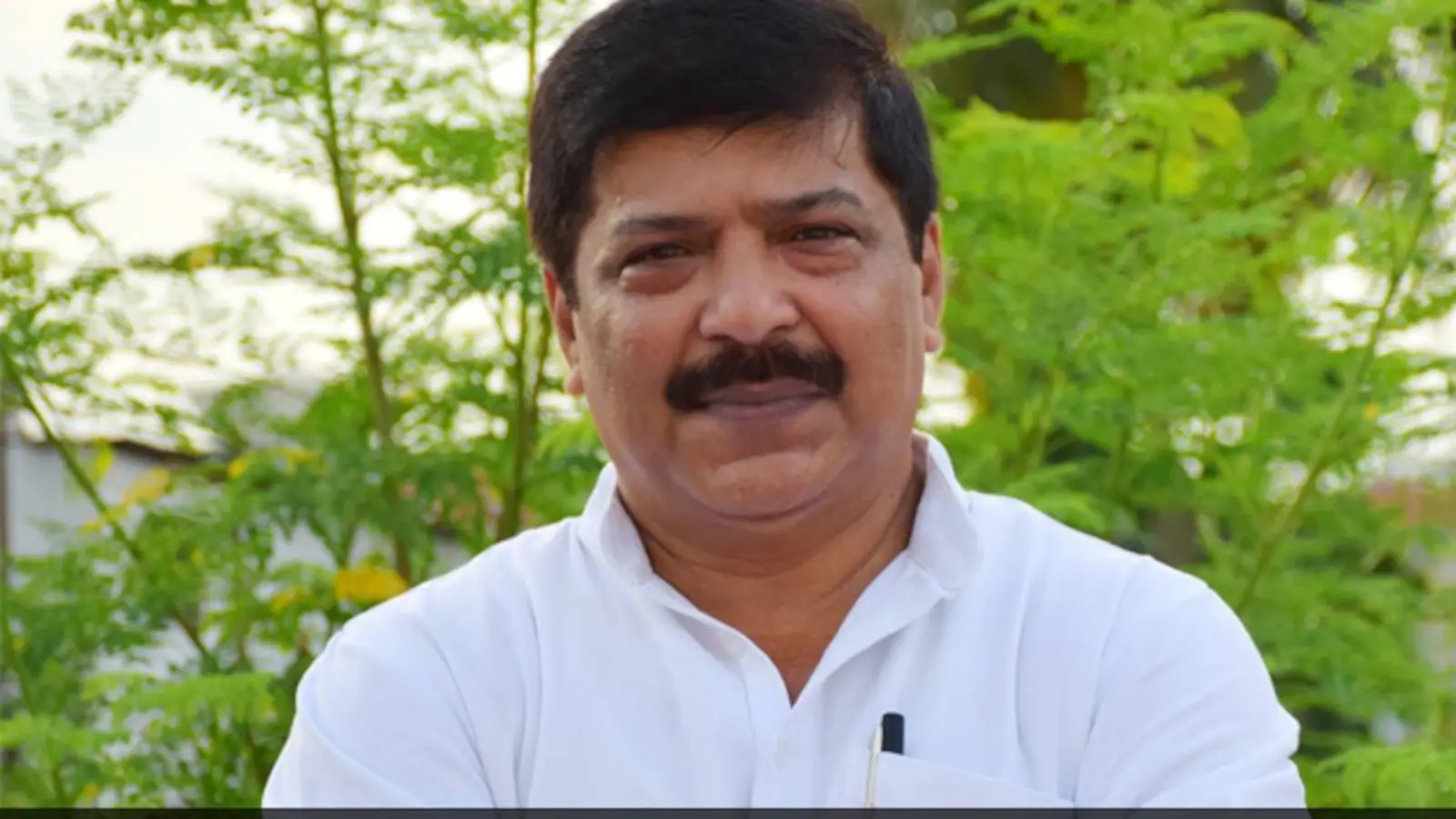
Congress MLA Sudip Roy Barman has challenged the BJP’s presentation of the recent Tripura village committee election outcome as a sweeping NDA victory. The Sudip Roy Barman criticism came after the final TTAADC Village Committee results showed Tipra Motha winning 3,428 of 4,594 declared seats. Roy Barman argued that the individual party figures provide a different picture from the combined NDA tally highlighted by the BJP. He also described Tipra Motha as the clear winner of the grassroots election.
Meghalaya Launches Conservation Project With 161 Camera Traps to Monitor Small Wild Cats
Sudip Roy Barman Criticism Targets NDA Victory Narrative
The Sudip Roy Barman criticism centres on how the ruling alliance has presented the final Village Committee results. Roy Barman said the BJP was emphasising the combined NDA figure rather than its own seat tally after the results were declared.
According to the final results, Tipra Motha won 3,428 of the 4,594 seats with declared outcomes. The BJP secured 859 seats, while CPI(M) won 87. Independents took 173 seats, IPFT secured 33 and Congress won 14. Three seats remained vacant from the original 4,597-seat structure.
Roy Barman argued that these figures should be discussed separately rather than presented only through the combined NDA total. In his assessment, Tipra Motha clearly emerged as the principal winner of the election.
He specifically pointed to the contrast between Tipra Motha’s 74.62 percent share and the BJP’s 18.7 percent share of the declared seats. Roy Barman said the BJP was using the NDA label to avoid highlighting the difference between the two alliance partners.
The Congress MLA also questioned plans for victory celebrations by the BJP and IPFT in Agartala. He argued that their combined individual share did not justify presenting the result as though BJP and IPFT themselves had achieved the dominant outcome.
At the same time, Roy Barman said Congress would not diminish the achievements of any party that won seats. He congratulated the successful candidates while continuing to challenge the political interpretation being placed on the overall results.
Sudip Roy Barman Criticism Highlights Tipra Motha’s Lead
The Sudip Roy Barman criticism also places Tipra Motha’s performance at the centre of the post-election political debate. The regional party won more than three times as many declared seats as the BJP.
Tipra Motha’s 3,428 seats include victories from both uncontested outcomes and direct contests. The final State Election Commission figures show that 2,950 seats went to direct contests across 420 Village Committees. Tipra Motha won 1,867 of those contested seats, compared with 778 for the BJP.
Those figures are important because they demonstrate that Tipra Motha’s overall lead was not based entirely on uncontested victories. The party also maintained a substantial advantage in constituencies where voters directly chose between competing candidates.
Meanwhile, the BJP’s 778 contested victories gave it a significant second-place position. However, Tipra Motha won more than twice the number of contested seats secured by the BJP.
CPI(M) won 86 of the directly contested seats, while Independents secured 172. IPFT won 33 and Congress secured 14. These figures show a fragmented field outside the two largest parties.
The final outcome therefore gives Tipra Motha a particularly strong grassroots position. Its 3,428-seat tally also reinforces the importance of the party within the broader political arrangement involving the BJP.
Roy Barman’s comments consequently focus attention on the difference between an alliance-level result and an individual party-level result. Both figures can be accurate, but they describe different aspects of the election.
Sudip Roy Barman Criticism Comes After Final Results
The Sudip Roy Barman criticism followed the completion of counting across the TTAADC Village Committee election. The State Election Commission’s final report confirmed that counting had concluded across all 44 R.D. Blocks and that no counting remained pending.
The election covered 587 Village Committees, 2,634 constituencies and 4,597 seats. However, 1,644 seats had been declared uncontested, while three seats remained vacant. Consequently, the final declared tally covered 4,594 seats.
Polling for the contested seats took place on September 28. The election recorded an 81.01 percent turnout, with 5,33,242 of 6,58,247 registered voters participating. Women voters also recorded a higher turnout than men.
The election attracted considerable attention because Village Committee polls had not been held for around a decade. Their return created an important grassroots test for the major political parties operating across the TTAADC areas.
Counting day, however, witnessed tension at several locations. Reports referred to protests, road blockades and confrontations around some counting centres. Separate reports also recorded a death following violence near a counting centre in Khowai, while political parties raised competing allegations about the circumstances.
Despite those developments, the commission completed the counting process and released the final figures. The results subsequently became the basis for competing political interpretations from the ruling alliance and opposition parties.
Roy Barman’s comments therefore arrived at a point when parties were already attempting to define what the election meant for Tripura’s wider political landscape.
Sudip Roy Barman Criticism Reflects Congress Strategy
The Sudip Roy Barman criticism also comes alongside Congress efforts to reassess its position in Tripura’s tribal areas. Roy Barman described the party’s performance as disappointing in numerical terms but also identified what he called a possible starting point for building an independent political base.
He said Congress had historically faced difficulties in ADC areas because it depended on regional and alliance partners. According to Roy Barman, the party had worked with different regional organisations over the years rather than developing a strong independent presence across the tribal belt.
The Congress leader said some Congress-backed Independent candidates performed better than expected. While the official immediate tally for Congress stood at 14 seats, he claimed around 20 to 22 Congress-backed Independents could eventually join the party.
That claim should be distinguished from the official election tally. The State Election Commission figures reported 14 seats for Congress and 173 for Independents. Therefore, any future movement of Independent representatives into Congress would represent a subsequent political development rather than a change to the declared election results.
Roy Barman also congratulated Tipra Motha for its strong performance. His comments indicate that Congress recognises the regional party’s electoral strength in the TTAADC areas even while challenging the BJP’s interpretation of the alliance result.
The Congress MLA’s assessment also fits into his broader emphasis on organisational improvement. Before the Village Committee election, he had called for Congress workers to identify organisational weaknesses and strengthen the party’s grassroots network.
For Congress, the immediate challenge is therefore not only to criticise the BJP’s narrative but also to build a stronger presence in areas where its electoral representation remains limited.
Conclusion
The Sudip Roy Barman criticism has added a new dimension to the political debate following Tripura’s TTAADC Village Committee results. Roy Barman argues that the BJP’s emphasis on the combined NDA tally obscures the much larger individual performance of Tipra Motha.
The official results show Tipra Motha with 3,428 seats, compared with 859 for the BJP, 87 for CPI(M), 173 for Independents, 33 for IPFT and 14 for Congress. At the alliance level, BJP, Tipra Motha and IPFT together account for 4,320 declared seats, but the individual figures reveal a clear difference in their grassroots strength.
The debate now moves beyond the numbers towards the political consequences of the result. Tipra Motha has secured a dominant grassroots position, while the BJP retains a substantial second-place presence. Congress, meanwhile, faces the task of strengthening its organisation and electoral base across Tripura’s tribal areas.
FAQs
What is the Sudip Roy Barman criticism about?
The Sudip Roy Barman criticism concerns the BJP’s presentation of the TTAADC Village Committee result as an NDA-wide victory. Roy Barman argued that the individual party tallies should receive greater attention because Tipra Motha won far more seats than the BJP.
How many seats did Tipra Motha win?
Tipra Motha won 3,428 of the 4,594 seats for which final results were declared. It also won 1,867 of the 2,950 seats that went to direct contests.
How many seats did the BJP secure?
The BJP secured 859 seats in the final TTAADC Village Committee results. It won 778 of the 2,950 directly contested seats.
What was Sudip Roy Barman’s assessment of Tipra Motha?
Roy Barman congratulated Tipra Motha and described its performance as the dominant outcome of the election. He said Tipra Motha had won approximately 74.62 percent of the declared seats.
How did Congress perform in the final results?
Congress officially secured 14 seats in the final Village Committee results. Roy Barman nevertheless said Congress-backed Independent candidates had performed better than expected and suggested that some could subsequently join the party.