


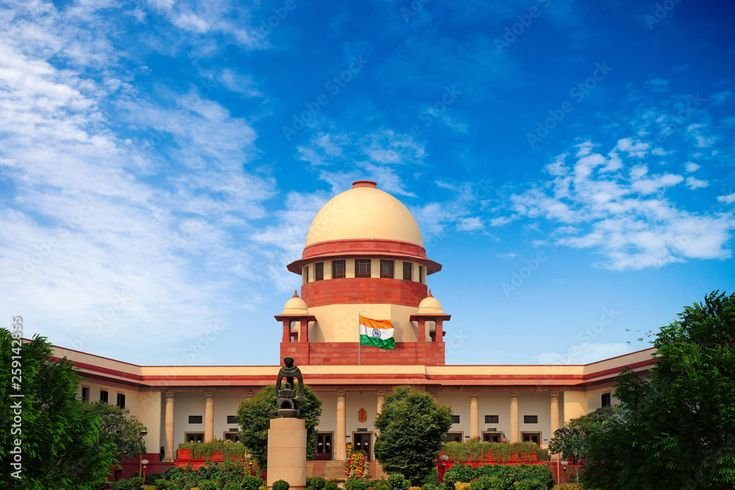
The Supreme Court NIA Kuki-Zo fake encounter case has reignited tensions in Manipur, where allegations of extra-judicial killings continue to haunt communities. On November 25, 2025, the apex court directed the National Investigation Agency (NIA) to submit a detailed status report on the deaths of 10 Kuki-Zo individuals allegedly killed in a fake encounter at a CRPF camp in Jiribam district.
Background of the Case
The incident dates back to November 11, 2024, when security personnel allegedly opened fire, killing 10 people. Families of the victims insist the deceased were innocent civilians, not militants, and accuse authorities of staging a fake encounter.
- The victims belonged to the minority Kuki-Zo community, already vulnerable amid ethnic strife in Manipur.
- Petitioners argued they could not approach the Manipur High Court due to safety concerns, citing hostility from majority groups.
- The Supreme Court bench, led by Chief Justice Surya Kant, issued notices to both the NIA and the Manipur government, demanding accountability.
Supreme Court’s Directive
The court emphasized transparency, stating:
“Issue notice for the limited purpose of finding out the outcome of the ongoing investigation by the National Investigation Agency, returnable on 12.01.2026.”
This directive underscores the judiciary’s role in ensuring justice in sensitive cases where trust in local institutions is fragile.
Why the Case is Sensitive
The Supreme Court NIA Kuki-Zo fake encounter case touches on multiple fault lines in Manipur:
- Ethnic Tensions: The Kuki-Zo community has faced violence and displacement during recent conflicts.
- Human Rights Concerns: Allegations of extra-judicial killings raise questions about rule of law.
- Trust Deficit: Many citizens feel marginalized and fear biased investigations.
These factors make the case not just a legal matter but a test of India’s commitment to justice and minority rights.
Government and NIA Response
While the Manipur government previously claimed the victims were suspected militants, the NIA has been tasked with conducting an impartial probe. The Supreme Court’s demand for a status report signals impatience with delays and a push for clarity.
Critics argue that without strict oversight, investigations risk being compromised. Activists call for independent monitoring and community participation to rebuild trust.
Broader Implications
The case has national resonance:
- Legal Precedent: It could shape how courts handle allegations of fake encounters across India.
- Political Impact: The issue may influence upcoming elections in Manipur, where ethnic relations are central.
- Human Rights Advocacy: Groups across India are watching closely, urging stronger safeguards against abuse of power.
Justice for Kuki-Zo Families
The Supreme Court NIA Kuki-Zo fake encounter case is more than a headline—it is a plea for justice. Citizens, activists, and policymakers must:
- Demand transparency in NIA’s investigation.
- Support victims’ families in their pursuit of justice.
- Advocate for stronger safeguards against extra-judicial killings.
READ MORE: Tripura Employment Guarantee Protests Demand Better Schemes
The Supreme Court NIA Kuki-Zo fake encounter case highlights the fragile balance between security and justice in Manipur. By seeking a status report, the apex court has signaled its commitment to transparency and accountability. For the Kuki-Zo families, this is not just a legal battle—it is a fight for dignity, recognition, and truth.
Until justice is delivered, the case will remain a sensitive flashpoint, reminding India of the urgent need to protect minority rights and uphold the rule of law.