


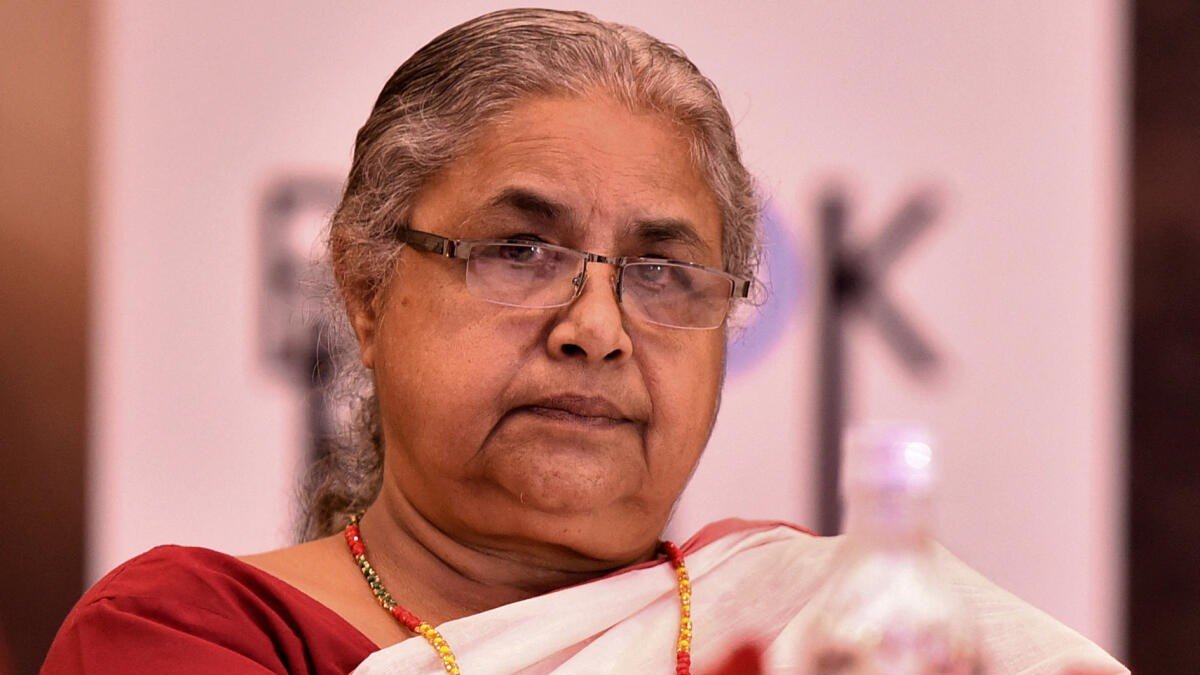
Nepal’s former Chief Justice Sushila Karki will take charge as the country’s interim prime minister. She will be sworn in at 9 pm, sources confirmed, ending days of intense speculation over who would lead the Himalayan nation through its deepening political crisis.
Her appointment comes amid escalating unrest and widespread protests that forced former Prime Minister KP Sharma Oli to resign. The decision signals a move to bring a neutral leadership figure to stabilize the country and oversee the transition period.
Political Turmoil Sparks Leadership Change
Nepal has been in turmoil following violent demonstrations over corruption allegations, a controversial social media ban, and accusations of mismanagement. The protests, which began earlier this month, quickly spread across major cities, leading to chaos and attacks on political figures.
The resignation of Oli, who had faced mounting criticism, left a leadership vacuum. Intense negotiations between political parties, the president, and the army followed. Karki’s selection reflects a consensus to bring in a leader seen as independent and capable of steering Nepal toward stability.
Who Is Sushila Karki?
Sushila Karki, 73, is a trailblazer in Nepal’s judiciary, having served as the country’s first female Chief Justice in 2016. Her appointment to the Supreme Court’s top post marked a turning point in Nepal’s judicial history. Known for her integrity and strong stance on judicial independence, Karki retired in 2017.
Her legal career earned her respect across the political spectrum, making her a strong candidate to lead an interim administration. Many see her as a figure who can restore trust in governance and oversee fair elections.
The Role of the Interim Government
The interim government under Karki is expected to focus on restoring law and order, addressing public grievances, and preparing for fresh elections. Security forces remain deployed in key areas after violent protests left over 50 people dead and dozens injured.
The administration will also prioritize rebuilding confidence in state institutions. Analysts say Karki’s leadership could help bridge political divides and calm tensions.
Public Reactions and Expectations
Citizens across Nepal expressed cautious optimism following the announcement. Many hope Karki’s non-political background will ensure impartial decision-making. Protesters have called for systemic reforms, demanding accountability from leaders accused of corruption.
Social media users, who played a crucial role in mobilizing demonstrations, welcomed Karki’s appointment as a “ray of hope.” However, they warned that symbolic leadership changes must be followed by concrete actions to address deep-rooted issues.
Regional and International Attention
The political crisis in Nepal has drawn international attention, with neighboring countries closely monitoring developments. India and China, both of which share close ties with Nepal, have urged for stability and dialogue. Also, global organizations have expressed concern over human rights violations and urged the new administration to prioritize peace and justice.
Nepal’s leadership change also holds significance for South Asia’s regional stability, given the country’s strategic location and history of political upheavals.
Next Steps for Nepal
Karki’s oath-taking ceremony is scheduled for tonight at the presidential residence in Kathmandu. Additionally, she is expected to announce a small, non-political cabinet within the coming days. Discussions are ongoing to finalize a timeline for elections.
The interim administration will face immediate challenges, including rebuilding damaged infrastructure, addressing economic losses from the unrest, and rebuilding confidence in governance. Analysts say Karki’s tenure will be a critical test for Nepal’s democratic resilience.
Call for Unity and Stability
As the nation prepares for this historic transition, Karki’s appointment marks a pivotal moment in Nepal’s democratic journey. Her leadership will be closely watched by citizens and the global community.
The move reflects a growing demand for transparency, accountability, and reform. Observers say that Karki’s success will depend on cooperation from all political parties, civic groups, and the international community.
Nepal’s political future now rests on the ability of its leaders to restore peace and address the grievances that sparked this crisis.