


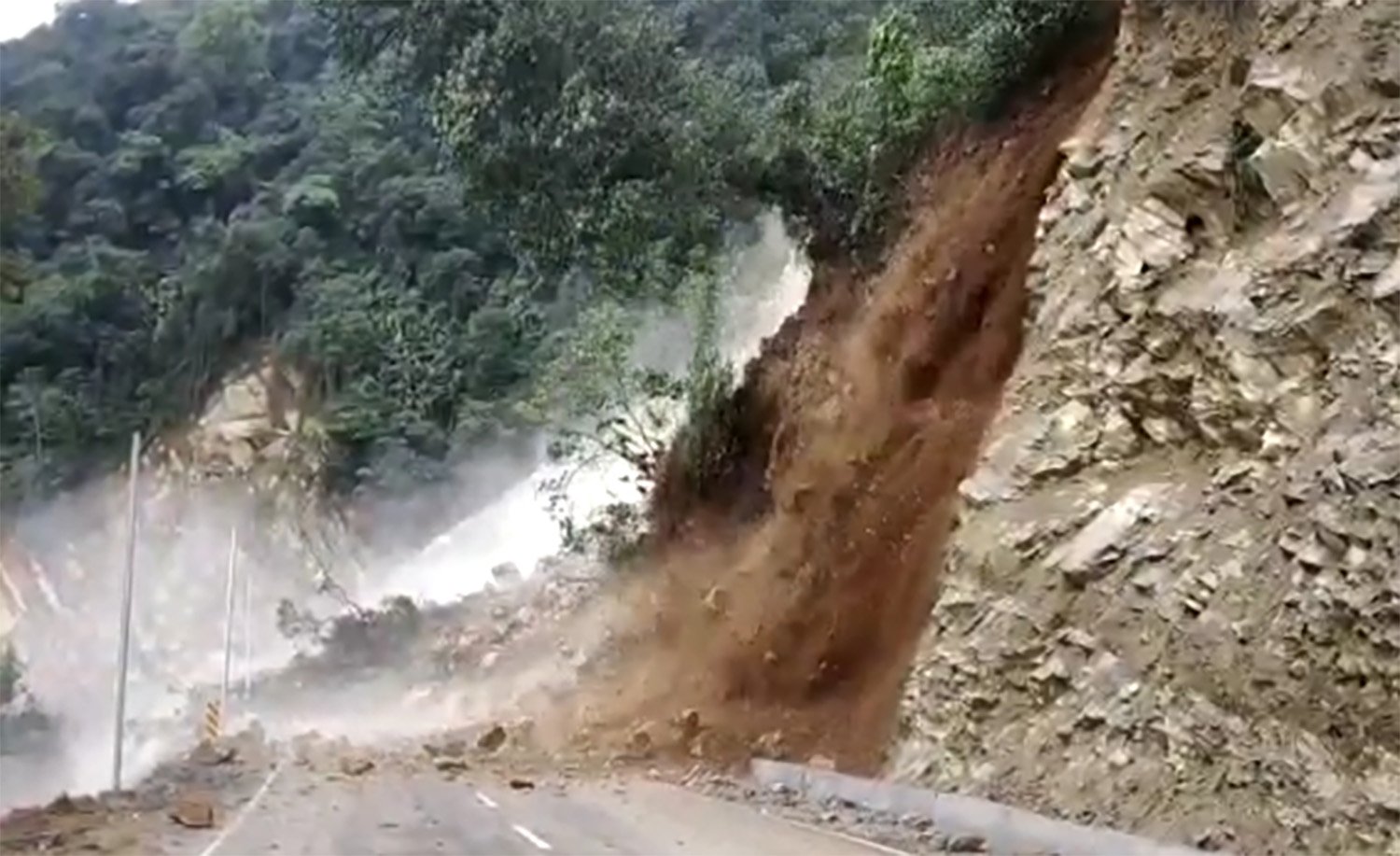
The Tawang landslide road restoration effort restored connectivity after landslides temporarily cut off road access to the border district of Tawang in Arunachal Pradesh. Continuous monsoon rainfall triggered slope failures that blocked key road sections with mud, rocks, and debris. The disruption affected civilian travel and the movement of essential supplies. However, military engineers quickly launched clearance operations and reopened the route after removing the obstruction. Authorities continue monitoring vulnerable stretches as fresh rainfall may trigger additional landslides during the active monsoon season.
Landslide fatalities Claims Casualties In Arunachal Pradesh
Manipur Police Arrest Four Insurgents, Including KCP Chairman, in Multi-District Security Operations
Landslides Block Key Border Route
The Tawang landslide road restoration began after heavy rainfall triggered landslides along the highway leading to the border district. Consequently, large amounts of mud and rocks covered the roadway and halted vehicle movement. Local authorities immediately alerted emergency agencies and deployed response teams to assess the situation.
Meanwhile, officials inspected nearby slopes to identify additional risks before allowing clearance work to begin. They also issued travel advisories and urged motorists to avoid the affected route until conditions improved. Furthermore, weather officials continued tracking rainfall because further showers could increase the risk of fresh landslides.
Although the disruption lasted only briefly, authorities treated the incident as a high-priority emergency because the route serves as a critical transport corridor.
Military Engineers Restore Connectivity
The Tawang landslide road restoration gained momentum after military engineers deployed heavy machinery and specialized equipment to remove debris from the blocked highway. They cleared mud, rocks, and fallen trees while ensuring the route remained safe for traffic. As a result, officials restored road connectivity within a short period.
Meanwhile, engineering teams inspected the surrounding hillside for unstable sections before reopening the highway. Local administrations also coordinated with security agencies to regulate traffic until normal movement resumed. In addition, authorities continued monitoring the cleared area to prevent further disruptions.
Officials praised the rapid response because it minimized travel delays and ensured uninterrupted access to the strategically important border district.
Authorities Strengthen Landslide Monitoring
The Tawang landslide road restoration has prompted authorities to increase surveillance across landslide-prone road sections in Arunachal Pradesh. Engineers continue inspecting vulnerable slopes and drainage systems to reduce the risk of future blockages. At the same time, disaster management teams remain ready to respond if fresh landslides occur.
Furthermore, officials have advised travelers to monitor weather updates and follow official road advisories before beginning their journeys. Emergency personnel also continue reviewing rainfall forecasts to identify areas that may require additional monitoring.
Authorities believe proactive inspections and rapid response will improve road safety throughout the monsoon season.
Preparedness Remains Essential
The Tawang landslide road restoration highlights the importance of maintaining resilient transport infrastructure in mountainous regions. Heavy rainfall can quickly trigger slope failures and disrupt connectivity to remote border districts. Therefore, authorities continue strengthening emergency preparedness, improving slope monitoring, and enhancing road maintenance across vulnerable areas.
Moreover, experts recommend regular geological inspections, efficient drainage management, and timely debris removal to reduce landslide risks. Officials also plan to maintain close coordination between engineering teams, disaster management agencies, and local administrations throughout the rainy season.
Conclusion
The Tawang landslide road restoration demonstrates the effectiveness of rapid emergency response after landslides temporarily isolated the border district. Military engineers quickly cleared debris, restored road connectivity, and reduced disruptions for residents and essential services. Meanwhile, authorities continue monitoring vulnerable highways and strengthening preparedness as monsoon rainfall keeps the risk of additional landslides high. Continued vigilance and coordinated action will remain vital for ensuring safe transportation across Arunachal Pradesh.
FAQs
1. What caused the temporary road closure to Tawang?
Heavy monsoon rainfall triggered landslides that blocked key road sections with mud and rocks.
2. Who restored the road connectivity?
Military engineers cleared the debris and reopened the highway for traffic.
3. What is the Tawang landslide road restoration?
The Tawang landslide road restoration refers to the successful clearance of landslide debris that restored road access to the border district.
4. Why is the Tawang route important?
The highway supports civilian travel, supplies, and connectivity to the strategically important border district.
5. What precautions are authorities taking now?
Officials are monitoring vulnerable slopes, inspecting drainage systems, and issuing travel advisories.
6. Could more landslides occur during the monsoon?
Yes. Continued rainfall may trigger additional slope failures in mountainous areas.