


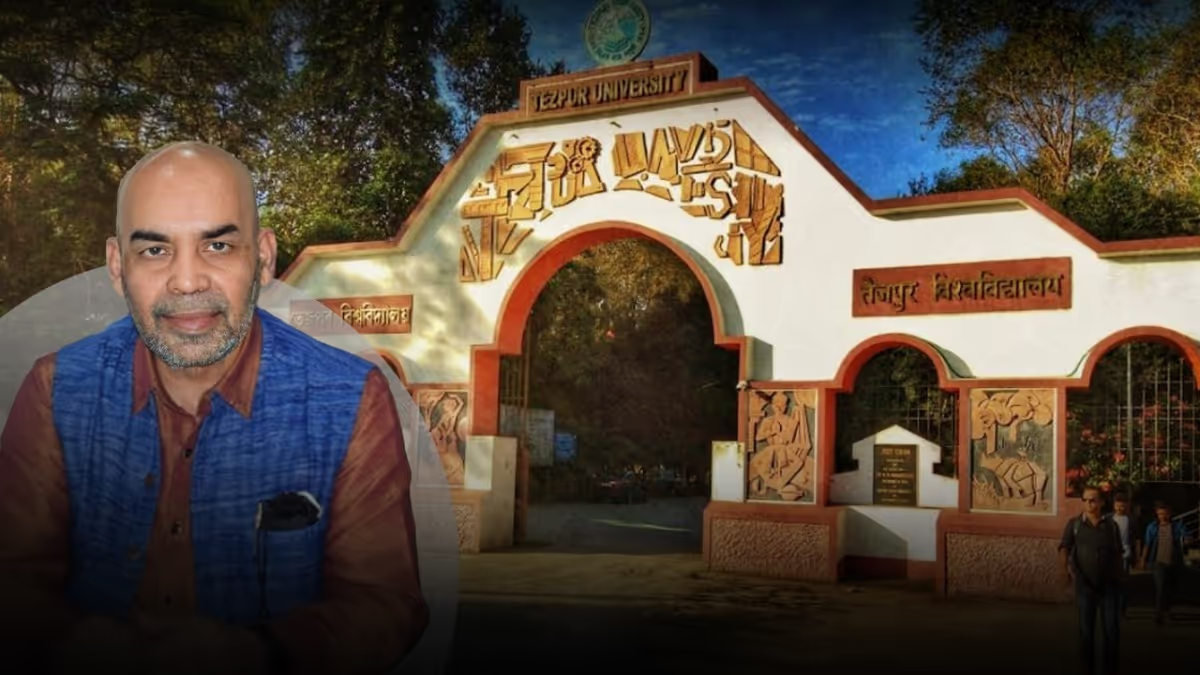
Tezpur University, a Central University established under the Assam Accord, is facing an unprecedented breakdown in academic and administrative functioning. Allegations of corruption, absentee leadership, and misgovernance against Vice-Chancellor (VC) Neeraj Verma have triggered months of protests. With the Union Ministry of Education yet to announce any inquiry, the crisis has deepened, leaving students and faculty in a state of uncertainty.
Campus Paralysed by Protests
The unrest began months ago when student organisations started raising concerns about the VC’s prolonged absence from campus. According to students, the Vice-Chancellor has frequently remained away from Tezpur for long durations, leaving critical decisions pending. The lack of timely administrative action stalled examinations, delayed academic approvals, and disrupted research timelines.
Faculty members have echoed similar concerns. Several departments reported that proposals requiring urgent clearance remained untouched for weeks. As protests intensified, classroom attendance dropped, and essential services like laboratory operations and library management slowed down significantly.
Allegations of Corruption and Misgovernance
Stakeholder groups, including student unions and faculty associations, have accused the Vice-Chancellor of opaque decision-making and irregular financial practices. They allege that the administration bypassed established procedures in procurement and allocation of funds. Some faculty members claim that serious complaints submitted through official channels have gone unanswered.
While the administration has rejected all accusations, stating that financial procedures are fully compliant, stakeholders insist on an independent investigation. Their demand for transparency has become a core component of the ongoing agitation.
Centre’s Silence Raises Criticism
What has alarmed many is the continued silence from New Delhi. Despite repeated appeals from students, teachers, and civil society groups, the Union Ministry of Education has not issued any statement addressing the crisis. No fact-finding committee or inquiry panel has been appointed till date.
Observers say the lack of intervention is unusual for a Central University facing prolonged disruption. Critics argue that the Modi government’s delay in addressing the situation reflects a failure of academic oversight. For a university created as a result of the historic Assam Accord, this silence is especially concerning for the region’s academic community.
Students and Faculty Bear the Consequences
The impact on students is severe. Many final-year students fear delays in receiving their degrees due to postponed examinations and incomplete evaluations. Research scholars worry that external funding may be affected if administrative stagnation continues.
Faculty members also express concern about the decline in academic productivity. Several ongoing projects require interdepartmental approvals that remain stuck at the Vice-Chancellor’s office. The absence of a functioning decision-making mechanism is affecting collaborations with national institutions and foreign partners.
Administration Defends Its Position
Meanwhile, the university administration maintains that the campus is operating normally. In several statements, the office of the Vice-Chancellor dismissed the allegations as “politically motivated” and insisted that all activities are progressing as per schedule. Officials claim that academic disruptions are minimal and exaggerated by protest groups.
However, multiple student bodies counter this narrative. They argue that the administration’s claims are inconsistent with on-ground realities, where classes remain irregular and services under strain.
Civil Society and Alumni Step In
As the crisis continued, civil society organisations in Assam began issuing public statements urging the Centre to intervene. Alumni groups, many of whom hold influential academic positions in India and abroad, have expressed concern over the university’s deteriorating reputation.
Activists highlight that Tezpur University has long been a symbol of educational progress in Assam. They argue that the decline of a Central University with such historical significance must not be ignored.
What Happens Next?
With the winter academic cycle underway, stakeholders are waiting for a decisive response from the Ministry of Education. Many believe that a fact-finding committee or interim administrative intervention may be the only way to restore normalcy.
Until then, the campus remains in turmoil. Students continue peaceful protests, faculty members push for institutional accountability, and the administration stands firm in its defence. The future of Tezpur University now hinges on whether the central government chooses to respond—or continues to remain silent.