


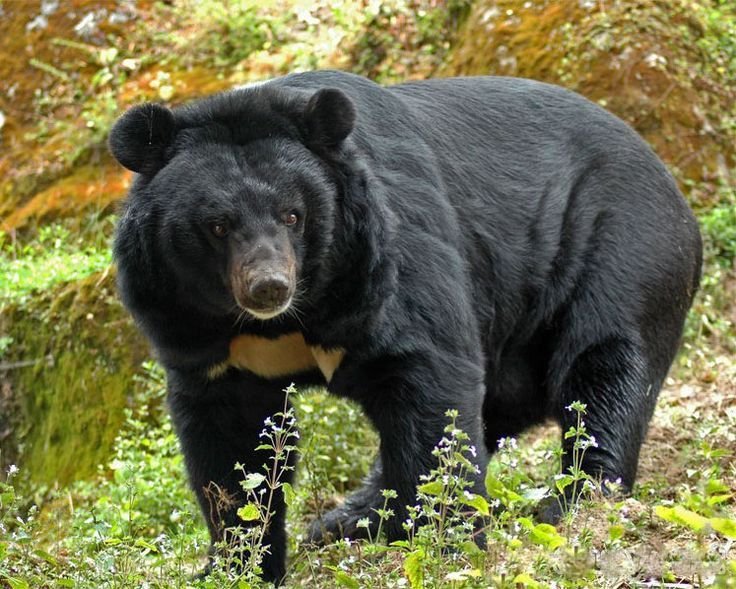
The rich biodiversity of Manipur is under threat as environmentalists raise alarms over the declining populations of three bear species in Manipur at risk of extinction. These species—the Himalayan black bear, sloth bear, and sun bear—are facing severe threats from habitat destruction, poaching, and human-wildlife conflict. Conservationists emphasize that urgent and sustained efforts are crucial to prevent these majestic animals from vanishing from the region forever.
The Three Bear Species in Manipur Facing Extinction Threat
Manipur, known for its lush forests and unique wildlife, is home to three notable bear species that play vital ecological roles. However, these species are now struggling for survival due to increasing anthropogenic pressures.
Himalayan Black Bear: The Vulnerable Forest Dweller
The Himalayan black bear inhabits dense forests in Manipur, where it disperses seeds and helps maintain ecological balance. However, deforestation and expanding human settlements have reduced its territory significantly. Additionally, poachers target this bear for its body parts used in traditional medicine. Therefore, conservationists emphasize the urgent need to protect its habitat and stop illegal hunting.
Sloth Bear: The Insect-Eating Mammal in Decline
The sloth bear (Melursus ursinus), easily recognized by its shaggy fur and distinct snout, is a unique insectivore native to the Indian subcontinent. Unlike other bears, the sloth bear mainly feeds on ants and termites. Despite this unique diet, it cannot escape threats from habitat loss and human-bear conflicts. For instance, crop raids often lead to retaliatory killings by farmers. Hence, increasing awareness among local communities has become crucial to ensure their protection.
Sun Bear: The Smallest Bear at High Risk
The sun bear (Helarctos malayanus) is the smallest of the bear species and is found in tropical forests of Southeast Asia, including parts of northeastern India. Known for its distinctive chest patch and sharp claws, the sun bear is crucial for maintaining forest health through seed dispersal.
Though data on its population in Manipur is limited, studies indicate that sun bears face serious threats from deforestation, poaching, and illegal pet trade. The IUCN lists sun bears as Vulnerable, with populations declining rapidly across their range.
Major Threats to Bear Species in Manipur
Habitat Loss and Fragmentation
The single biggest threat facing these three bear species in Manipur is habitat loss. Rapid deforestation driven by logging, agricultural expansion, and infrastructure development has fragmented the once-continuous forests. Fragmentation isolates bear populations, making it difficult for them to find food, mates, and safe shelter.
Poaching and Illegal Wildlife Trade
Poaching remains a serious challenge. Bears are hunted for their bile, claws, and other body parts, which are in demand in traditional medicine markets. This illegal trade directly reduces population numbers and disrupts breeding.
Human-Wildlife Conflict
As bears lose their natural habitats, they increasingly come into contact with human settlements. Crop raids, livestock predation, and occasional attacks cause fear and resentment among locals, leading to retaliatory killings of bears.
Conservation Efforts Underway
Recognizing the urgent need to protect these vulnerable species, the Manipur Forest Department and various environmental organizations have launched several initiatives.
Community Awareness Programs
In July 2025, a bear conservation awareness program was held in Tamenglong district’s Phelong village. The program aimed to educate local communities about the ecological importance of bears and encouraged villagers to become “Bear Guardians,” promoting peaceful coexistence.
Rescue and Rehabilitation
In June 2025, two Himalayan black bear cubs rescued from a remote village were transferred to the Manipur Zoological Garden. The zoo plans to rehabilitate them and release them back into the wild once they are ready, setting a precedent for animal welfare efforts in the region.
Habitat Restoration and Anti-Poaching Measures
Authorities have intensified habitat restoration projects and increased patrols to combat poaching. Partnerships with NGOs focus on improving monitoring and rapid response to wildlife crime.
How You Can Help Save Manipur’s Bears
The survival of these three bear species in Manipur at risk of extinction depends on collective action. Here’s how individuals and communities can contribute:
- Support Conservation Groups: Donate or volunteer with local wildlife organizations working on bear conservation.
- Promote Awareness: Share information about the importance of bears and the threats they face on social media.
- Report Illegal Activities: If you witness poaching or illegal trade, report it to authorities immediately.
- Advocate for Policies: Encourage policymakers to strengthen wildlife protection laws and invest in sustainable forest management.
- Practice Eco-Friendly Living: Minimize your ecological footprint to help preserve natural habitats.
The Road Ahead: Balancing Development and Conservation
Manipur is at a critical crossroads. While economic growth and infrastructure development are necessary, they must be balanced with ecological preservation. Protecting the three bear species in Manipur at risk of extinction requires a multi-faceted approach—one that integrates scientific research, community participation, policy enforcement, and sustainable development.
Act Now to Save Manipur’s Bear Species
The three bear species in Manipur at risk of extinction symbolize the fragility of the state’s natural heritage. They also represent a vital link in the forest ecosystem that supports countless other life forms.
Without immediate and coordinated conservation efforts, these majestic bears may disappear forever from Manipur’s wild landscapes. It is time for everyone—governments, communities, and individuals—to act decisively.
Join the movement to protect Manipur’s bears. Support conservation, spread awareness, and advocate for sustainable policies today!
READ MORE: PRIME Meghalaya Youth Entrepreneurship initiative in Shillong