


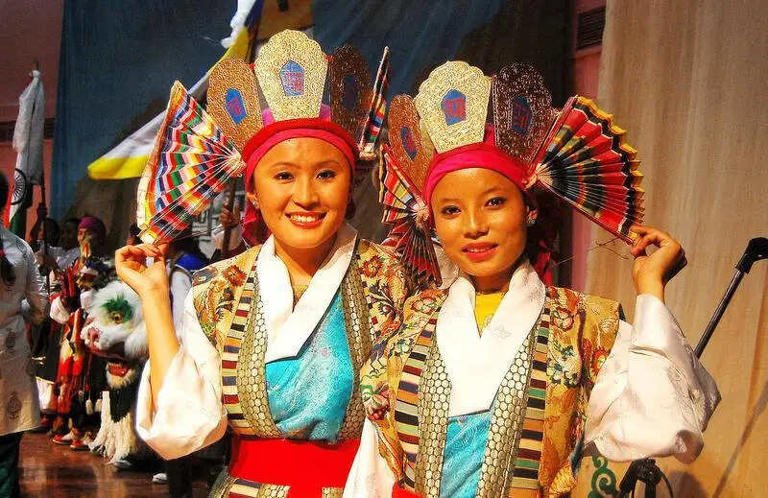
The admission of Monpa students to a Tibetan cultural institute marks a historic milestone. For the first time, 12 students from the Monpa community of Arunachal Pradesh have secured entry into a reputed Tibetan institution.
This development has generated excitement among educators and cultural experts. It reflects growing efforts to preserve and promote shared heritage between Himalayan communities. As a result, the initiative carries both educational and cultural significance.
Officials described the move as a step toward strengthening ties. It also opens new learning opportunities for students from remote regions.
The initiative highlights the importance of inclusivity in education. It aims to provide equal access to quality learning for all communities.
Read More: PM Modi to inaugurate HPCL refinery in Rajasthan on April 21
Focus on preserving shared cultural heritage
The Monpa students Tibetan institute admission also focuses on cultural preservation. The Monpa community shares deep historical and cultural links with Tibetan traditions. Therefore, the programme offers a meaningful platform for learning.
Students will study language, history, and cultural practices. These subjects will help them understand their roots better. At the same time, they will gain formal education.
Experts believe such initiatives help protect endangered traditions. They encourage younger generations to stay connected with their heritage. This connection remains vital in a rapidly changing world.
Institutions involved in the programme have emphasised cultural exchange. They aim to create an environment where traditions can thrive.
Educational opportunities expand for Monpa community
The admission of Monpa students from Arunachal Pradesh opens new doors. Students from remote areas often face limited access to quality education. This initiative addresses that gap.
The selected students will receive structured academic training. They will also gain exposure to diverse perspectives. This experience can shape their future careers.
Authorities have highlighted the importance of such opportunities. They believe education can empower communities. It can also improve socio-economic conditions.
Parents and community leaders have welcomed the move. They see it as a chance for growth and development.
Selection process ensures merit and inclusivity
The selection of the 12 students followed a structured process. Authorities ensured that the process remained fair and transparent. Merit and eligibility formed the key criteria.
At the same time, efforts were made to maintain inclusivity. Students from different backgrounds within the community received equal consideration. This approach reflects balanced representation.
Officials have stated that the process may expand in the future. More students could benefit if the programme proves successful. Therefore, the initiative holds long-term potential.
The selection process also involved coordination between institutions. This coordination ensured smooth execution.
Strengthening ties between regions and institutions
The Monpa students Tibetan institute admission strengthens ties between regions. It promotes cooperation between institutions in the Himalayan belt. Such collaboration benefits both sides.
Educational partnerships can lead to more programmes in the future. They can also support research and cultural exchange. This potential adds value to the initiative.
Experts believe such efforts can improve regional integration. They create platforms for dialogue and understanding. Therefore, the impact extends beyond education.
Authorities have expressed interest in expanding collaborations. They aim to build long-term partnerships.
Community response remains positive
The response from the Monpa community has been overwhelmingly positive. Families have expressed pride in the selected students. They see this as a moment of achievement.
Community leaders have also supported the initiative. They have emphasised the importance of education and cultural preservation. Their support has strengthened the programme.
Students themselves have shown enthusiasm. They look forward to new learning experiences. This positive outlook adds energy to the initiative.
Local organisations have also praised the move. They believe it will inspire more students to pursue education.
Future prospects and expansion plans
Authorities have hinted at future expansion of the programme. If successful, more students from Arunachal Pradesh may get similar opportunities. This expansion can increase impact.
Plans may include additional courses and training modules. These programmes can cover both academic and cultural subjects. As a result, students can gain holistic education.
Experts have suggested integrating modern skills with traditional learning. This approach can prepare students for global challenges. It also ensures cultural continuity.
The initiative may also attract support from other institutions. Such partnerships can strengthen the programme further.
Conclusion
The Monpa students Tibetan institute admission marks a significant milestone in education and cultural exchange. The inclusion of 12 students from Arunachal Pradesh reflects a progressive step.
The initiative promotes both learning and heritage preservation. It creates opportunities for communities that often face challenges in access to education.
As the programme develops, it may inspire similar efforts across regions. Its success can lead to wider collaboration and growth.
Ultimately, the initiative highlights the power of education in building bridges. It strengthens cultural ties while shaping a better future for young learners.
Read More: Sikkim Launches Call of the Himalaya Trek to Boost Tourism