


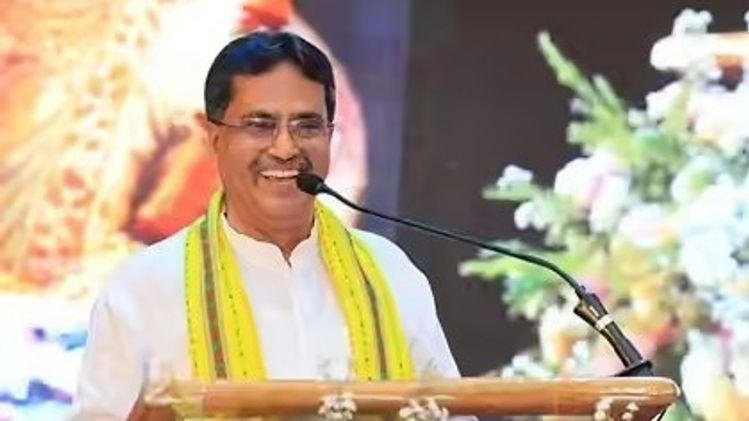
Tripura Chief Minister Manik Saha has indicated a major political shift in the state’s autonomous district council, asserting that the exit of Tipra Motha Party from power appears certain. He also expressed confidence that the Bharatiya Janata Party will soon form the government in the Tripura Tribal Areas Autonomous District Council (TTAADC).
The statement marks a significant development in Tripura’s political landscape, especially in the tribal council areas where Tipra Motha has held considerable influence over the past few years. The chief minister’s remarks come amid ongoing political realignments and growing speculation about changes in leadership within the council.
Read More: Manik Saha Accuses Pradyot of Delhi Visit to ‘Ally, Loot’ Tribal Funds
Political Shift in TTAADC
The Tripura Tribal Areas Autonomous District Council plays a crucial role in governance for indigenous communities across the state. Tipra Motha, led by Pradyot Bikram Manikya Debbarma, had secured a decisive victory in previous council elections, positioning itself as a dominant regional force.
However, recent political developments suggest a weakening of its hold. According to Chief Minister Manik Saha, internal challenges and shifting alliances have contributed to the current situation. He hinted that several members are reconsidering their positions, which could ultimately lead to a change in power.
The BJP, which has been actively working to expand its influence in tribal regions, appears poised to capitalize on the situation. The party has intensified its outreach efforts, focusing on development initiatives and governance reforms to strengthen its appeal among voters in the council areas.
BJP’s Strategy to Gain Control
The BJP’s strategy in Tripura has centered on consolidating its base across both urban and rural constituencies. In recent years, the party has made significant inroads into tribal regions, traditionally dominated by regional parties like Tipra Motha.
Chief Minister Manik Saha emphasized that the BJP’s governance model and commitment to development have resonated with people across communities. He noted that the party’s policies aim to ensure inclusive growth, particularly in areas under the autonomous council.
Moreover, BJP leaders have been engaging with local representatives and community leaders to build consensus and strengthen organizational networks. This approach has reportedly helped the party gain traction within the council, setting the stage for a potential takeover.
Implications for Tipra Motha
For Tipra Motha, the current developments pose a serious political challenge. The party emerged as a powerful voice for indigenous rights, advocating for greater autonomy and recognition of tribal identity. Its rise was seen as a reflection of growing aspirations among tribal communities in Tripura.
However, the possibility of losing control of the district council could impact its political momentum. Analysts believe that internal divisions and external pressures may have weakened the party’s position, making it vulnerable to political shifts.
Despite this, Tipra Motha leaders have maintained that they remain committed to their core agenda. They have also expressed confidence in their support base, suggesting that any setback in the council will not diminish their broader political influence.
Reactions from Political Circles
The chief minister’s statement has triggered varied reactions across political circles in Tripura. BJP supporters have welcomed the development, viewing it as a step toward stable governance in the council. They argue that a BJP-led administration would ensure better coordination between the state government and the autonomous body.
On the other hand, opposition parties have raised concerns about the implications of such a shift. Some leaders have questioned the circumstances leading to the anticipated change, calling for transparency in the political process.
Meanwhile, Tipra Motha supporters have urged the party leadership to remain united and address internal issues. They believe that strong leadership and clear communication can help the party navigate the current challenges.
Focus on Development and Governance
Chief Minister Manik Saha reiterated that the primary focus of his government remains development and good governance. He stated that the BJP is committed to improving infrastructure, healthcare, education, and employment opportunities in the tribal areas.
He also highlighted ongoing projects and initiatives aimed at enhancing the quality of life for residents of the autonomous district council. According to him, a stable and cooperative administration in the council is essential for the effective implementation of these programs.
The chief minister’s remarks suggest that the BJP is positioning itself as a party capable of delivering results, particularly in regions that have historically faced developmental challenges.
What Lies Ahead
As political developments continue to unfold, the situation in the Tripura Tribal Areas Autonomous District Council remains dynamic. The possibility of Tipra Motha’s exit and the BJP’s rise to power could reshape the political landscape of the state.
Observers note that the coming days will be crucial in determining the outcome. Factors such as party unity, leadership decisions, and public perception will play a key role in shaping the future of the council.
For now, Chief Minister Manik Saha’s assertion has added momentum to the narrative of change, signaling a potential shift in power that could have far-reaching implications for Tripura’s politics and governance.
Read More: Assam Voting 2026: What to Expect, Stakes and Result Updates